GM Bets on China’s CATL to Keep Its EV Dreams Alive

General Motors is turning to Chinese battery giant CATL for help powering its next-generation Chevrolet Bolt, according to The Wall Street Journal. The move—described by insiders as a temporary fix—will keep the new Bolt on schedule while GM races to spin up its own U.S.-based battery production with LG Energy Solution.

Despite steep tariffs on Chinese imports imposed by the Trump administration, GM will source lithium iron phosphate (LFP) batteries from CATL for roughly two years, starting with the Bolt’s relaunch out of its Fairfax, Kansas plant in late 2025. LFP batteries, cheaper and less prone to fire than traditional nickel-based chemistries, are key to GM’s strategy of delivering a sub-$30,000 EV without bleeding cash.

But the optics are complicated. GM has spent billions promoting its Ultium battery platform and domestic supply chain plans. Importing batteries from China, even temporarily, raises eyebrows as the U.S. attempts to disentangle itself from Chinese control over critical minerals—especially those like lithium, graphite, and rare earths that are central to EV production.

Ford, meanwhile, is also leveraging CATL tech to bring down battery costs, highlighting the impossible bind American automakers find themselves in: tariffs on one side, a Chinese cost advantage on the other, and a still-nascent domestic minerals pipeline in between.

The CATL deal underscores the persistent vulnerability of Western automakers to China’s dominance in battery materials and technology. While GM insists its long-term battery plans are red-white-and-blue, this short-term import fix speaks volumes about just how long the domestic energy transition runway really is.

For now, GM’s most affordable EV will carry a Chinese powertrain under the hood—whether Washington likes it or not.

By Julianne Geiger for Oilprice.com

More Top Reads From Oilprice.com


  • Related Posts

    North Sea Crude Soars to Record High as Hormuz Shock Rips Through Spot Markets

    Brent futures may have sunk below $100 per barrel after the U.S.-Iran ceasefire was announced, but constraints are intensifying amid the supply shock, with the physical price of a key…

    Europe’s Russian LNG Reliance Surges Ahead of 2027 Ban

    The European Union bought 97% of the liquefied natural gas produced at Novatek’s Yamal LNG facility over the first quarter of the year, raising certain questions about the pending ban…

    Have You Seen?

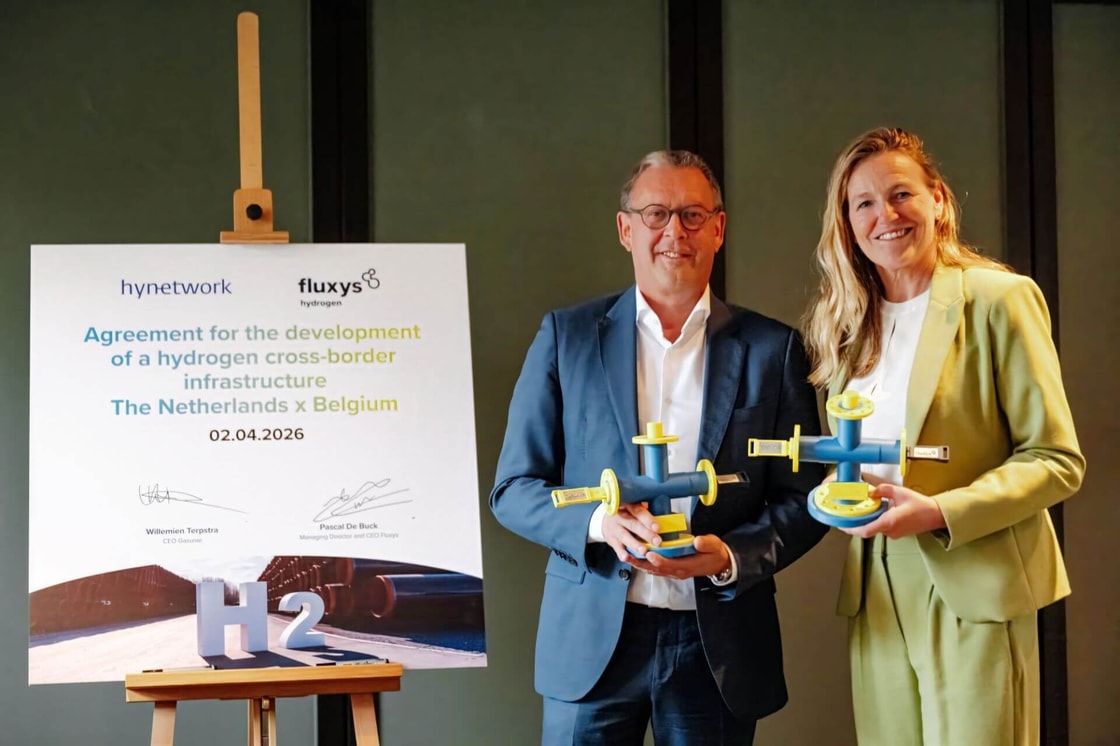
    Dutch and Belgian hydrogen pipelines to be connected near Antwerp

    • April 10, 2026
    Dutch and Belgian hydrogen pipelines to be connected near Antwerp

    Oil Set for Largest Weekly Loss in 10 months After Ceasefire

    • April 10, 2026
    Oil Set for Largest Weekly Loss in 10 months After Ceasefire

    Japan to Release More Oil Amid Supply Crunch

    • April 10, 2026
    Japan to Release More Oil Amid Supply Crunch

    Europe’s Russian LNG Reliance Surges Ahead of 2027 Ban

    • April 10, 2026
    Europe’s Russian LNG Reliance Surges Ahead of 2027 Ban

    North Sea Crude Soars to Record High as Hormuz Shock Rips Through Spot Markets

    • April 10, 2026
    North Sea Crude Soars to Record High as Hormuz Shock Rips Through Spot Markets

    eFuels SEA launches Southeast Asia platform for electrofuel projects

    • April 10, 2026
    eFuels SEA launches Southeast Asia platform for electrofuel projects

    Toyota Supplier JTEKT Installs Large Solar Carport In Japan Under 20-Year PPA To Boost Clean Energy Transition

    • April 10, 2026
    Toyota Supplier JTEKT Installs Large Solar Carport In Japan Under 20-Year PPA To Boost Clean Energy Transition

    Consortium targets Nordic-Baltic green hydrogen supply for Germany

    • April 10, 2026
    Consortium targets Nordic-Baltic green hydrogen supply for Germany

    South Africa’s Renewable Energy Sector Expands Strongly In 2025 With Rising Capacity And Socio-Economic Impact

    • April 10, 2026
    South Africa’s Renewable Energy Sector Expands Strongly In 2025 With Rising Capacity And Socio-Economic Impact

    Iberdrola Moves Closer To Full Control Of Neoenergia With 14.2% Stake Acquisition In Brazil

    • April 10, 2026
    Iberdrola Moves Closer To Full Control Of Neoenergia With 14.2% Stake Acquisition In Brazil