By
House Republicans are proposing to eliminate a tax credit for electric vehicles and phase out incentives to develop clean-energy projects to help pay for President Donald Trump’s massive tax package.
The incentives put in place by former President Joe Biden’s signature climate law have been ripe targets for lawmakers looking for trillions of dollars to help pay for extending Trump’s tax cuts. The president himself has had a bullseye on them, deriding them as part of the “green new scam.”
But the draft legislation released Monday by House tax writers may not be as bad for producers of clean electricity from sources such as solar and wind, who feared a more aggressive phase out. First Solar Inc., the largest US solar manufacturer, rose 11% on Monday. Sunrun Inc., the largest US residential solar company, rose nearly 17%.
“The proposal is mostly a win for US solar manufacturers and developers,” said Rob Barnett, senior analyst at Bloomberg Intelligence. “The fear is that the investment and production tax credits could have been gutted sooner.”
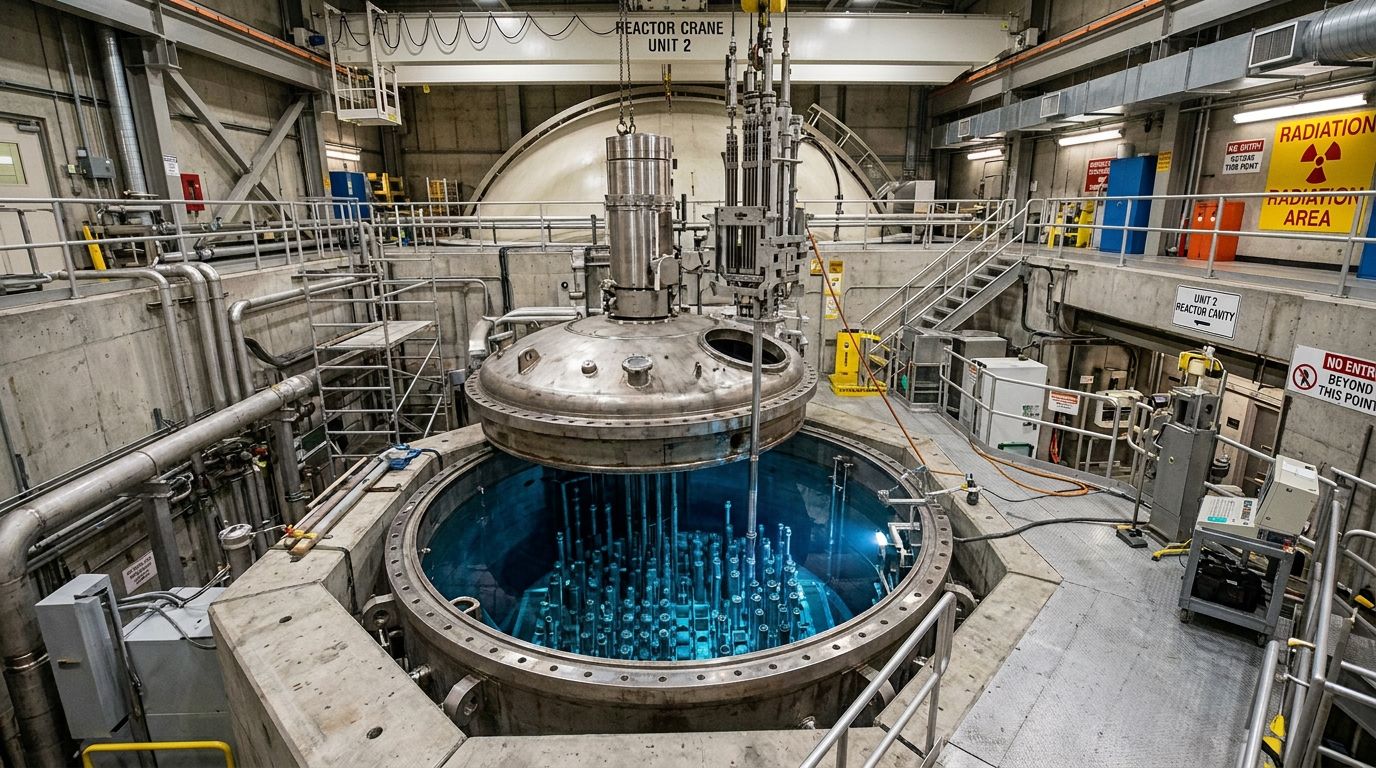
In the Republicans’ proposal, popular production and investment tax credits for clean electricity would be phased out by the end of 2031 and new requirements against using materials from certain foreign nations would be added. Under the climate bill passed by Democrats in 2022, those credits weren’t set to expire until the later part of 2032 or until until carbon emissions from the US electricity sector decline to at least 75% below 2022 levels, which analysts said would take decades. A tax credit for the production of nuclear energy would also be phased out by 2031 in the Republican plan.
House Republicans opted to keep other credits, such as an incentive for carbon capture that provides as much as $85 a ton and extended by four years an incentive that provides a per-gallon credit for makers of biofuels and other so-called clean transportation fuels based on the intensity of carbon production.
Read More:
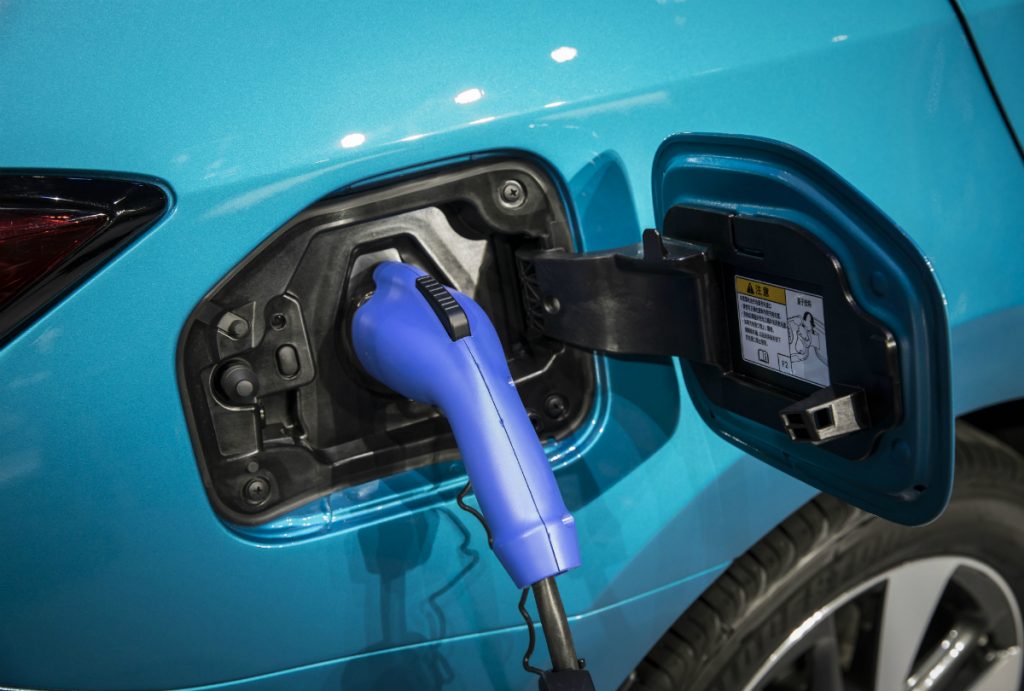
Other credits would be fully repealed. Under the Republicans’ proposal, a popular consumer tax credit of up to $7,500 for the purchase of an electric vehicle would be fully eliminated by the end of 2026, and only manufactures that have sold fewer than 200,000 electric vehicles by the end of this year would would be eligible to receive it in 2026, according to bill text. Tax incentives for the purchase of commercial electric vehicles and used electric vehicles would also be repealed, as well as a clean energy credit for homeowners that has benefited the residential solar market.
The electric vehicle incentive was expanded in Democrats’ Inflation Reduction Act. Its cost is projected to balloon from an initial estimate of $12.5 billion made by the Congressional Budget Office in 2022. An analysis by consulting firm Capital Alpha Partners in March said the credit’s 10-year cost could total more than $200 billion.
Republicans are also proposing to eliminate a tax credit that provides as much as $3-per-kilogram for the production of hydrogen, a clean-burning fuel seen as critical for decarbonizing steel, cement and heavy transportation. Companies such as FuelCell Energy Inc. and hydrogen producer Plug Power Inc. have been closely watching the credits.
In addition, Republicans proposed repealing tax credit “transferability,” which allows a project sponsor to sell tax credits to a third party, for several of the credits, starting two years after the legislation becomes law.
The legislation, which is set to receive a key vote by the House Ways and Means Committee later this week, is likely to be changed in the Senate.
— With assistance from Mark Chediak
(Updates with company reaction in third paragraph, analyst comment in fourth, additional details throughout)
Share This:
More News Articles