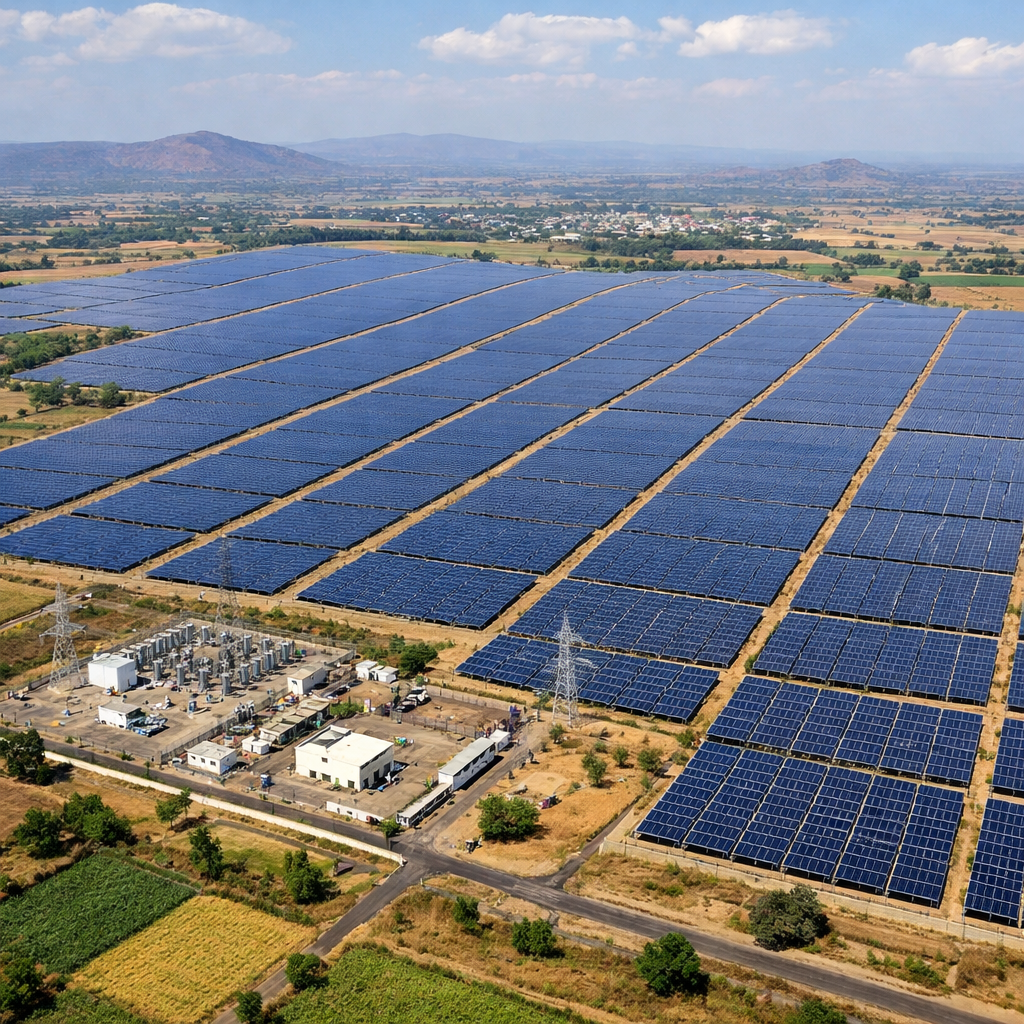
The fourth round of the Green Energy Auction Program (GEA-4) in the Philippines is set to add 8 GW of renewable energy capacity between 2026 and 2029. This initiative supports the country’s goal of achieving 50% renewable energy in the power mix by 2040. The auction process ensures transparency and competitiveness under the Green Energy Tariff Program (GETP), with measures in place to guarantee financial and technical credibility for participating projects.
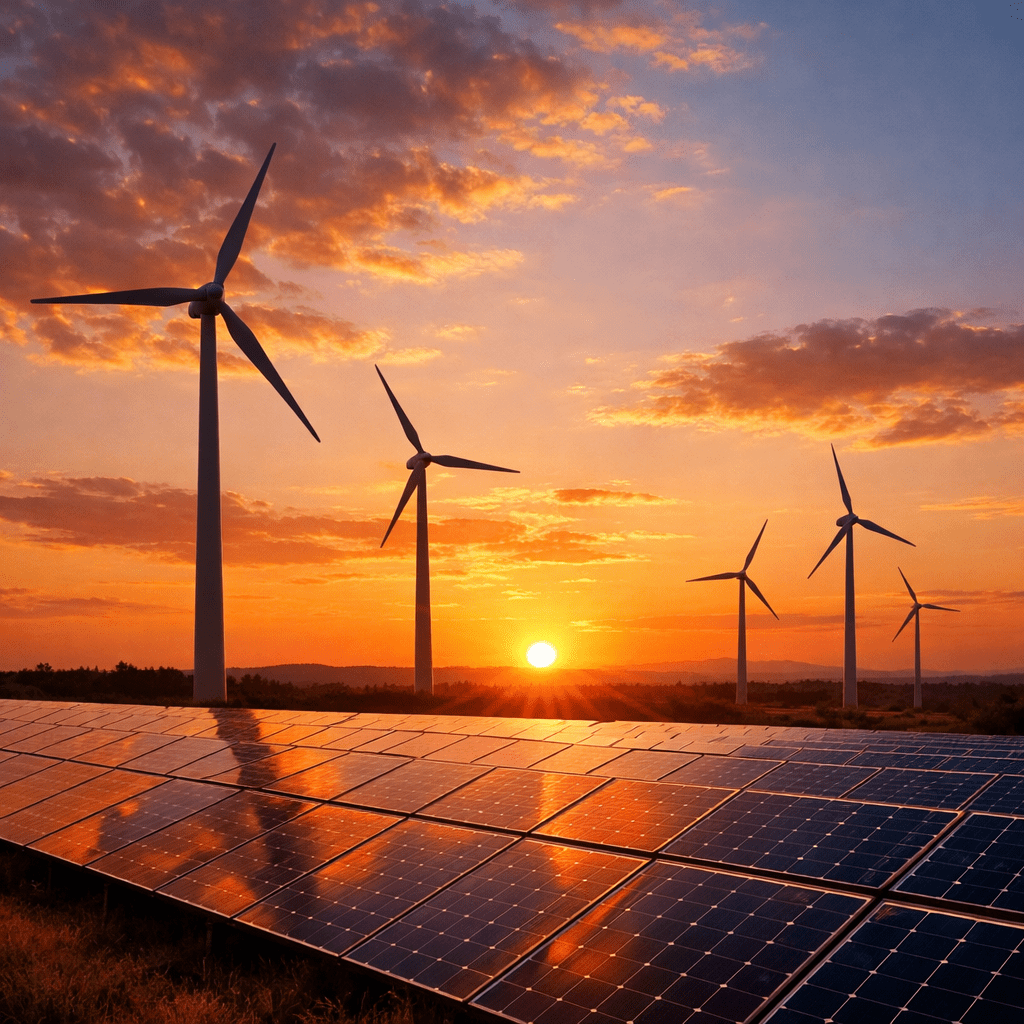
The GEA-4 auction structure involves a series of steps, including bidder qualification, offer evaluation, and the issuance of awards. The Department of Energy (DOE) has allocated capacity across different regions, with Luzon receiving the largest share. Ground-mounted solar remains the priority, with 3.9 GW planned in the next few years while floating solar targets might be revised upwards due to increasing project interest. The auction also includes allocations for onshore wind and solar-plus-storage systems.

Stricter project qualification requirements have been introduced, making it mandatory for solar and wind projects to secure System Impact Study (SIS) and Distribution Impact Study (DIS) approvals before bidding. This ensures grid compatibility and project viability but may limit participation from early-stage projects. Developers have raised concerns over the need for a transition period to comply with these new requirements.
Financial security measures, such as bid and performance bonds, have been enforced to ensure project completion. Bidders must submit a PHP 1 million per MW bid bond before the auction, while a performance bond tied to project milestones must be provided within 15 days of receiving the award. If a project is delayed beyond one year, the performance bond may be fully drawn, and the offtake contract revoked. Industry participants have proposed extending submission deadlines and allowing alternative security instruments.
Past auction rounds have shown mixed results. While GEA-1 in 2022 awarded nearly all available capacity, GEA-2 in 2023 was under-subscribed, revealing project readiness challenges. GEA-3 in 2025 attracted strong interest, especially in pumped-storage hydro projects. GEA-4 aims for a balanced capacity mix, but stricter compliance rules may impact participation.
A significant development in GEA-4 is the introduction of indexation in the Green Energy Tariff (GET). This allows tariff adjustments to account for inflation and foreign exchange fluctuations, improving long-term price stability for developers. However, the exact mechanism for indexation is still under discussion.
The industry consultation in February 2025 highlighted key concerns from developers, including the need for clearer guidelines on capacity definitions, particularly the difference between MWp and MWac in auction submissions. There were also calls for recognizing early-stage projects with DOE-issued Certificates of Award (COA) and allowing provisional grid connection proof.
As the Philippines pushes for increased renewable energy adoption, ensuring a well-structured and efficient process will be crucial in meeting long-term energy goals.