The Government of Gujarat has approved a detailed Standard Operating Procedure (SoP) for the implementation of the Gujarat Integrated Renewable Energy Policy-2025 (GIREP-2025), marking a major step toward accelerating clean energy development in the state. Approved on May 5, 2026, the framework has been introduced to simplify procedures for renewable energy developers and investors while strengthening Gujarat’s position as one of India’s leading renewable energy hubs.
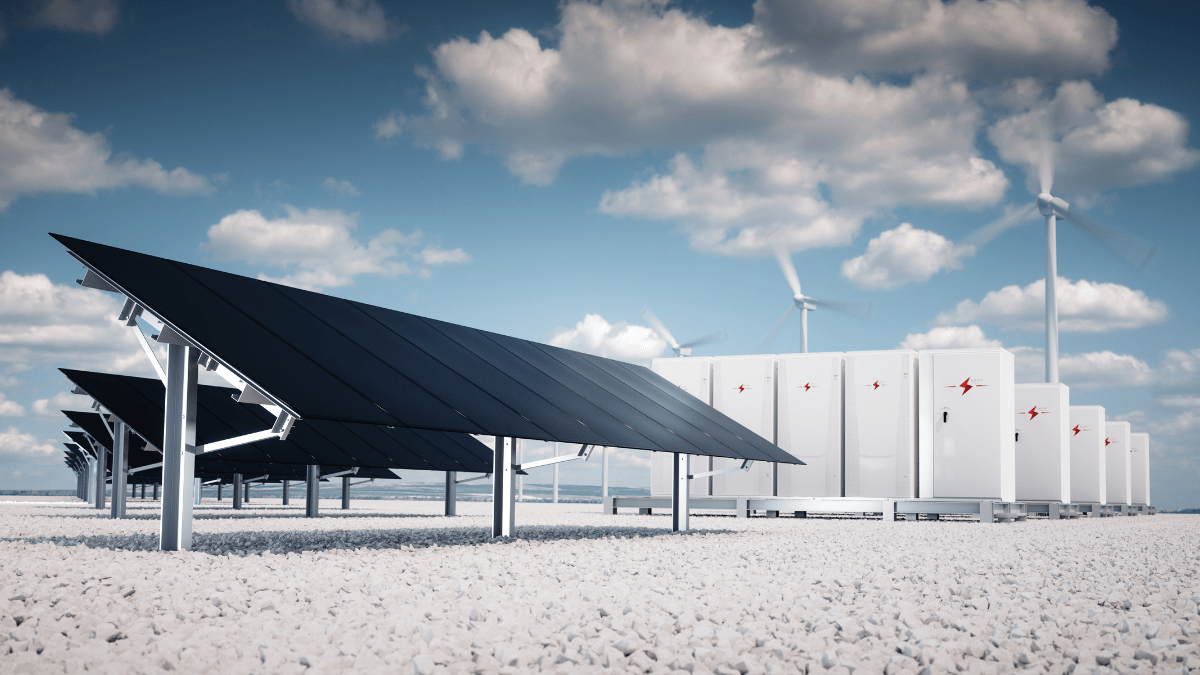
The new SoP is aimed at improving the ease of doing business by creating a transparent, time-bound, and standardized process for setting up renewable energy projects. It covers the complete project cycle, including registration, approvals, grid connectivity, and commissioning. The framework applies to a wide range of renewable energy projects such as ground-mounted solar plants, rooftop solar systems, wind power projects, hybrid renewable systems, floating solar projects, and standalone Battery Energy Storage Systems (BESS).
A major highlight of the new guidelines is the strong focus on grid stability and efficient power management. The government has encouraged developers to integrate battery storage systems with renewable energy projects to manage peak demand, improve supply reliability, and reduce energy wastage. Battery storage is expected to play a critical role in balancing renewable power generation, especially as the share of solar and wind energy continues to rise in Gujarat’s electricity mix.
To make project approvals faster and more efficient, the state government is also upgrading its single-window web portal. The digital platform will handle key processes such as project registration, approvals, connectivity permissions, and capacity allocation through a centralized system. This move is expected to reduce delays and provide greater transparency for developers and investors.
The SoP further specifies technical and safety requirements that renewable energy projects must follow. These standards are aligned with regulations issued by the Central Electricity Authority (CEA) and the Gujarat Electricity Regulatory Commission (GERC). Developers will be required to install advanced metering and communication systems capable of sharing real-time operational data with load dispatch centers. This is intended to improve monitoring, grid management, and overall power system reliability.
For smaller renewable energy installations, including rooftop solar and small wind projects, the government has introduced a simplified step-by-step process. The procedure includes obtaining technical feasibility clearance from distribution companies, receiving safety approvals from the Chief Electrical Inspector, and signing connectivity agreements before project commissioning. In a significant move to encourage household adoption of renewable energy, residential consumers have been exempted from application processing fees.
The GIREP-2025 policy replaces the earlier 2023 Renewable Energy Policy and will remain valid until December 31, 2030. Projects already under implementation under the previous policy have been given a six-month transition period to complete their ongoing phase before shifting to the new guidelines. Through the introduction of this streamlined framework, Gujarat aims to strengthen renewable energy investments, improve energy independence, and support the achievement of its Renewable Purchase Obligation targets.
Subscribe to get the latest posts sent to your email.