By
2 min ago 2 min read
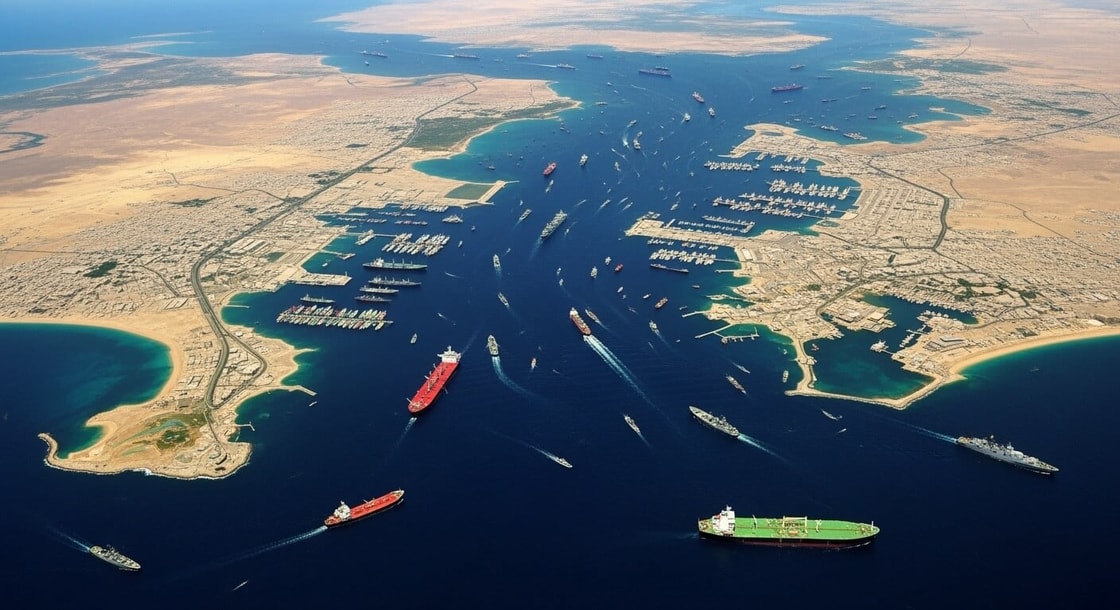
The prospect of normality returning to Gulf shipping and the Strait of Hormuz feels more distant than ever as tensions escalate and the overall situation remains mired in uncertainty and disunity.
US Central Command (Centcom) forces will resume blockading maritime traffic entering and exiting Iranian ports at 4pm eastern time today (14 July). It follows Iran attacking two UAE tankers in the strait, killing one seafarer and injuring eight.
Centcom said the US military continues to support traffic flow through regional waters “for all vessels not violating the blockade,” but for security and financial reasons, commercial traffic remains at a standstill.
US President Donald Trump insisted the strait “is open and will remain open” and said a 20% charge will be imposed on all cargo to cover security costs.
The plan is not seen as workable by the shipping industry.
The International Maritime Organization (IMO) Council defended freedom of navigation and international law after concluding its 137th session.
The council reiterated that any measures taken by coastal states to regulate traffic in vital shipping lanes should be done with accordance with IMO regulations under the International Convention on the Safety of Life at Sea.
“The Council reaffirmed that passage through the strait should remain free of any tolls and charges, in accordance with international law, including the IMO Convention,” it added.
Richard Meade, Editor in Chief at Lloyd’s list, the shipping and data platform, said the US levy would amount to roughly $17m for a fully laden gas carrier.
“At those levels, the Iranian Revolutionary Guard Corps’ own pricing structure begins to look remarkably restrained,” he said. “There is no legal basis for charging vessels to exercise their right of transit passage through an international strait … [they] are not toll roads.”
“What is at stake is not merely the cost of transiting Hormuz, but the principle that global trade routes cannot be auctioned to the highest geopolitical bidder.”
Read more: