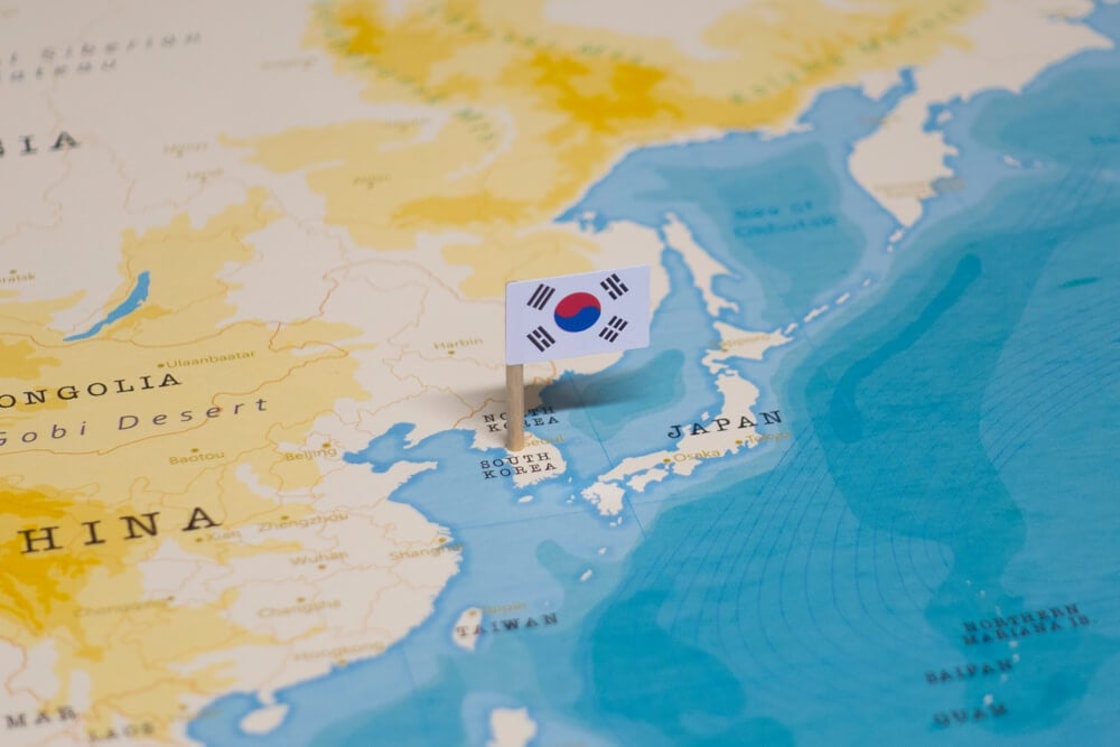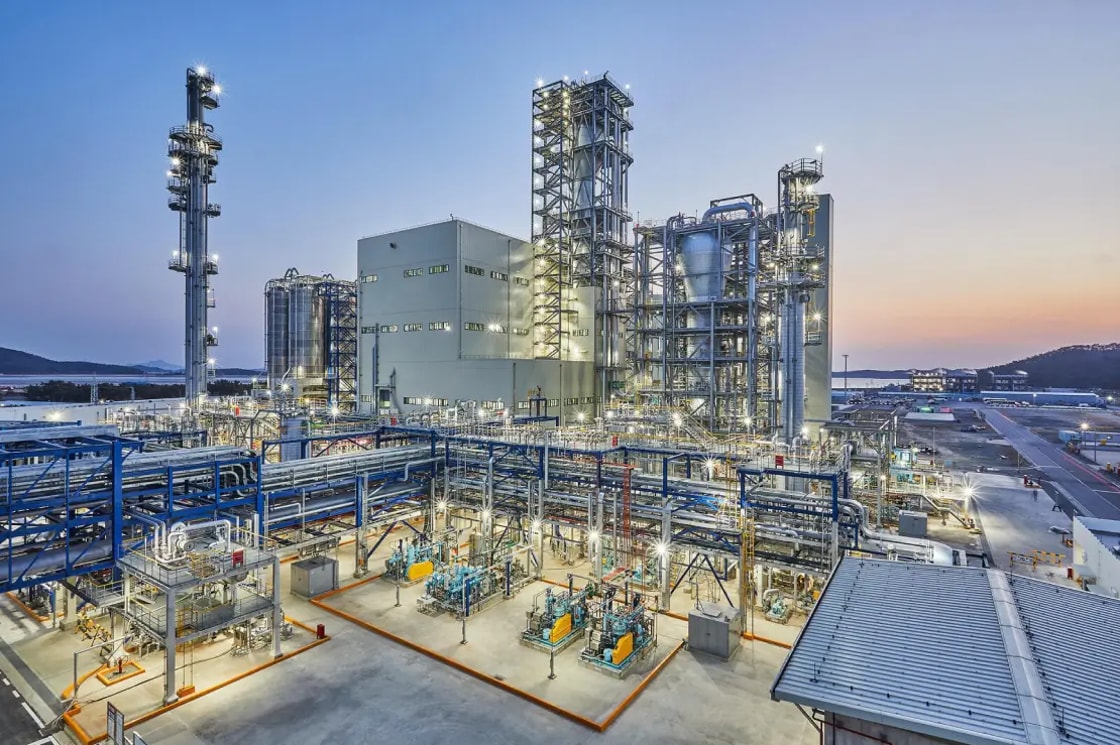
Hanwha TotalEnergies has started up a pilot plant to capture carbon dioxide emissions from a naphtha cracking centre in Daesan, South Korea.
The company plans to capture CO2 generated from the centre at an average of 20 tonnes per day “under various concentrations and conditions” for the next 12 months at its petrochemical complex.
The captured gas will be supplied to a joint research and development institute and used to manufacture prototypes of polyurethane adhesives. These are typically high-strength polymer-based glues used to bond wood, metal, or plastic.
This utilisation pathway is a good fit for the naphtha cracking process, which is where the hydrocarbon mixture is heated in a furnace to break it down – or crack – into hydrocarbon molecules. It is a cornerstone of the chemical industry for producing olefins, which are used to make plastics.
… to continue reading this article and more, please login, register for free, or consider subscribing to gasworld