Hot Weather and High Demand to Pressure US Power Grid This Summer, FERC Says

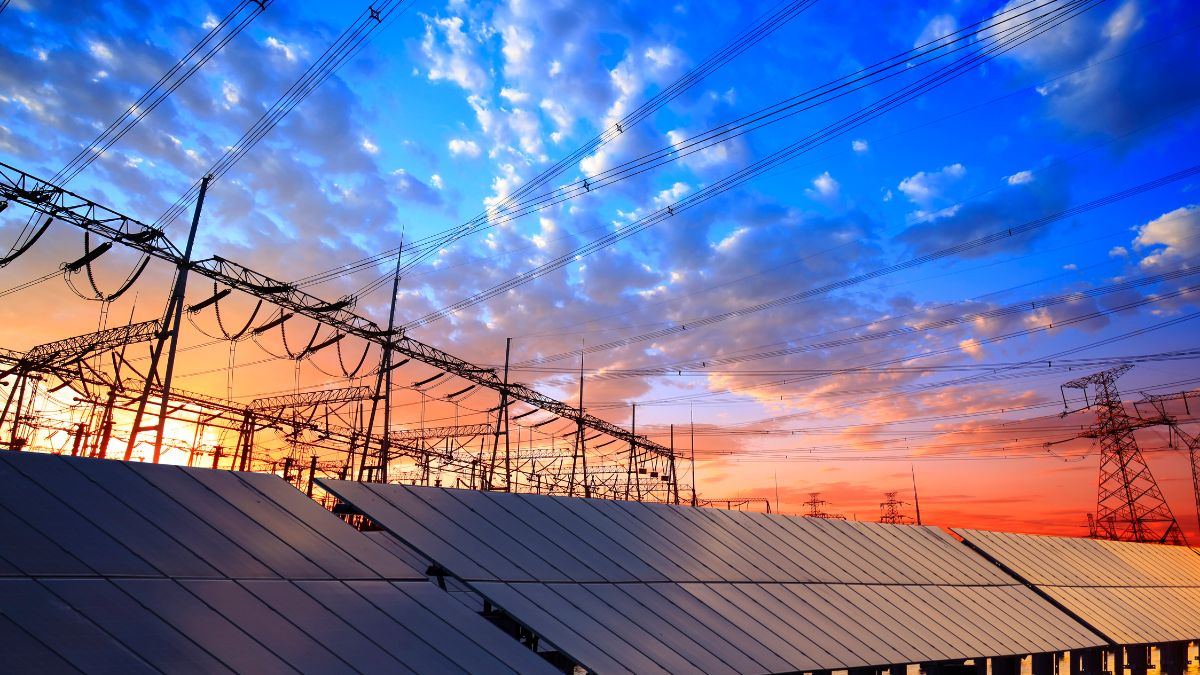
A shrinking pool of around-the-clock power plants, which are retiring to make way for cleaner energy sources, will further pressure the electrical system, FERC said in its annual assessment.

WHY IT MATTERS

The U.S. as a whole is expected to have enough power supplies to meet demand under normal weather and power supply conditions. But New England, the Midwest, the Mid-Atlantic, the Southwest and Texas face higher risks of power shortfalls under a range of anomalies, FERC said.

“These include above-normal electricity demand, periods of low wind and solar output, and wide-area heat events that disrupt available transfer and generator availability,” the regulator said in its report. “If such conditions occur, it may require operational mitigations to avoid facing reliability issues.”

Power shortfalls can lead to power outages and rising bills.

PUSHING UP DEMAND

The western and southeastern regions have a 40% to 60% chance of higher-than-average temperatures this summer, while the central U.S. and Northeast have a 30% to 50% chance, FERC said, citing the National Oceanic and Atmospheric Administration.

Extreme heat prompts homes and businesses to crank up energy-intensive air conditioning systems. Drought can mean lower hydropower supplies. Wildfires and hurricanes, another risk during the summer months, can disrupt power from being delivered.

Rising power demand from developments like growth in AI data centers will also increase demand this summer, FERC said.

With rising power use, the retirement of fossil-fired power plants outpacing new electricity generation additions, and rising natural gas prices, power bills are expected to be higher this summer than last year, FERC said.

(Reporting by Laila Kearney; Editing by Leslie Adler)

Share This:


More News Articles

 

  • Related Posts

    Top US Refiners See Profits Soar, Step Up Investor Rewards

    By Nicole Jao Top refiners post combined second-quarter profit of $12.6 billion Capital returns to shareholders hit $6.3 billion in second quarter TD Cowen sees Marathon and Valero each repurchasing…

    BofA to Plow $250 Billion Into Critical Infrastructure Projects

    By Paula Seligson and Katherine Doherty Bank of America Corp. unveiled a $250 billion initiative to invest in critical infrastructure across the US over the next year, joining its peers…

    Have You Seen?

    China Rare Earth Firms Freeze U.S. Exports Weeks Before Xi-Trump Summit

    • September 4, 2026
    China Rare Earth Firms Freeze U.S. Exports Weeks Before Xi-Trump Summit

    Europe Gas Prices Head for Fourth Straight Weekly Gain

    • September 4, 2026
    Europe Gas Prices Head for Fourth Straight Weekly Gain

    Iran Says It’s Found Ways to Dodge U.S. Oil Blockade

    • September 4, 2026
    Iran Says It’s Found Ways to Dodge U.S. Oil Blockade

    India Plans Mandatory Battery Storage at Solar and Wind Projects

    • September 4, 2026
    India Plans Mandatory Battery Storage at Solar and Wind Projects

    UK must bolster food supply chain resilience

    • September 4, 2026
    UK must bolster food supply chain resilience

    Carbon capture and conversion technology wins Australian science award

    • September 4, 2026
    Carbon capture and conversion technology wins Australian science award

    Nano Nuclear Energy and Howden work on helium circulator nuclear design

    • September 4, 2026
    Nano Nuclear Energy and Howden work on helium circulator nuclear design

    UK Poised to Approve Jackdaw Gas Field as Energy Costs Soar

    • September 4, 2026
    UK Poised to Approve Jackdaw Gas Field as Energy Costs Soar

    Argentina Targets Falklands Oil Drillers With Tougher Sanctions

    • September 4, 2026
    Argentina Targets Falklands Oil Drillers With Tougher Sanctions

    U.S. Diesel Prices Hit All-Time High as Global Fuel Squeeze Deepens

    • September 4, 2026
    U.S. Diesel Prices Hit All-Time High as Global Fuel Squeeze Deepens