Across many African countries, electricity utilities are upgrading their grids by installing smart meters and introducing Time-of-Use tariffs. Under these new systems, electricity prices change during the day, with higher charges during peak hours and penalties for sudden spikes in demand. For households, small businesses, and large industries, this shift is already affecting monthly power bills and making unmanaged electricity use more expensive.
Smart meters record electricity consumption in real time. This means even short periods of high usage, such as running multiple appliances or machines at once, can lead to higher charges. Evening hours, when solar power is not available and demand is high, are often the most expensive. As a result, simply installing solar panels is no longer enough. Consumers now need smarter ways to manage when and how electricity is used.
Hybrid solar solutions, which combine solar panels with battery storage and intelligent inverters, are emerging as a practical response to this challenge. These systems allow users to reduce their dependence on the grid during expensive peak hours and make better use of solar energy produced during the day. By storing excess solar power in batteries, users can use that energy later when grid electricity is costly.
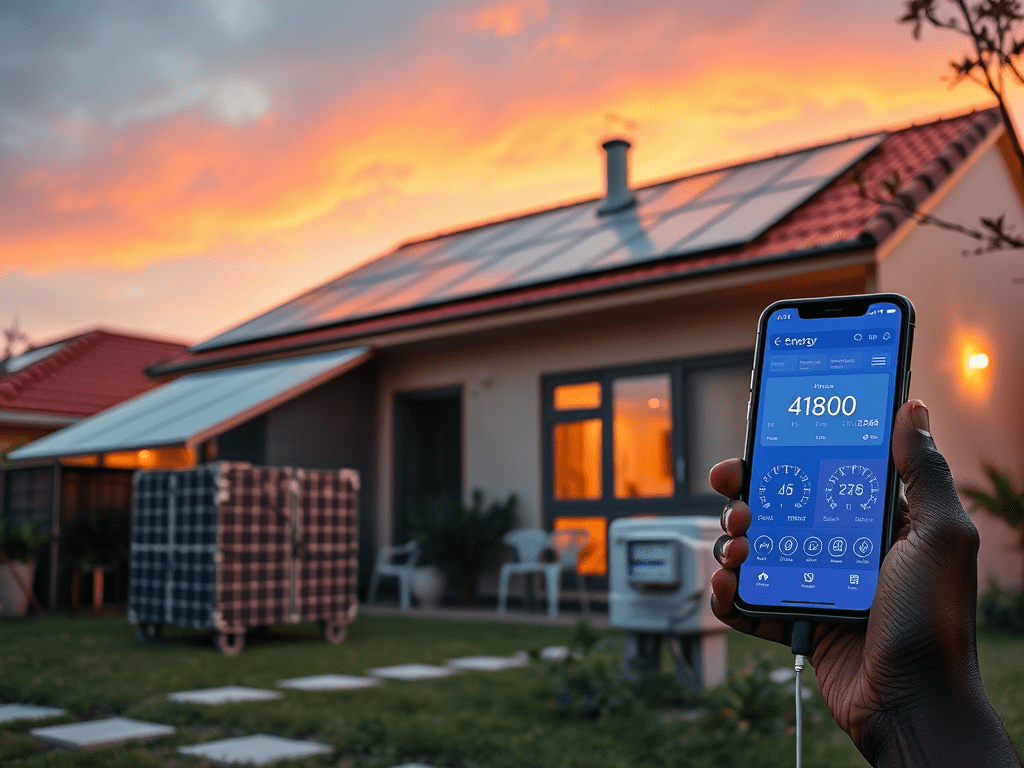
For homes and small businesses, hybrid systems can supply power directly from solar panels during daylight hours, avoiding grid charges. Batteries can be charged when tariffs are low or when solar generation is high, and then discharged during peak periods in the evening. This helps reduce electricity bills and limits sudden demand spikes that smart meters record. Many systems also include mobile apps, allowing users to monitor energy use, solar output, and battery status in real time.
In commercial and industrial settings, the financial impact can be even greater. Factories, warehouses, and offices often face high peak demand charges under TOU tariffs. Hybrid solar-battery systems can discharge stored energy during peak times to reduce recorded demand. They can also store electricity when prices are low and use it later when prices rise. In addition, these systems reduce the need for diesel generators, cutting fuel costs and maintenance expenses.
As Africa’s power sector continues to evolve, hybrid solar solutions are becoming an important tool for managing energy costs. By combining solar generation, battery storage, and smart control, these systems help consumers adapt to new tariffs, improve reliability, and gain greater control over their electricity use in a changing energy landscape.
Subscribe to get the latest posts sent to your email.