By
1 hour ago 3 min read
Hungarians took to the streets to mark the end of Viktor Orbán’s 16-year hold on power following a landslide election win for Peter Magyar’s Tisza party.
Externally, the changes are just as significant.
Magyar has promised to lead Hungary back towards western integration and reset its relationship with Russia. This will have major energy implications; previously up to 90% of its oil and gas came from Russia.
The political changes come amid the Middle East crisis which will also impact Hungary in terms of energy supply risks, market volatility and diplomatic balancing efforts.
Against such dynamics, is a new renewables charge realistic? The new administration is expected to unfreeze European Union and NATO support, including the restoration of over €90bn in previously blocked EU funds, which would be crucial for financing the energy transition and green infrastructure.
But the European Commission notes, “Hungary continues to rely heavily on fossil fuels, and its efforts to increase energy security by shifting away from dependence on Russian imports are slow.”
And despite the widespread post-election euphoria, dismantling a 16-year-old regime will take time, according to Emerson Brooking, Director of strategy at the Atlantic Council’s Digital Forensic Research Lab and former US Defense Department cyber policy advisor.
“While the decisiveness of Magyar’s victory helped avert a political crisis, the forces that gathered to throw Hungary into chaos are very likely to try again,” he said.
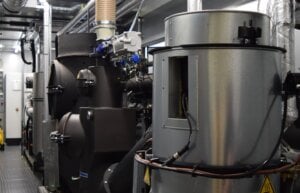
Economically, the industrial sector, especially manufacturing, is underperforming, failing to provide the expected rebound to fuel exports. This will continue to pose challenges, particularly in such an uncertain macro environment. According to , Hungary produces around 8,000 tonnes per day of industrial gas across 47 plants, with Linde having a strong presence, followed by Messer, Siad and Air Liquide.
The Hungarian government has operated a system of price caps on gas and electricity, which has often required emergency decrees and taxes on energy-intensive firms (eg €36 per tonne of carbon dioxide).
The Tisza party has suggested maintaining the regulated pricing system for companies while reviewing Russian contracts and might align more closely with the EU target to phase out Russian gas by 2027, potentially raising short-term industrial energy costs. A large portion of Hungary’s electricity generation capacity is considered obsolete and requires modernisation or replacement.
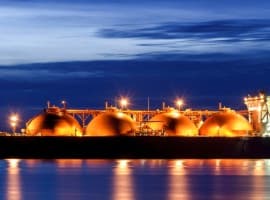
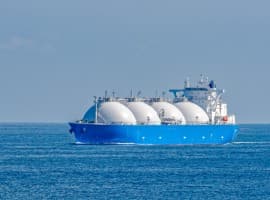
The International Energy Agency recommends faster integration with new LNG terminals, as Hungary remains vulnerable to supply disruptions from the east.
Another challenge for the new government is it must also navigate the ongoing, long-term construction of the Paks II nuclear power plant, which relies on Russian technology and financing, a significant factor in Hungary’s carbon-neutral electricity by 2050 plans.
Renewable strides have been made with solar and hydrogen.
In April 2024, the MOL Group inaugurated the largest green hydrogen plant in Central and Eastern Europe at its Danube Refinery. This plant uses 10-MW electrolysers from US-based Plug Power to produce around 1,600 tonnes of green hydrogen annually using renewable electricity, reducing carbon emissions by 25,000 tonnes per year. MOL plans to replicate its green hydrogen technology in its other refineries in Rijeka (Croatia) and Bratislava (Slovakia) this year.
Hungary aims to produce 16,000 tonnes a year of green hydrogen by 2030, with an additional 20,000 tonnes year of low-carbon hydrogen. The focus is on decarbonising hard-to-abate sectors such as transportation and industrial manufacturing.
A key project includes the Slovak-Hungarian Hydrogen Corridor, which is listed in the EU’s updated PCI list, contributing to a regional hydrogen backbone from 2030.
It’s a new political chapter for Hungary but how quickly it is able to embrace and implement changes will be eagerly watched in the months ahead.