The International Energy Agency’s (IEA) latest Global Energy Review offers the first comprehensive assessment of 2024 trends across the energy sector. Based on the most recent data, it examines energy demand, supply, the adoption of new technologies, and energy-related carbon dioxide (CO2) emissions.
The report reveals that global energy demand increased by 2.2% in 2024, outpacing the previous decade’s average annual growth of 1.3%, but still lagging behind the 3.2% rise in global GDP. Emerging and developing economies drove over 80% of the demand increase, despite China’s slower growth, where energy consumption rose by less than 3%—half the 2023 rate. In contrast, advanced economies saw energy demand rebound by nearly 1% after consecutive years of decline.
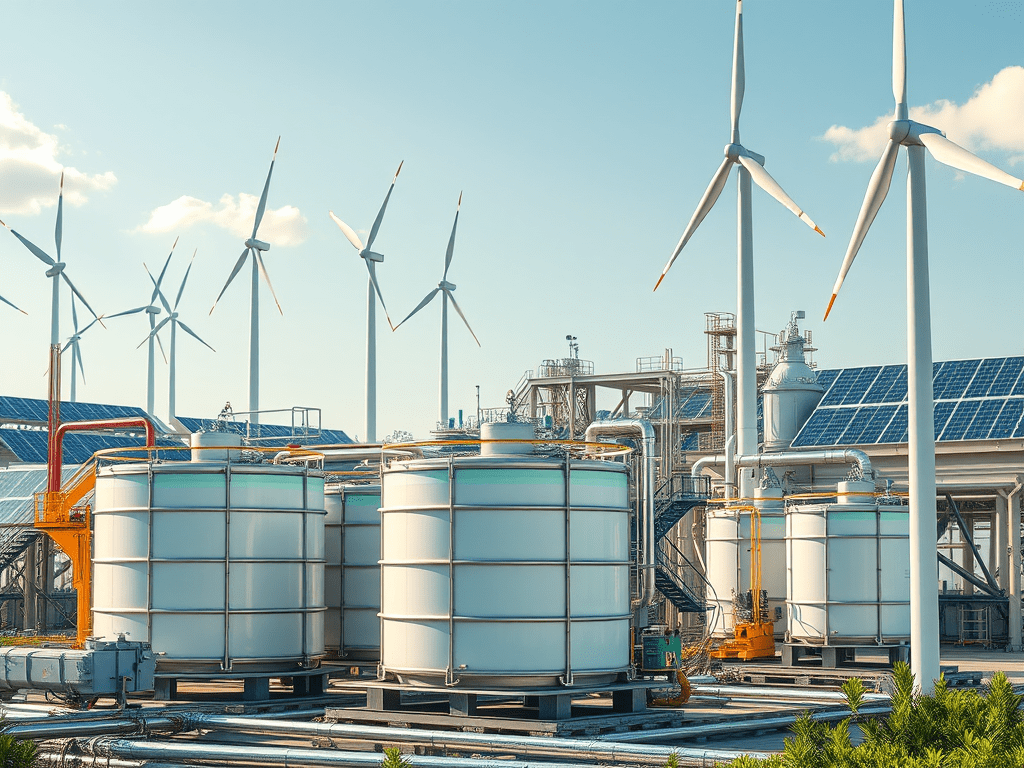
Global electricity demand surged by 1,100 TWh (4.3%) in 2024, nearly twice the past decade’s average, driven by record temperatures, rising industrial use, transport electrification, and AI expansion. Low-emission sources met most of the rising electricity demand. Renewables added 700 GW, marking a record 22nd consecutive year of growth, while nuclear saw its fifth-highest expansion in 30 years. Together, they supplied 80% of the generation increase, contributing 40% of the global power mix, with natural gas filling the gap.
IEA Executive Director Fatih Birol stated that despite global uncertainties, the IEA report provides clear insights. He noted that rising electricity demand is driving overall energy consumption, reversing declines in advanced economies. In 2024, renewables led growth, followed by natural gas, while clean technologies increasingly decoupled emissions from economic growth.
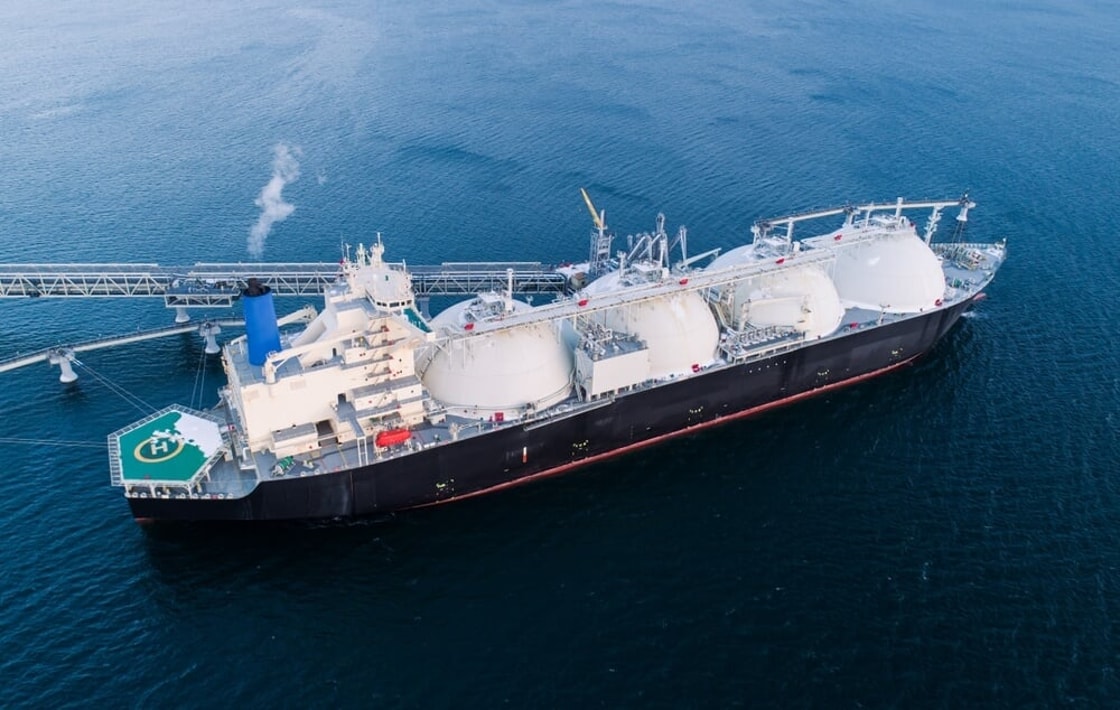
In 2024, natural gas demand surged by 115 billion cubic metres (bcm), or 2.7%, surpassing the decade’s average of 75 bcm, driven by higher power consumption. Oil demand grew more modestly at 0.8%, with its share of total energy demand falling below 30% for the first time in 50 years. Electric vehicle (EV) sales increased by over 25%, reducing oil demand for road transport, offsetting aviation and petrochemical consumption. Global coal demand rose by 1%, half the previous year’s growth, mainly due to heatwaves in China and India, which drove over 90% of the annual increase in coal consumption.
The global CO2 emissions in 2024 rose by 0.8% to 37.8 billion tonnes, largely due to record temperatures. However, the rapid adoption of clean energy technologies, including solar PV, wind, nuclear, EVs, and heat pumps, now prevents 2.6 billion tonnes of CO2 emissions annually, equal to 7% of global emissions. CO2 emissions in advanced economies fell by 1.1% to 10.9 billion tonnes—the lowest in 50 years—despite their GDP tripling. Most emissions growth came from emerging economies, while China’s emissions slowed but remained 16% higher per capita than advanced economies.
Dr. Birol noted that 2024 data confirms key IEA trends, including slower oil demand growth, rising EV adoption, expanding electricity use, and the increasing decoupling of emissions from economic growth.