The International Finance Corporation (IFC), a member of the World Bank Group, is providing financing to PCR (Petroquímica Comodoro Rivadavia S.A.) for the development and construction of the Olavarría Wind Farm in the Province of Buenos Aires, Argentina. In addition to supporting the wind power project, the financing will also help expand transmission capacity along the Bahía Blanca–Abasto high-voltage corridor. This corridor plays a crucial role in connecting one of Argentina’s strongest wind resource regions with the country’s largest electricity demand center.
The wind farm project is being co-developed with Acindar Industria Argentina de Aceros S.A., which is part of the ArcelorMittal group and is also Argentina’s largest steel producer. Acindar plans to source renewable electricity generated by the wind farm to support the decarbonization of its industrial operations. By integrating renewable energy into its power supply, the company aims to reduce emissions associated with steel production while strengthening its sustainability commitments.
The total investment in the project is estimated at approximately 275 million US dollars. The development includes the installation of 29 wind turbines supplied by Vestas, providing a total installed generation capacity of 185.6 megawatts. In addition to the turbines, the project also involves building a 25-kilometer transmission line that will connect the wind farm directly to the Olavarría substation. The infrastructure work will also include the expansion and upgrading of capacitor systems at both the Olavarría and Ezeiza substations in order to improve grid stability and increase transmission efficiency.
The project has received approval under the Government of Argentina’s Large Investment Incentive Regime, known as the RIGI scheme. This policy framework has been designed to encourage large-scale investments that contribute to economic growth, infrastructure development, and long-term energy security. One of the most significant aspects of the project is that it represents Argentina’s first renewable energy generation initiative that includes privately financed transmission infrastructure integrated into the country’s national grid, the Argentine Interconnection System (SADI).
By combining renewable energy generation with privately funded transmission expansion, the project introduces a new development model for the country’s energy sector. This approach is expected to encourage additional private investments in critical transmission infrastructure, which is essential for unlocking more renewable energy capacity across Argentina and improving the overall efficiency and reliability of the power system. Argentina has significant renewable energy potential, particularly in wind power, and projects like the Olavarría Wind Farm are expected to play an important role in strengthening the country’s energy mix.
The development will contribute to diversifying the national energy matrix while increasing the share of clean energy in the power supply. Once operational, the wind farm is expected to generate enough renewable electricity to meet the annual power needs of approximately 230,000 households. In addition to providing clean energy, the project will deliver important environmental benefits. It is expected to reduce carbon dioxide equivalent emissions by around 320,000 metric tons each year, contributing to climate change mitigation and supporting Argentina’s environmental goals.
Beyond its environmental impact, the investment is also expected to deliver economic benefits. By providing cost-competitive renewable energy to private sector offtakers, the project will help improve industrial competitiveness. Reliable and affordable clean electricity can support the growth of energy-intensive industries while encouraging new investments in manufacturing and infrastructure. The project is also expected to create indirect economic opportunities in the region. Construction and operation activities will contribute to job creation and provide opportunities for local workers to develop skills related to renewable energy development and transmission engineering. In addition, the project is likely to benefit small and medium-sized suppliers that provide goods and services to the renewable energy sector.
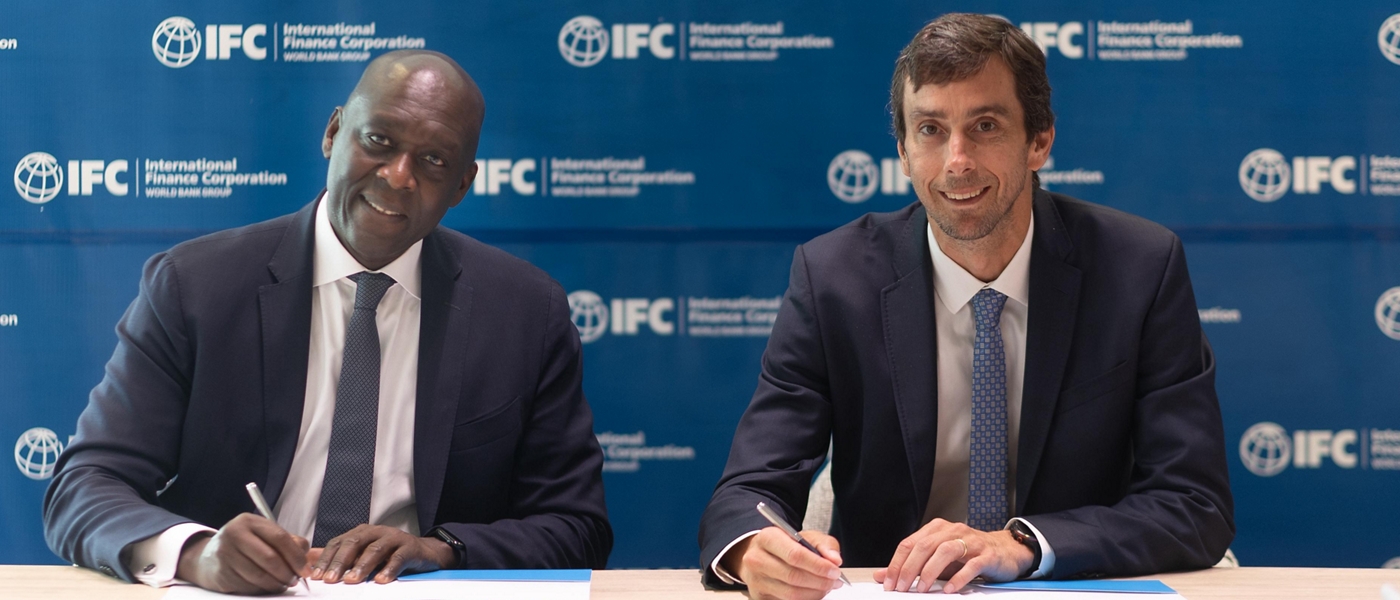
Makhtar Diop, Managing Director of IFC, emphasized the importance of investments that combine renewable energy development with infrastructure expansion. According to him, projects that increase access to competitive renewable power while modernizing energy infrastructure are essential for Argentina’s long-term sustainable development. He explained that IFC’s partnership with PCR aims to mobilize private capital in order to deliver reliable and affordable electricity while expanding transmission capacity. Such investments, he noted, can support economic growth, strengthen industrial competitiveness, and unlock the country’s broader economic potential.
Martin Brandi, Chief Executive Officer of PCR, also highlighted the importance of the project for Argentina’s energy future. He stated that the financial agreement with IFC allows the company to move forward with an initiative that combines strategic infrastructure development, renewable energy generation, and opportunities for local communities and supply chains. According to him, projects of this nature help strengthen the country’s competitiveness, encourage long-term investment, and create a solid foundation for sustainable economic growth that benefits society more broadly.
In addition to providing financial support, IFC will also offer technical advisory services throughout the project’s development. These services will help ensure that the project complies with international environmental and social standards in accordance with IFC’s Performance Standards. This support will help strengthen sustainability practices, improve environmental and operational risk management, and encourage greater confidence among investors.
Through its combined financing and advisory role, IFC aims to help mobilize further private investment in Argentina’s renewable energy and infrastructure sectors. The Olavarría Wind Farm project demonstrates how partnerships between international financial institutions and private companies can accelerate the development of clean energy while supporting economic development, infrastructure modernization, and long-term sustainability goals.
Subscribe to get the latest posts sent to your email.