

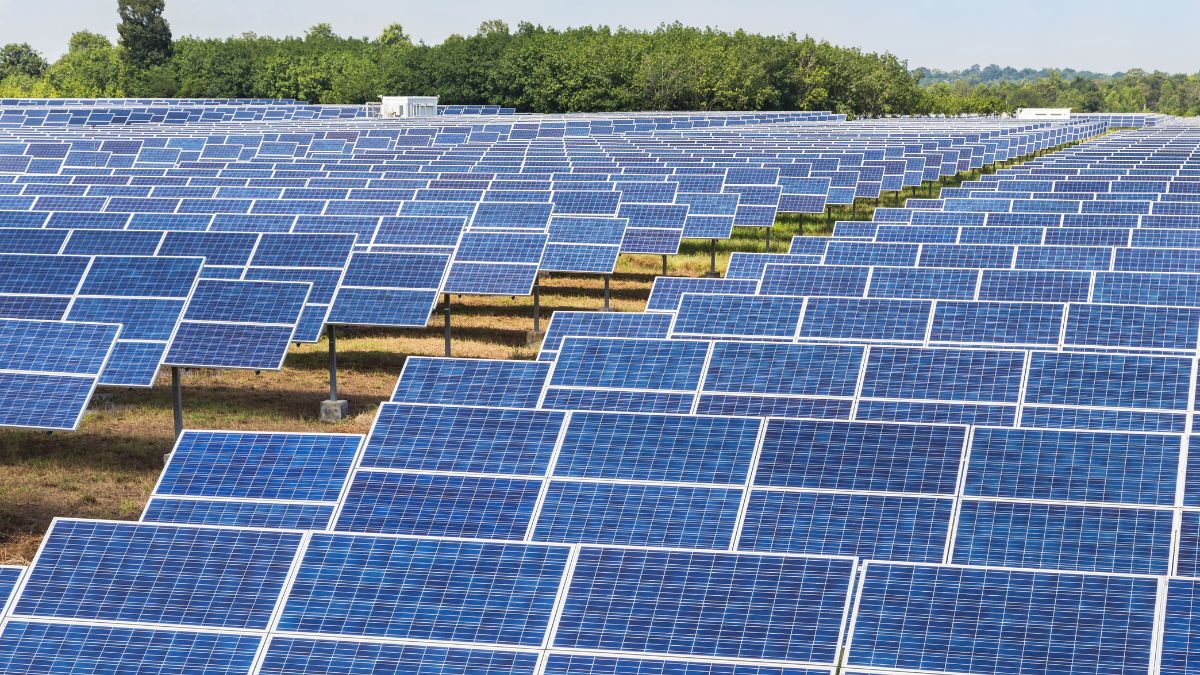
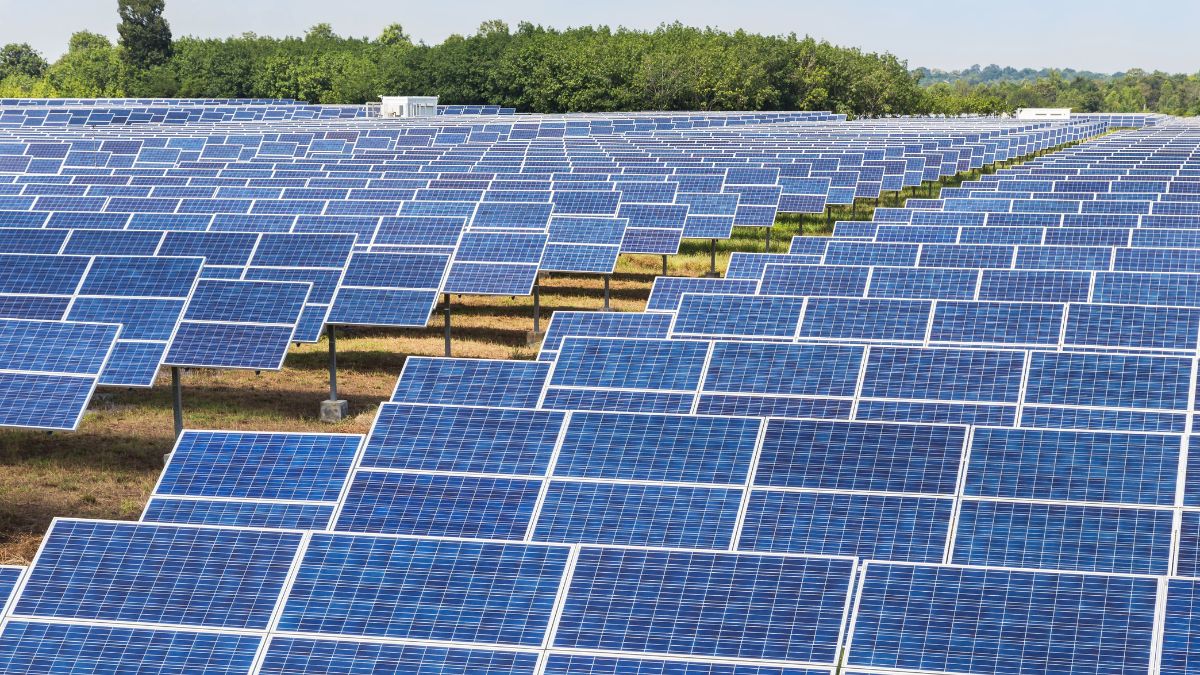
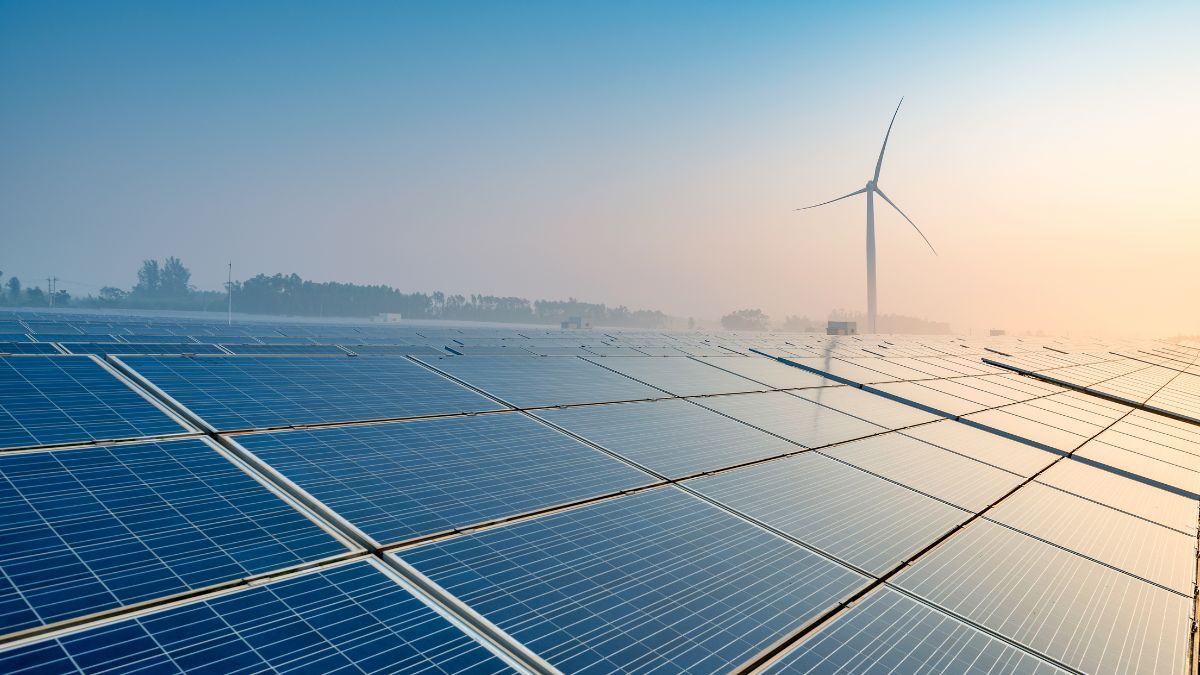
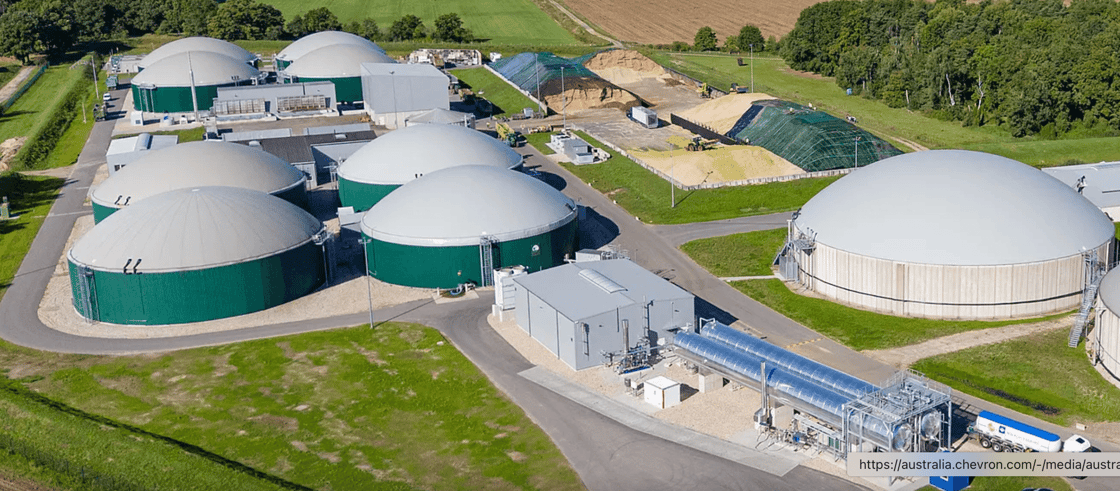
India achieved a significant milestone in its clean energy journey by adding a record 22 gigawatts (GW) of renewable energy capacity in the first half of 2025. This marks a 57% increase compared to the 14.2 GW installed during the same period in 2024, making it the country’s highest-ever addition within a six-month span. The new capacity includes 18.4 GW of solar energy, 3.5 GW of wind power, and 250 megawatts (MW) of bioenergy generated from plant and animal waste.
A key driver behind this surge is the government’s Interstate Transmission System (ISTS) charge waiver, which currently stands at 25% and will gradually increase each year until full implementation by June 2028. This policy has significantly lowered project costs and motivated developers to fast-track installations.
With this growth, India is steadily advancing toward its target of sourcing 50% of its installed power capacity from clean energy sources. The country now has a total renewable capacity of 234 GW, which includes large hydropower projects. However, while the addition of renewables is impressive in terms of emissions reduction potential, fossil fuels still dominate electricity generation. Coal, oil, and gas-fired plants accounted for about 75% of the country’s electricity in the first half of the year, underlining the ongoing challenge of transitioning away from fossil-based energy.
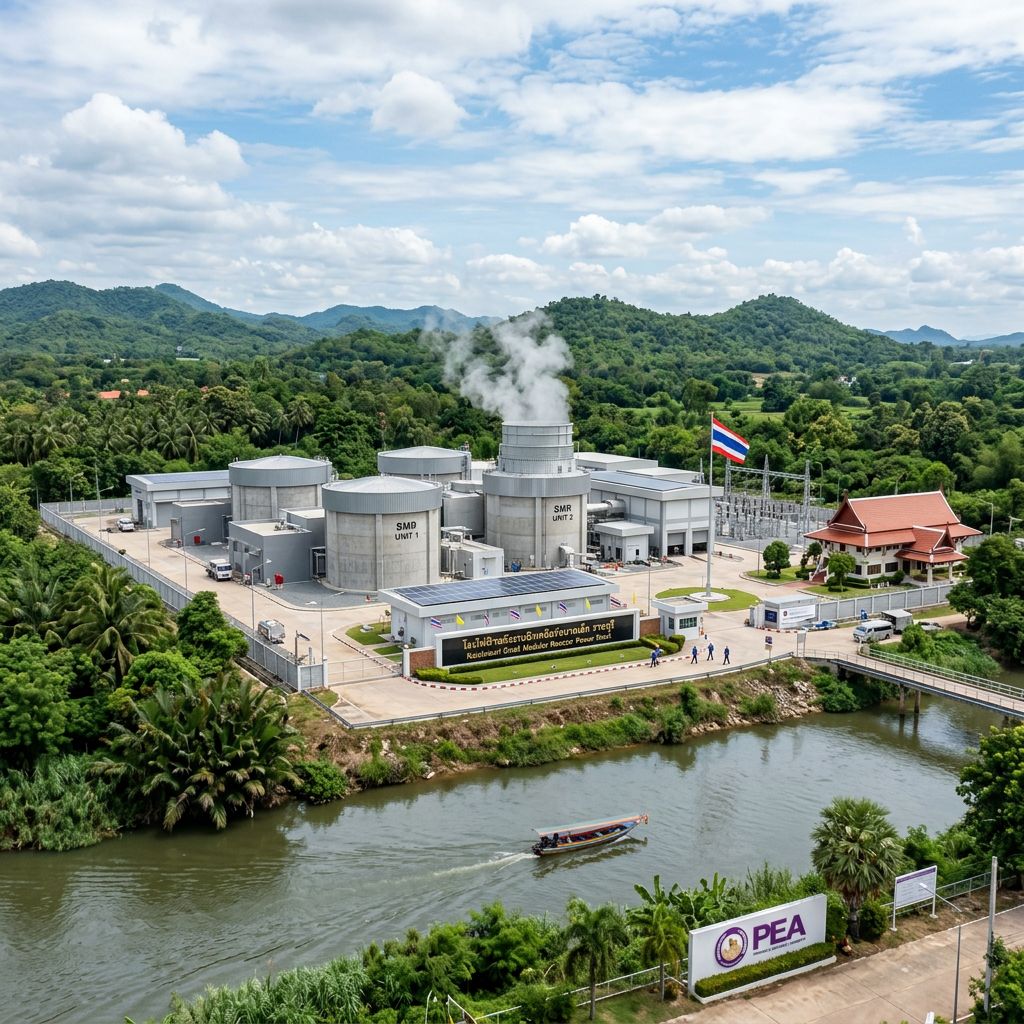
Nuclear energy is also beginning to expand its footprint. The recently commissioned Unit 7 of the Rajasthan Atomic Power Project—a 700 MW reactor—has been connected to the northern grid. Additionally, the government has approved the development of India’s first small modular reactor (SMR) in the state of Bihar. While nuclear power is being explored as a clean alternative, it continues to spark debate due to concerns about high costs, safety, and long-term waste management.
The first half of 2025 also saw a notable rise in battery energy storage systems (BESS). A total of 5.4 GW of collocated solar-BESS and 2.2 GW of standalone BESS were awarded to developers, making it the highest BESS allocation in India to date. This growth reflects increasing attention to grid reliability and better integration of renewable energy. According to Rystad Energy, this momentum is expected to continue.
Tariff trends also show promise: standalone BESS projects received average quoted prices of INR 4,000 ($48.02) per megawatt-hour (MWh), while collocated solar-BESS projects saw lower rates at INR 3,208 ($38.50) per MWh. This pricing trend may encourage more developers to prioritize integrated solar-storage projects over standalone solar installations.
Sushma Jaganath, Vice President, Renewables & Power Research, Rystad Energy, said in a statement, “India installed 22 GW of renewable energy capacity in the first half of 2025, a new record. However, the country is still banking heavily on coal to meet growing power demand, with plans to install an additional 80 GW of new thermal projects. India is not yet undergoing a true energy transition; instead, it is focusing on building up installed capacity from both conventional and renewable energy sources to ensure energy security. Without urgent action to improve affordability and sustainability, particularly through grid upgrades and energy storage, coal will remain central to electrification efforts, jeopardizing progress toward India’s net-zero goals.”
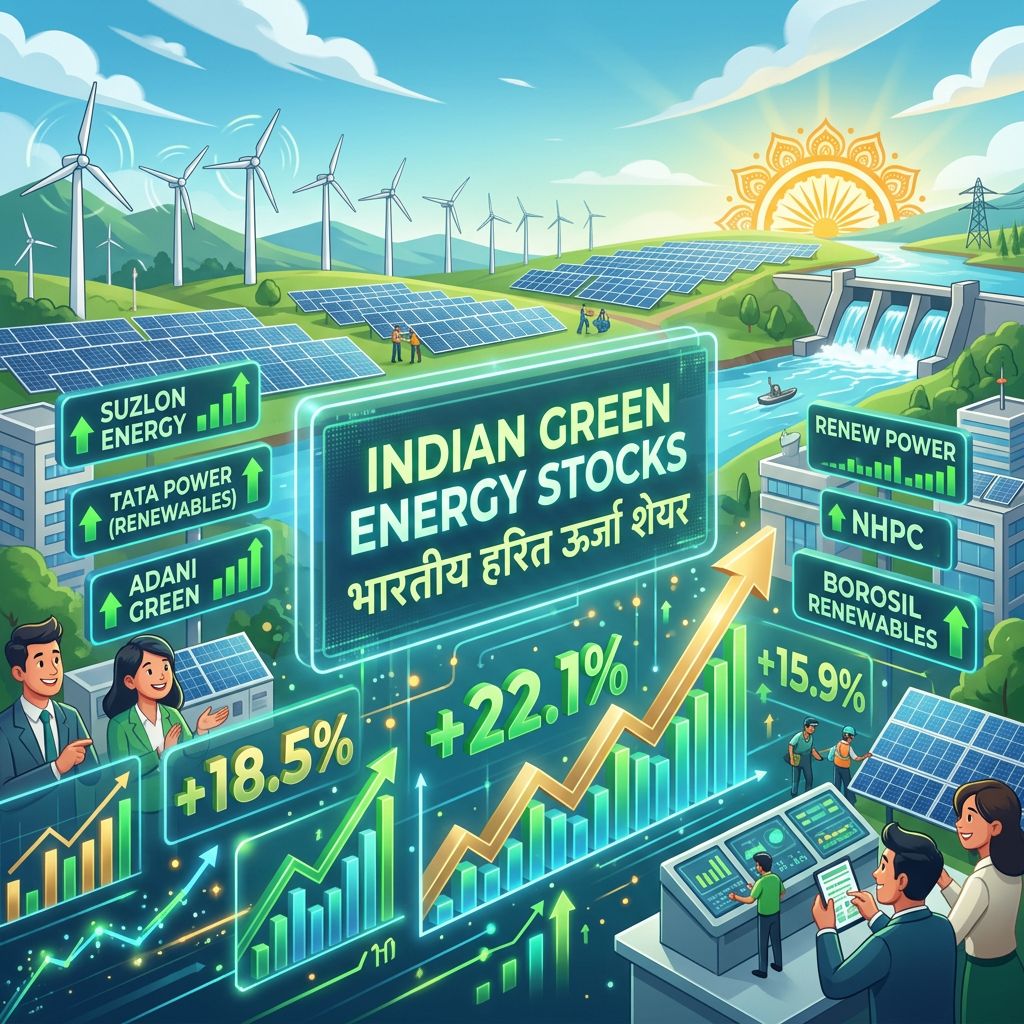
Several major energy players were awarded large capacities in the recent auctions. Jindal Group secured 990 MW of collocated solar and storage, while NTPC and ReNew Power each won 900 MW. In the standalone storage segment, JSW Energy was allocated 625 MW, and Reliance Power secured 525 MW of collocated capacity. Adani Green Energy, which has traditionally focused on standalone solar and wind, also participated, winning a 510 MW collocated solar-BESS project, indicating a strategic shift in its development approach.
India’s western states continue to lead the renewable energy rollout. Rajasthan holds the top position with 37.4 GW of installed capacity, comprising 32 GW of solar and 5.2 GW of onshore wind. The state’s success is supported by high solar irradiance and expansive desert land. Gujarat ranks second with 35.5 GW, including 21.5 GW of solar and 13.8 GW of wind. Tamil Nadu follows with 11.8 GW of wind and 10.6 GW of solar capacity and also leads in bioenergy with 1 GW of the national total of 11.6 GW. Onshore wind power is also significant in Karnataka (7.7 GW), Maharashtra (5.3 GW), Andhra Pradesh (4.4 GW), and Madhya Pradesh (3.2 GW).
Overall, India’s renewable energy sector is experiencing accelerated growth, driven by supportive policies, increased developer participation, and growing demand for energy security and sustainability. However, challenges remain, particularly in reducing dependence on coal and scaling up supporting infrastructure to ensure a smooth energy transition.
Subscribe to get the latest posts sent to your email.





)