India is accelerating a broad-based transformation of its energy system, combining renewable expansion, green hydrogen development, nuclear reforms, energy efficiency measures and digital infrastructure to ensure reliable, affordable and cleaner power supply while progressing toward its Net Zero 2070 commitment.
According to data released by the Press Information Bureau, average electricity availability in rural areas has increased from 12.5 hours in 2014 to 22.6 hours, while urban supply has improved to 23.4 hours from 22.1 hours during the same period. Electricity generation rose from 1,739.09 billion units (BU) in 2023–24 to 1,829.69 BU in 2024–25, marking a 5.21% increase, with a target of 2,000.4 BU set for 2025–26.
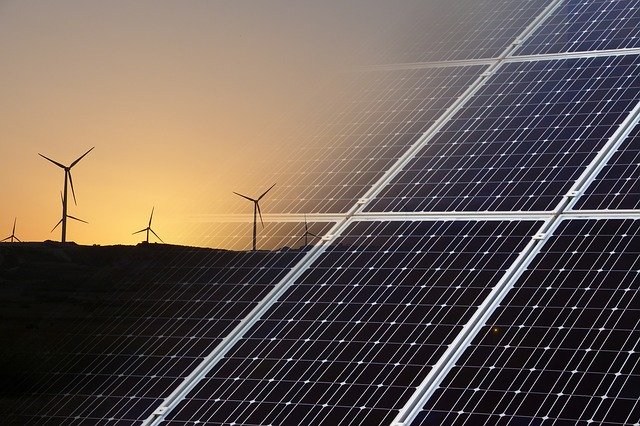
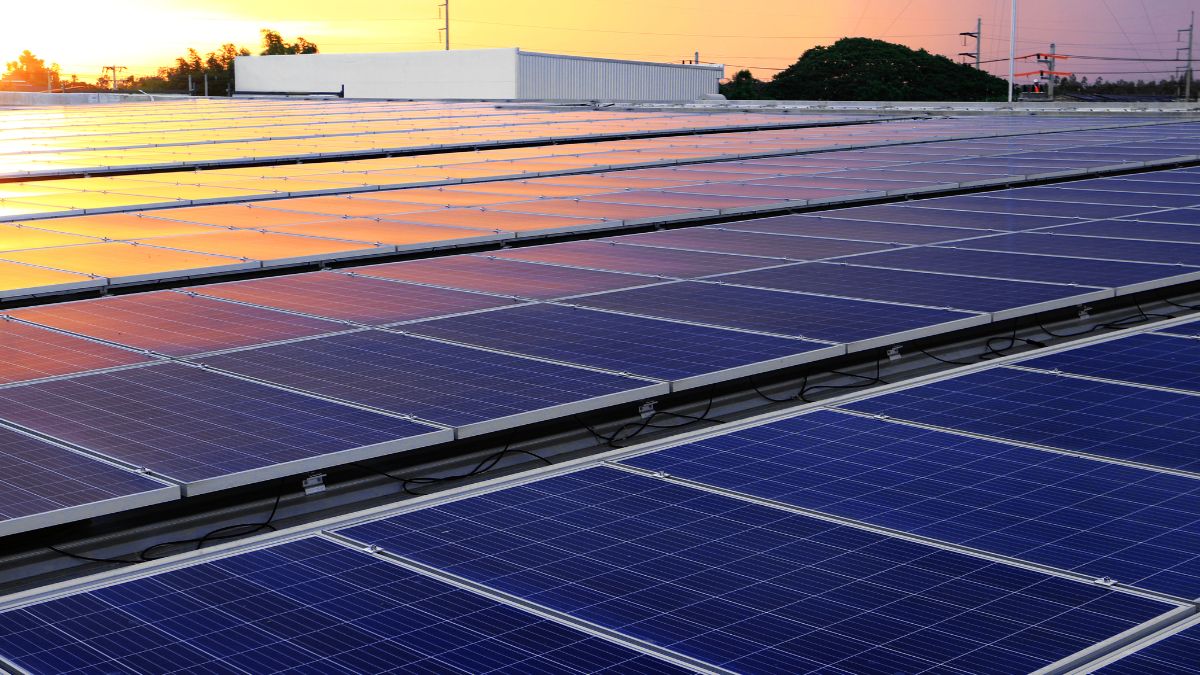
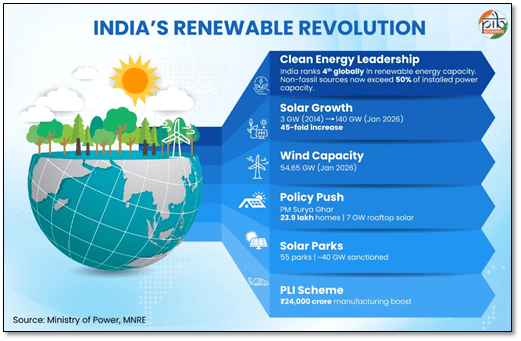
India now ranks fourth globally in total installed renewable energy capacity, according to the International Renewable Energy Agency (IRENA). Solar capacity has grown sharply from 3 GW in 2014 to 140 GW as of January 2026, pushing non-fossil fuel capacity beyond 50% of total installed electricity capacity.
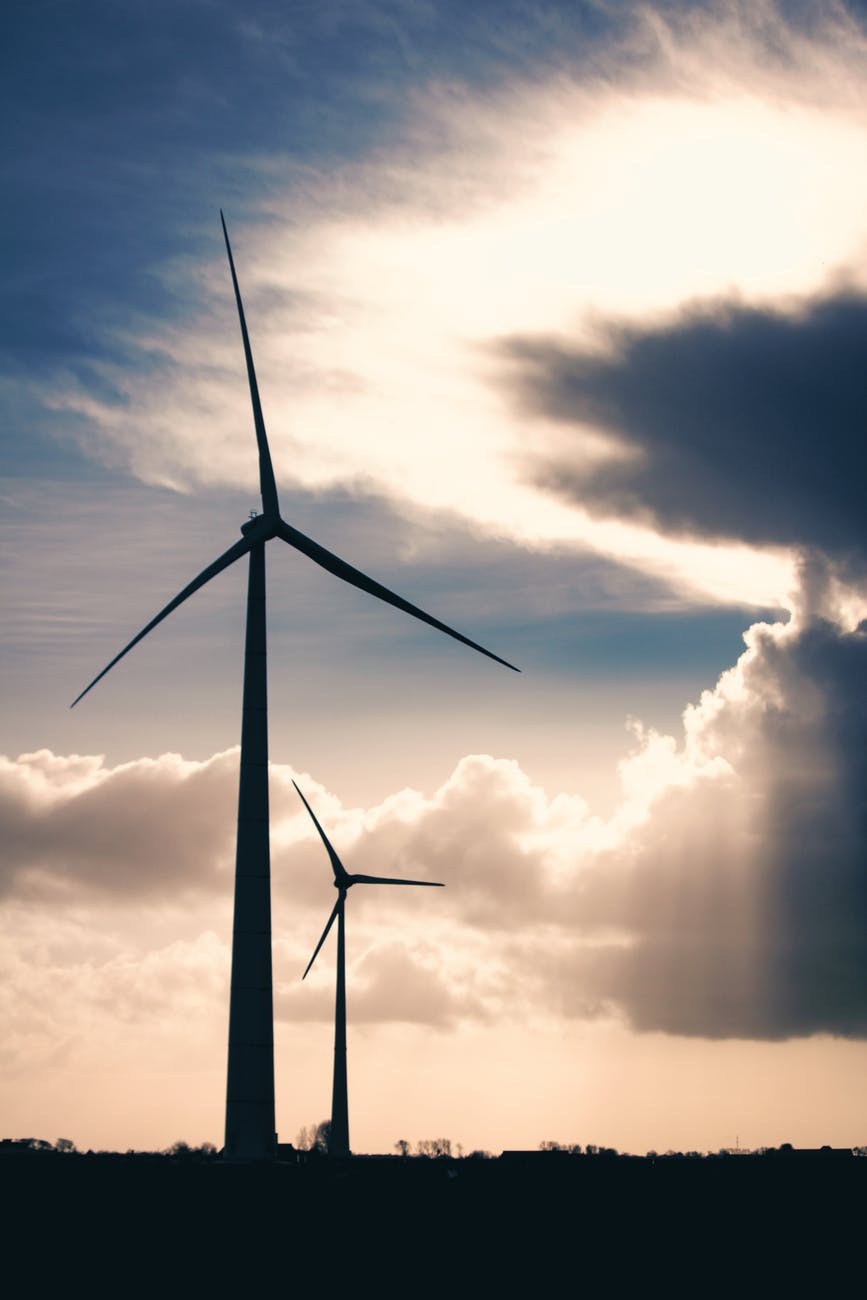
Wind energy capacity has reached 54.65 GW, reinforcing grid diversification alongside solar. Government-backed schemes such as PM Surya Ghar have enabled 23.9 lakh households to install rooftop solar systems, adding 7 GW of distributed capacity. The PM-KUSUM scheme continues to promote solarisation of agriculture, targeting 14 lakh standalone solar pumps by March 2026.
Additionally, 55 solar parks across 13 states have been approved with a sanctioned capacity of nearly 40 GW. The Production Linked Incentive (PLI) scheme, with an outlay of ₹24,000 crore, is supporting domestic solar manufacturing to reduce import dependence and strengthen supply chains.
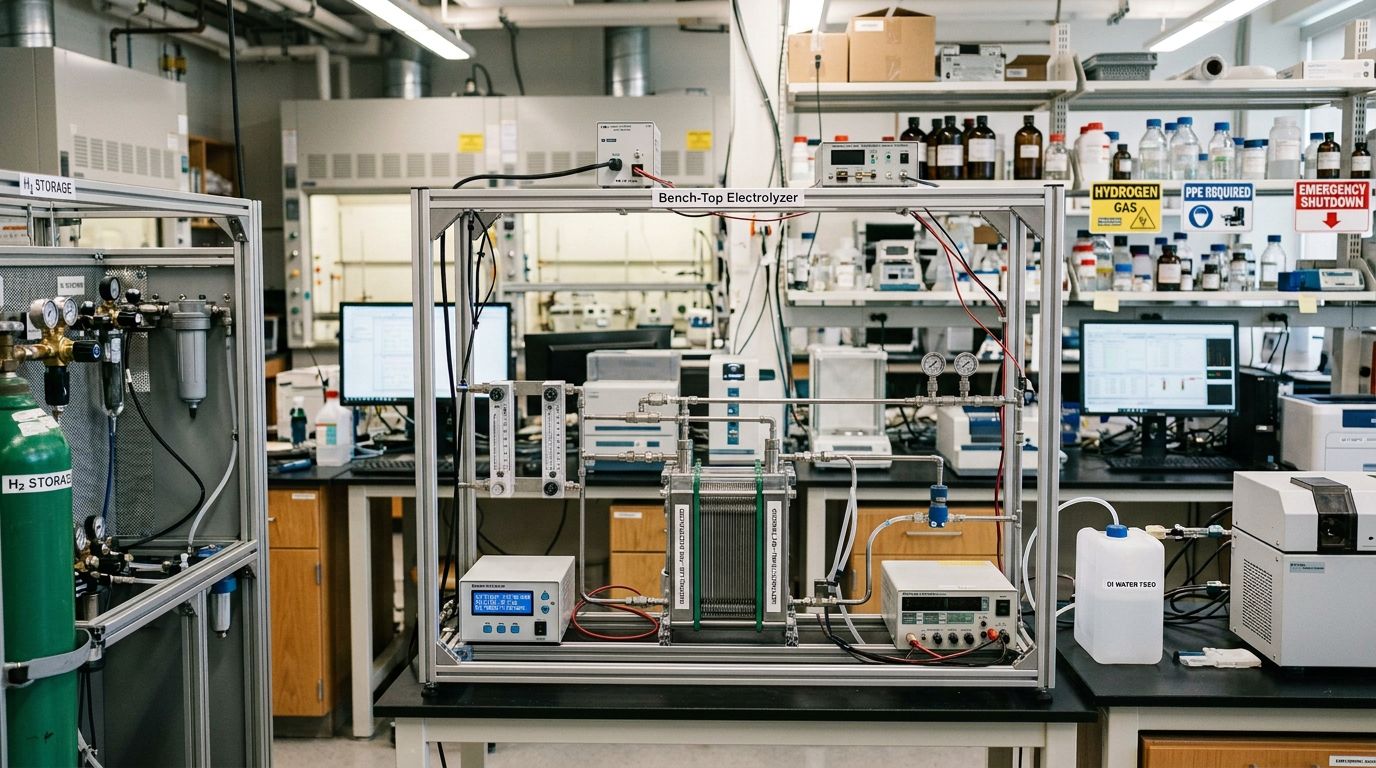
Under the National Green Hydrogen Mission launched in 2023, India aims to produce 5 million metric tonnes of green hydrogen annually by 2030. The mission is expected to attract investments exceeding ₹8 lakh crore, reduce fossil fuel imports by over ₹1 lakh crore and avoid nearly 50 MMT of greenhouse gas emissions annually by 2030.
The government has approved ₹19,744 crore for the mission through FY 2029–30, including ₹17,490 crore under the SIGHT programme to incentivise electrolyser manufacturing and hydrogen production. Pilot projects include India’s first port-based green hydrogen facility and hydrogen mobility trials across 10 routes.
India’s nuclear capacity currently stands at 8.78 GW and is projected to rise to 22.38 GW by 2031–32. A long-term Nuclear Energy Mission envisions scaling capacity to 100 GW by 2047.
The Sustainable Harnessing and Advancement of Nuclear Energy for Transforming India (SHANTI) Act, 2025, modernises the nuclear legal framework, enables limited private participation under regulatory oversight and strengthens safety and liability provisions. The government has also allocated ₹20,000 crore for Small Modular Reactor (SMR) development, targeting at least five indigenously designed SMRs by 2033.
India has transitioned from the Perform, Achieve and Trade (PAT) scheme to the Carbon Credit Trading Scheme (CCTS), assigning emission intensity targets to industries and enabling trading of carbon credits to incentivise efficiency improvements.
At the consumer level, the UJALA programme has distributed 36.87 crore LED bulbs, resulting in annual energy savings of 47,883 million kWh and a reduction of 3.88 million tonnes of CO₂ emissions.
Under DDUGJY, IPDS and SAUBHAGYA, approximately ₹1.85 lakh crore has been invested to upgrade distribution infrastructure, electrifying 18,374 villages and providing connections to 2.86 crore households.
The Revamped Distribution Sector Scheme (RDSS), launched in 2021 with an outlay of ₹3.03 lakh crore, has approved projects worth ₹2.8 lakh crore to modernise infrastructure and implement smart metering. To date, 5.62 crore smart meters have been installed nationwide.
The proposed Electricity (Amendment) Bill, 2026 and Draft National Electricity Policy, 2026 aim to strengthen financial viability, improve competitiveness and ensure reliable 24×7 quality power.
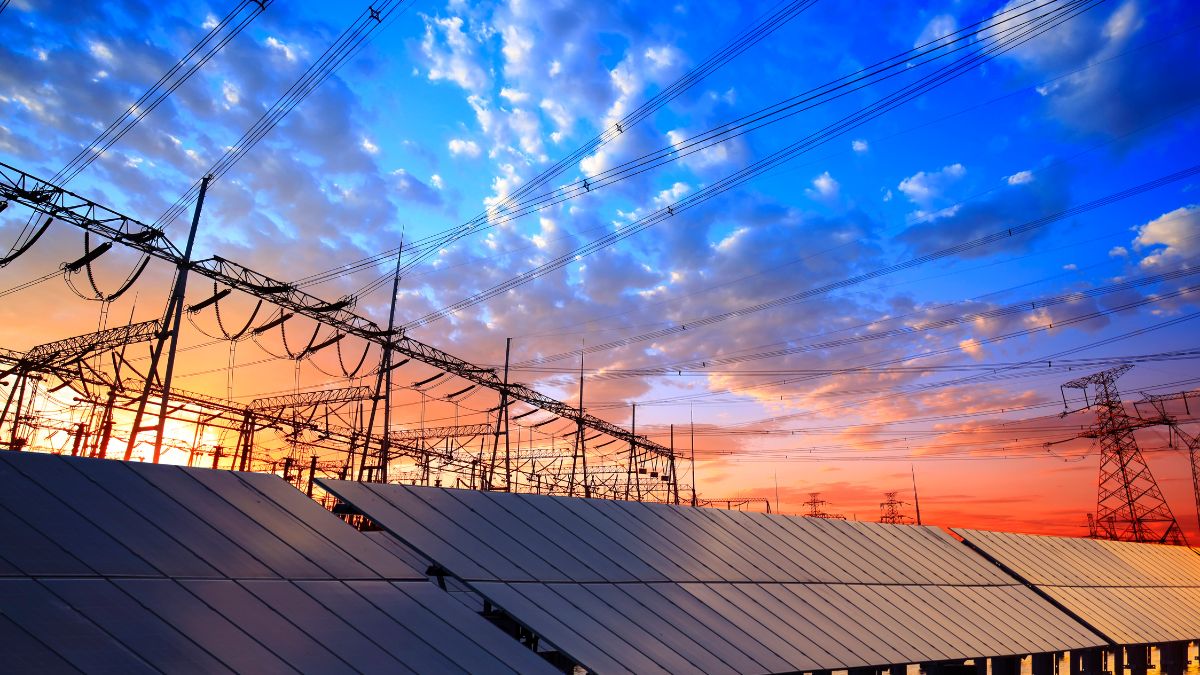
The India Energy Stack (IES), designed as a Digital Public Infrastructure, seeks to standardise data exchange, enable consent-based data sharing and support monetisation of distributed energy assets such as rooftop solar, batteries and EV chargers.
Internationally, India continues to shape global clean energy dialogue through platforms such as the G20 Energy Transitions Working Group and the Global Biofuels Alliance. The country has committed under the UNFCCC framework to achieve Net Zero emissions by 2070 and reduce emissions intensity of GDP by 45% by 2030.
Through initiatives such as the International Solar Alliance and India Energy Week, India is reinforcing its role as a global convenor in renewable energy cooperation and transition strategies.
India’s energy transition reflects a calibrated and multi-layered approach that integrates renewable expansion, industrial decarbonisation, nuclear baseload capacity, efficiency measures, distribution reforms and digital innovation. The evolving energy mix is positioned to support economic growth, strengthen energy security and advance sustainability goals in the decades ahead.
Subscribe to get the latest posts sent to your email.