By
8 min ago 2 min read
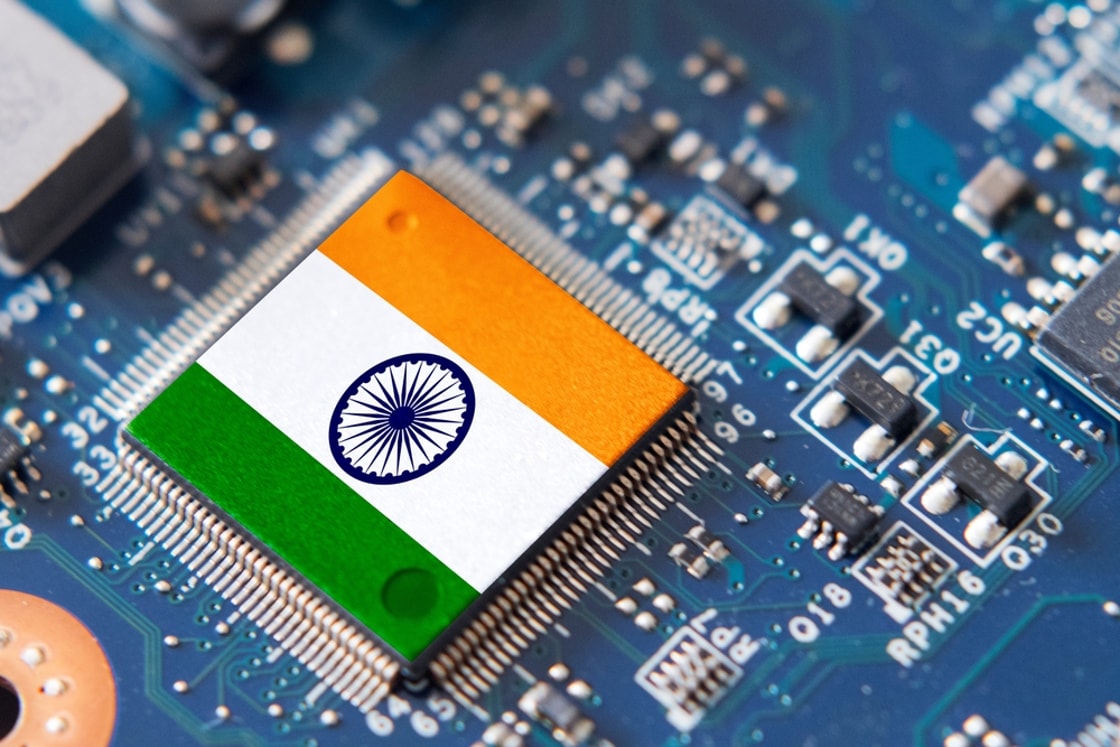
India Prime Minister Narendra Modi has announced two new semiconductor plants and launched the expanded India Semiconductor Mission 2.0 on the opening day of Semicon India 2026 in New Delhi.
The plants are planned for Surat and Mohali, building on earlier approved projects such as Crystal Matrix’ facility in Dholera and Suchi Semicon’s in Surat. It raises the total number of projects to 14.
India’s wider semiconductor ecosystem is shifting from approvals to active commercial production, with early plants by Micron and Kaynes Semicon already operational.
In another major boost, US semiconductor equipment maker LAM Research has committed investment of ₹10,000 crore ($1.19bn) to set up the country’s first semiconductor component manufacturing unit, with plans to use India as an export hub, according to Indian media reports.
It marks another key development as the country strives to become a global hub for semiconductor manufacturing, component supply chains, and advanced engineering.
While the Semicon 1.0 mission, launched in 2021, focused heavily on jump-starting basic manufacturing, chip fabrication plants (fabs), and assembly units, Semicon 2.0 expands the vision to build a complete, self-reliant domestic ecosystem.
India’s semiconductor industry faces major challenges including massive capital requirements, severe infrastructure demands, and a shortage of specialised fabrication talent.
The three-day event is expected to attract around 50,000 visitors with delegations from 52 countries.
Exhibitors include INOX Air Products, whose will supply ultra-high-purity gases for the semiconductor industry. It is due to come on stream late 2026 or early 2027. Other leading firms registered include Air Liquide India and Linde India.
Last month it was announced an advanced is to be built in Visakhapatnam, Andhra Pradesh, as part of India’s drive to address what has been described as a critical gap in the country’s semiconductor value chain.