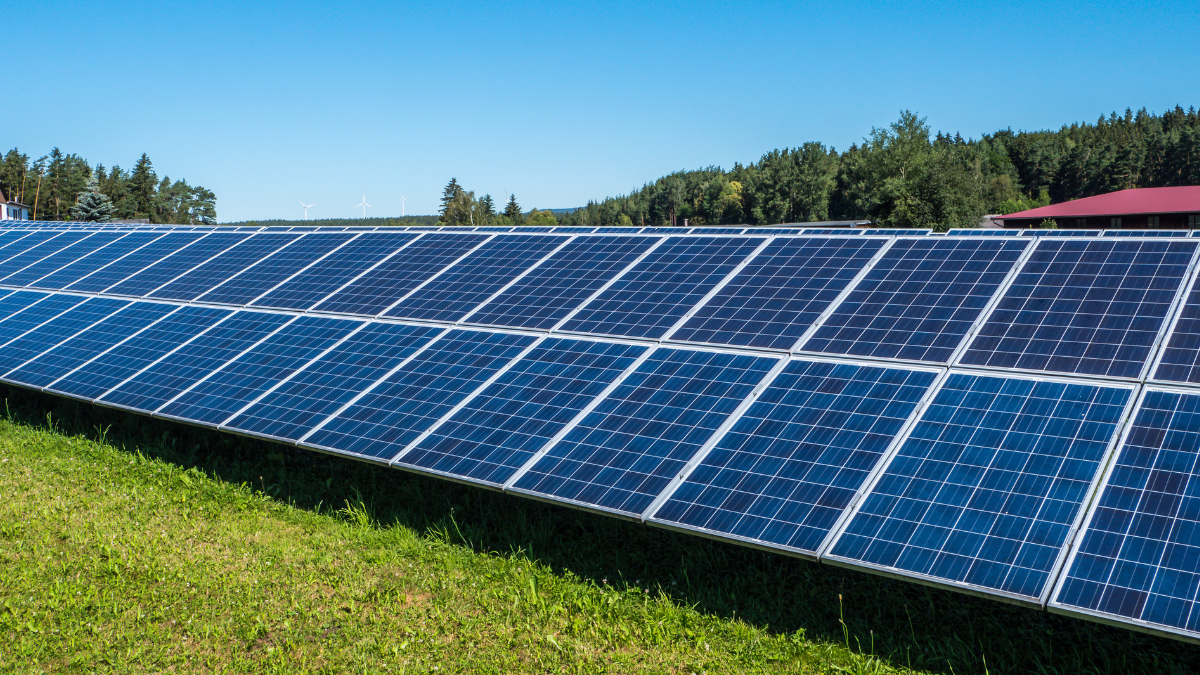
India has made strong progress in the renewable energy sector, with solar power becoming the leading force in this shift. By the end of October 2025, the country had installed 129,923.82 megawatts (MW) of solar photovoltaic (PV) capacity. This figure represents over 64.87 percent of the total renewable energy capacity in India, excluding large hydro projects. The growth has been driven by steadily falling solar panel prices, improvements in technology, sustained government policies, and rising public awareness of clean energy.
In the first ten months of 2025 (January to October), India added 32,059.10 MW of new solar capacity. In October alone, 2,591.53 MW of solar capacity was added, a 2.04 per cent increase compared to the previous month. Wind energy growth was also positive, with 476.12 MW added in October. These additions show the country’s commitment to scaling up renewable power and reducing its reliance on fossil fuels.
As of October 2025, the cumulative renewable energy capacity in India (excluding large hydro) stood at 200.293 gigawatts (GW). Out of this, solar and wind together accounted for about 183.523 GW, which is more than 91.63 percent of the total non-large hydro renewable mix. Among the solar segment, ground-mounted solar systems remain dominant with 98.72 GW installed. Rooftop solar systems have reached 22.42 GW, showing increasing adoption among households, industries, and commercial establishments. Solar-wind hybrid projects are also becoming more common, with a capacity of 3.33 GW, helping improve land use and transmission efficiency. In addition, off-grid solar systems—covering solar lanterns, water pumps for agriculture, mini-grids—have exceeded 5.45 GW, bringing more reliable clean power access to rural parts of the country and helping replace diesel-based generation.
Government-led measures have played a key role in supporting this growth. The Production-Linked Incentive (PLI) scheme has promoted domestic manufacture of solar equipment, reducing dependence on imports. The Approved List of Models and Manufacturers (ALMM) policy was reintroduced on 1 April 2024, mandating that government-supported projects use only certified solar modules. From 1 June 2026, the rule will extend to solar PV cells as well, boosting efficiency and performance standards.
There are also broader policy improvements: for example, India reduced the Goods and Services Tax (GST) on solar PV modules and wind turbine generators from 12 percent to 5 percent.
This tax reduction is expected to lower plant capital costs and encourage even faster deployment of renewables. On the deployment front, India installed about 29.5 GW of solar capacity in the first three quarters of 2025, a year-on-year increase of around 70 percent.
Despite this strong growth and positive outlook, challenges remain. One major challenge is land acquisition for large solar parks, which is becoming more difficult in many regions. Grid integration of variable solar power also needs improvement, with better transmission infrastructure and balancing technologies required. Additionally, while manufacturing capacity is expanding, global trade dynamics and supply-chain issues pose risks. For example, higher import duties in the U.S. have redirected some module supplier interest to India, increasing availability and reducing panel prices—but this also raises questions about export markets and global competition.
Overall, India continues to strengthen its position as a global leader in renewable energy. The pace of solar deployment, policy support, growing manufacturing base, and increasing adoption across rooftops, ground-mounted systems, and off-grid solutions paint a very promising picture. For the country to meet its 500 GW non-fossil installed energy capacity target by 2030, the continued momentum will be essential, along with addressing the remaining bottlenecks.

Subscribe to get the latest posts sent to your email.