

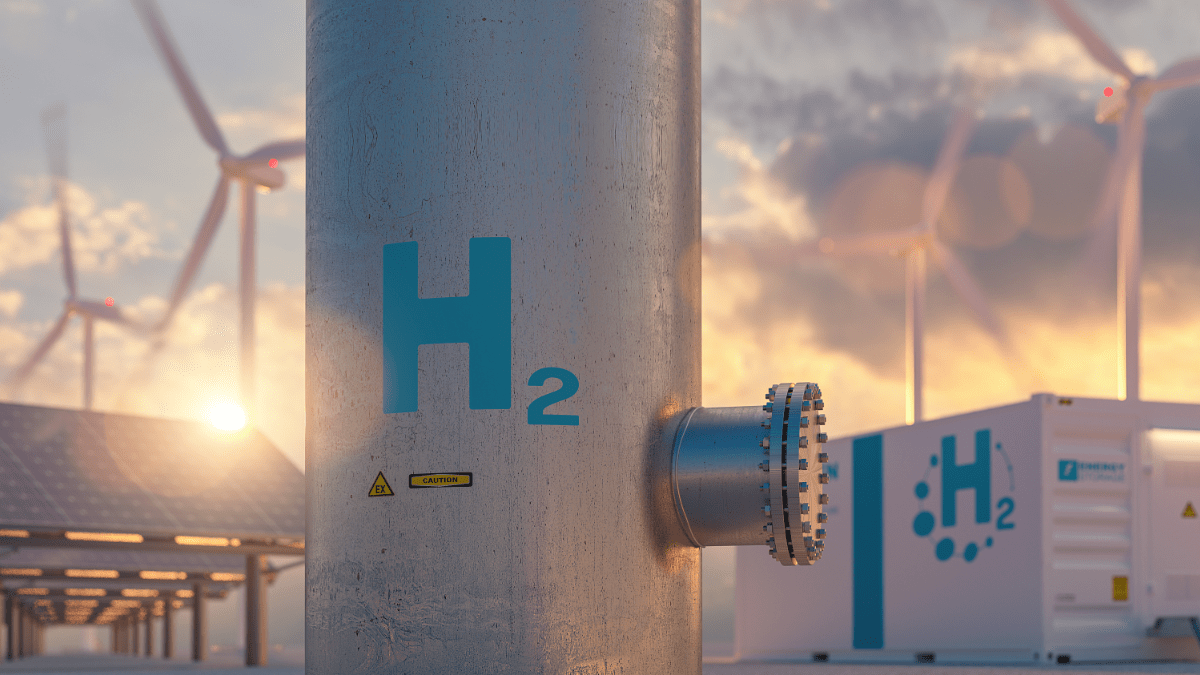
India’s green hydrogen sector is poised for significant growth with the launch of the National Green Hydrogen Mission in January 2023. The country is targeting a production capacity of 5 MMTPA by 2030 from less than 1 MTPA currently. The sector presents a ₹10 lakh crore opportunity and could reduce fossil fuel imports by ₹1 lakh crore. The push toward green hydrogen aligns with India’s commitment to achieve net-zero emissions by 2070. Electrolyser capacity, which is currently under 1 GW, is expected to reach 20 GW by 2030. A strong policy framework is also driving this transformation. Various Indian states, including Maharashtra, Gujarat, Rajasthan, Karnataka, and Uttar Pradesh, have announced supportive policies offering benefits like electricity duty exemptions and classifying projects under the ‘white category’ for faster clearances.
The government has rolled out financial incentives through schemes such as the SIGHT program. Under Component II for green hydrogen production, and Component I for electrolyser manufacturing, SECI has issued tenders allocating ₹13,050 crore and ₹4,440 crore respectively till FY2030. The National Hydrogen Policy also grants ISTS charge waivers for 25 years for projects commissioned before December 31, 2030, and ensures priority connectivity. Open access for renewable energy is granted within 15 days, banking is allowed for 30 days, and exemptions from cross-subsidy surcharges have been included to support the developers.
Green ammonia, primarily used in fertilizers, is gaining traction as a key derivative of green hydrogen. It is less flammable, easier to store, and 60–70% cheaper to transport than green hydrogen. India’s total ammonia consumption stands at 22 MMT as of FY24, and global demand is expected to increase from 183 MMT in 2021 to 680 MMT by 2050. The cost of green ammonia is currently around $810 per tonne, compared to $700 per tonne for grey ammonia. However, with falling renewable tariffs and economies of scale, this gap is narrowing.
Incentives under the Production Linked Incentive scheme include up to ₹5,258 crore for technology-agnostic hydrogen production and ₹3,404 crore for electrolyser manufacturing using any stack. SECI awarded over 8,58,500 MTPA capacity to various developers under the green hydrogen category and about 2,300 MWPA electrolyser capacity. Partnerships and deals across the value chain are also picking up momentum, with collaborations covering everything from mobility and industrial applications to export markets.
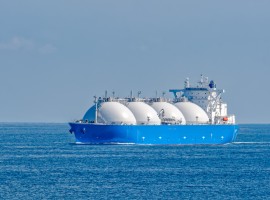
India’s ports are being prepared for exports with bunkering facilities planned in Gujarat, Tamil Nadu, Andhra Pradesh, and Odisha to enable large-scale green ammonia and hydrogen storage. Entities like NTPC, Avaada, Hero Future Energies, and Greenzo are among the key players involved in domestic production and global partnerships. The government is actively promoting export corridors and hydrogen hubs to strengthen India’s position as a global hub for green hydrogen.
Despite challenges like high costs, underdeveloped infrastructure, and the intermittent nature of renewable energy, India’s green hydrogen sector remains scalable and sustainable. Technological improvements, policy support, and falling costs are expected to drive future investments and ensure the long-term viability of green hydrogen in achieving India’s clean energy .



)