Electricity generation from non-hydrocarbon sources in India is moving closer to 33% of the total, the country’s Central Electricity Authority reported, as cited by the Times of India.
Over the period between April and September, power output from hydro, nuclear, wind, and solar installations accounted for 31.3% of the total, up from 27.1% a year earlier. Of that, large hydropower plants booked a 13.2% increase in generation, while the rest of the low-carbon capacity, excluding nuclear, posted an increase of 23.4%, the data showed. Nuclear power output booked a decline of 3.7% on the year.
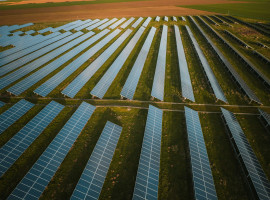
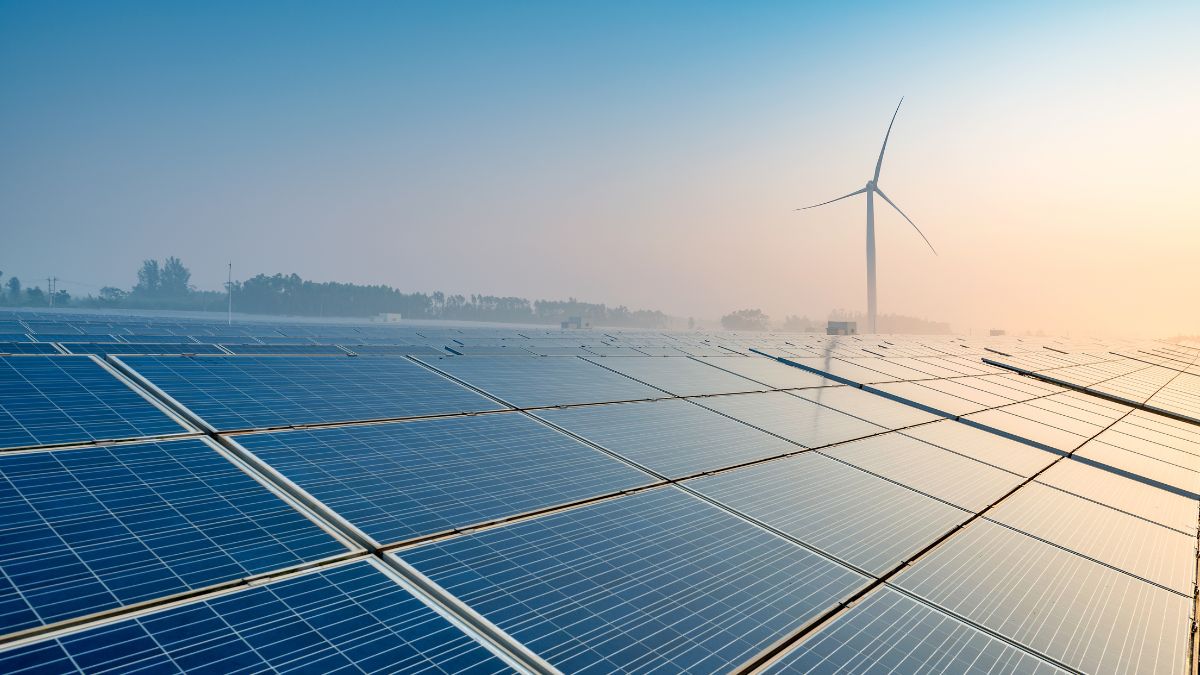
The report noted that India’s installed capacity of non-hydrocarbon generation sources had topped 250 GW, which is half of the planned 500 GW in total by 2030. Of that, 127 GW was solar capacity and 53 GW was wind capacity.
India has significant ambitions in non-hydrocarbon generation, but a recent update to power market rules may interfere with developers’ plans. The changes concern mandates for power supply deliveries to the grid, essentially obliging wind and solar operators to supply exactly as much as they say they would supply, as do conventional power generators.
This prompted a reaction from the wind power industry, Reuters reported earlier this month, with executives warning this could hurt their bottom lines since their output depends on the weather and cannot be changed at will. The same is true of solar installations.
Earlier this month, the chairman of the Central Electricity Authority warned that the surge in wind and solar installations was leading to soaring transmission costs as the country’s transmission network is being built on estimates of potential renewable power generation, not on actual capacity or demand.
India was struggling to accommodate the massive wind and solar capacity buildout, which could lead to developers installing renewable energy generation capacity that cannot be transmitted or sold, Ghanshyam Prasad explained, adding that the country needed to continue investing in baseload generation capacity as well in order to maintain grid stability.
By Irina Slav for Oilprice.com
More Top Reads From Oilprice.com
- Oil Prices Under Pressure Despite Trump’s Venezuela Threats
- Duke Energy Crushes Q3 Earnings Estimates on Strong Sales
- Petrobras Readies Next Buzios Platform After Record Output