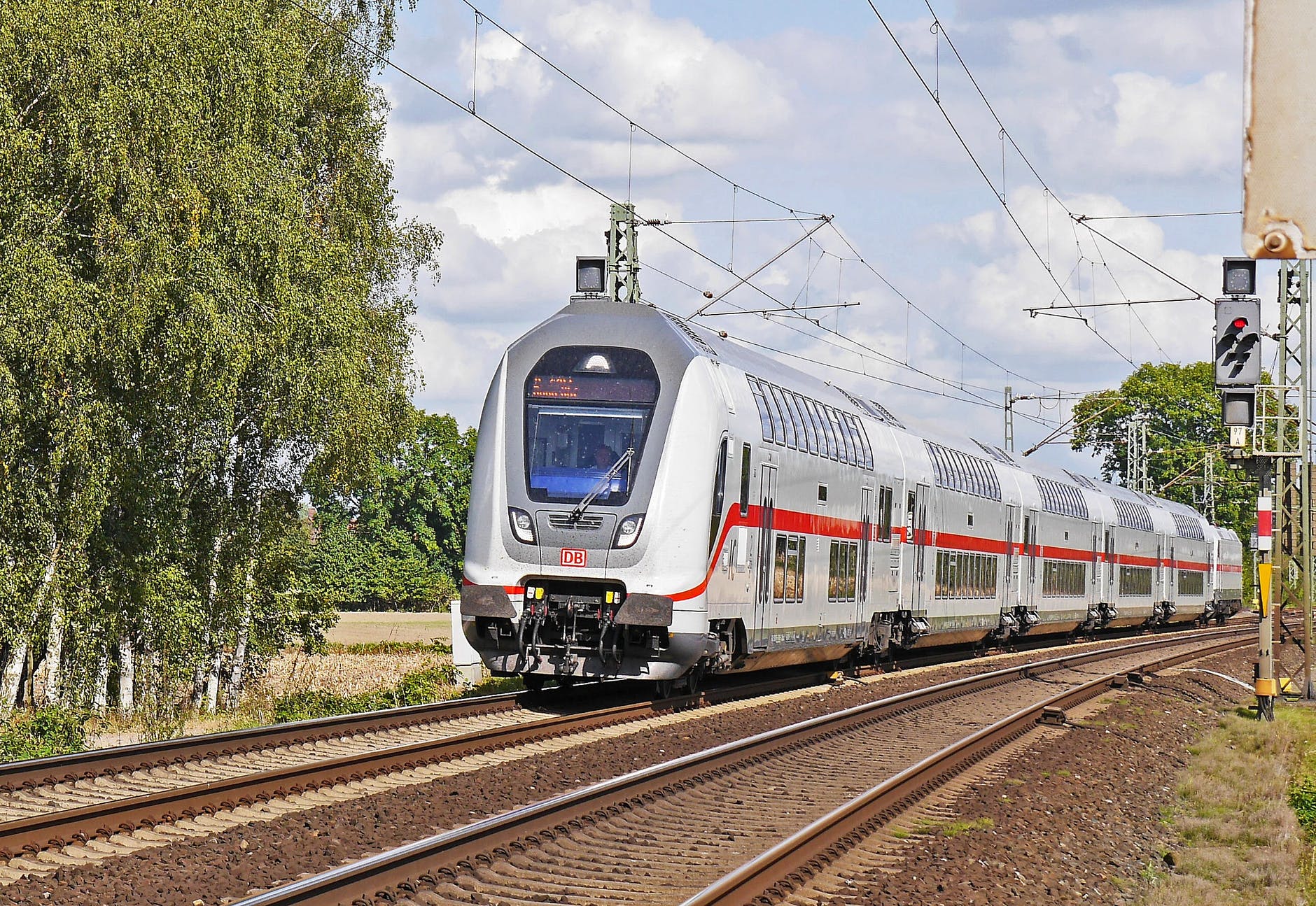
India’s First Hydrogen Train Pilot Run Set to Begin, Supporting Green Hydrogen and Rail Decarbonisation Goals

Representational image. Credit: Canva

India is set to advance its low-carbon transport agenda with the pilot run of the country’s first hydrogen-powered train expected to begin soon. The initiative is being undertaken by Indian Railways as part of its efforts to reduce emissions on non-electrified rail routes and lower dependence on diesel fuel.

The hydrogen train has been developed by Integral Coach Factory (ICF), Chennai, and will be tested on the Jind–Sonipat section in Haryana. Supporting infrastructure, including hydrogen production, storage, and refuelling facilities, has been established along the route to enable trial operations. The pilot phase will focus on validating operational safety, system performance, and long-term reliability.

Powered by hydrogen fuel-cell technology, the train generates electricity onboard and emits only water vapour during operation. With an engine output of around 1,200 horsepower, it is expected to be among the most powerful hydrogen-powered trains currently under development worldwide. The project is aimed at replacing diesel traction on select routes while maintaining operational efficiency.

From a policy perspective, the pilot aligns with the objectives of the National Green Hydrogen Mission, which seeks to promote hydrogen adoption across multiple sectors. The initiative is also expected to support domestic manufacturing and stimulate demand for hydrogen production and storage infrastructure, reinforcing Indian Railways’ target of achieving net-zero carbon emissions by 2030.
 

  • Related Posts

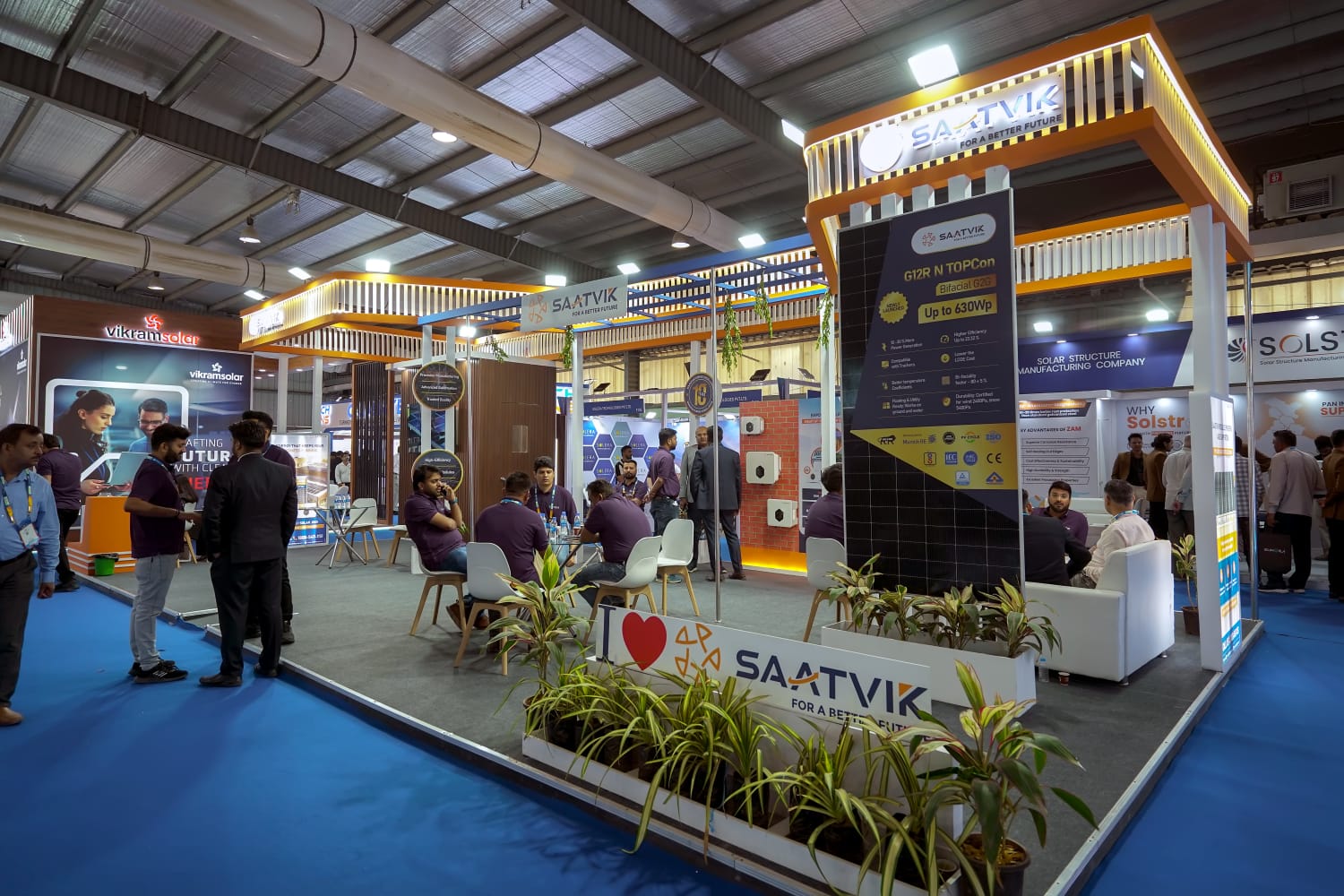
    Saatvik Solar Displays Comprehensive Solutions at The smarter E India

    Saatvik Solar recently participated in The smarter E India 2026, held from February 25–27, 2026 at the Helipad Exhibition Centre. Visitors engaged with the Saatvik team at Booth E111 –…

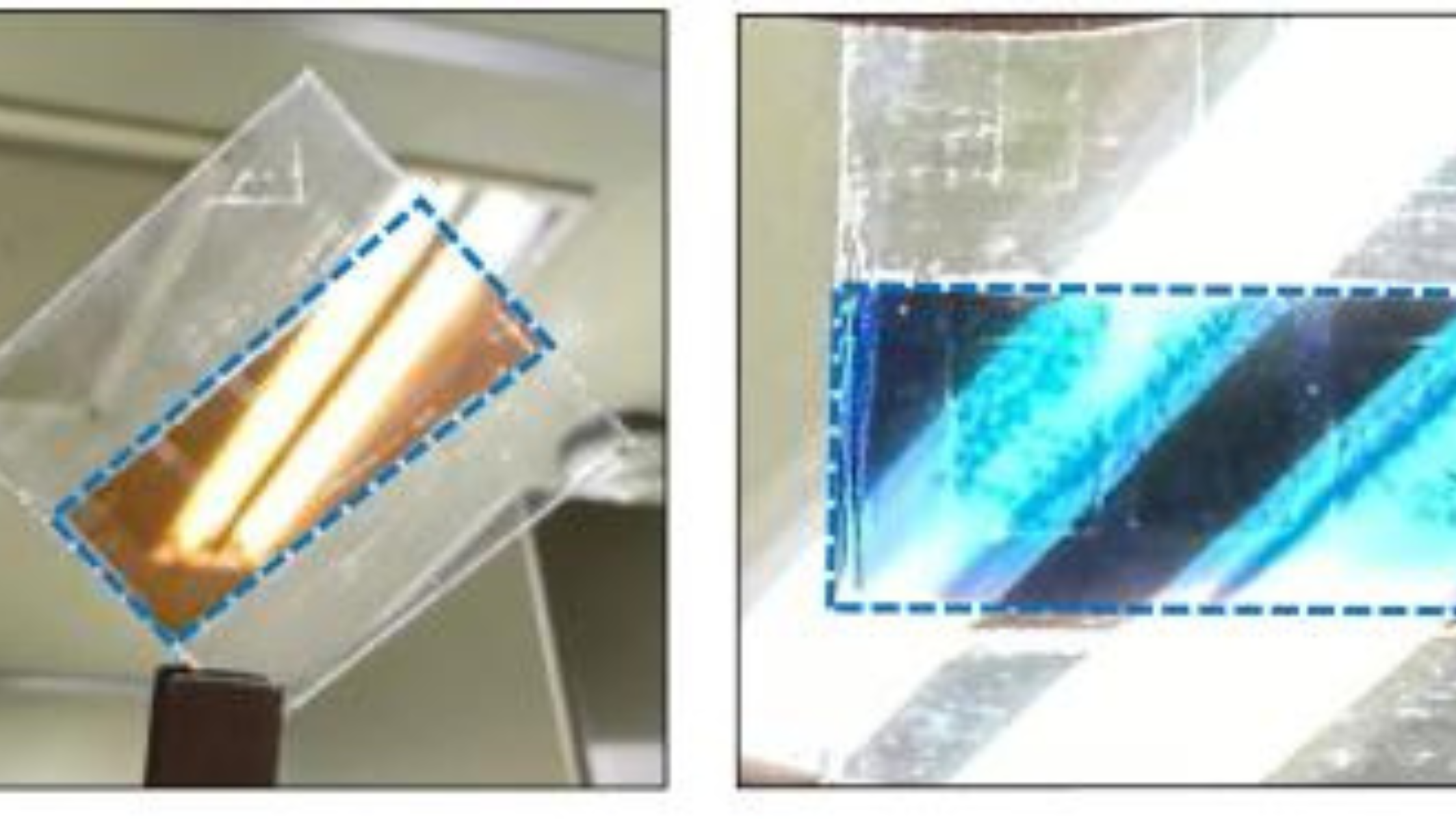
    AI-Driven Inverse Design Enables Full-Color, High-Efficiency Semitransparent Perovskite Solar Cells

    Photographs of semitransparent PVSK PVs. Left: uncoated Right: ZnS/MgF2-coated. Image from: Opto-Electronic Advances Researchers from Kyung Hee University and Hyundai Motor Group have developed an AI-driven inverse design strategy enabling…

    Have You Seen?

    Japan studies bio-based CO2 liquefaction from waste incineration

    • March 4, 2026
    Japan studies bio-based CO2 liquefaction from waste incineration

    Solar chemistry moves NASA closer to lunar oxygen production

    • March 4, 2026
    Solar chemistry moves NASA closer to lunar oxygen production

    Helium supply confidence rocked by Gulf conflict

    • March 4, 2026
    Helium supply confidence rocked by Gulf conflict

    Oil Prices up 1% as Iran Crisis Disrupts Middle East Supply

    • March 4, 2026
    Oil Prices up 1% as Iran Crisis Disrupts Middle East Supply

    JP Morgan Warns of Catastrophic Oil Supply Loss from Middle East War

    • March 4, 2026
    JP Morgan Warns of Catastrophic Oil Supply Loss from Middle East War

    Oil, Fuel Contracts Break Records on Surging Prices

    • March 4, 2026
    Oil, Fuel Contracts Break Records on Surging Prices

    Analyst Outlines 2 Potential Scenarios for Conflict

    • March 4, 2026
    Analyst Outlines 2 Potential Scenarios for Conflict

    Saatvik Solar Displays Comprehensive Solutions at The smarter E India

    • March 4, 2026
    Saatvik Solar Displays Comprehensive Solutions at The smarter E India

    AI-Driven Inverse Design Enables Full-Color, High-Efficiency Semitransparent Perovskite Solar Cells

    • March 4, 2026
    AI-Driven Inverse Design Enables Full-Color, High-Efficiency Semitransparent Perovskite Solar Cells

    Shipping and trade lawyers’ workloads rise as Gulf crisis disputes soar

    • March 4, 2026
    Shipping and trade lawyers’ workloads rise as Gulf crisis disputes soar