India has made significant progress in its power sector over the last decade, improving electricity access, increasing renewable energy capacity, and enhancing energy efficiency. According to Union Minister Shri Manohar Lal, the government aims for 100% electrification of households, ensuring power accessibility for all citizens at all times.
Electricity supply in rural areas has increased from 12.5 hours in 2014 to 22.6 hours in 2025, while urban areas now receive an average of 23.4 hours of electricity. Several government initiatives, such as the Deen Dayal Upadhyay Gram Jyoti Yojana (DDUGJY) and the Saubhagya scheme, have played a crucial role in improving access to power, particularly in tribal and border regions.
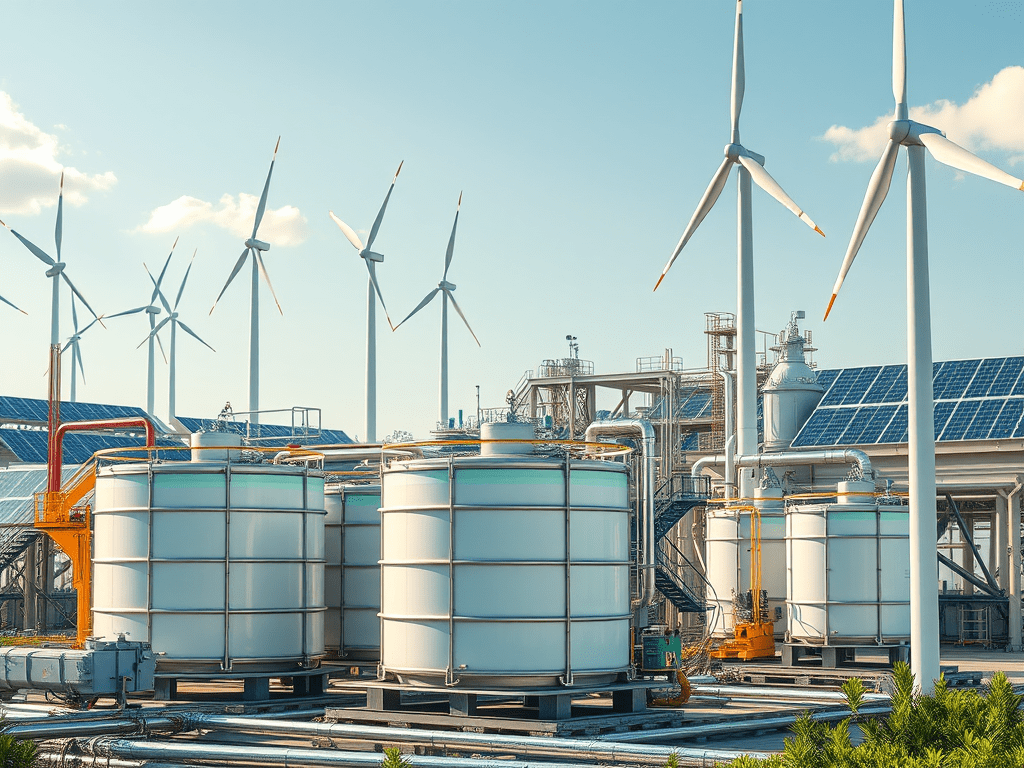
In terms of power generation, fossil fuel-based capacity has grown from 168 GW in 2014 to 246 GW in 2025, marking a 46% increase. Non-fossil fuel capacity, including renewable energy sources, has increased from 80 GW in 2014 to 220 GW in 2025, showing a remarkable 180% growth. This shift reflects the country’s commitment to reducing its reliance on fossil fuels and promoting clean energy.
The transmission network has also expanded significantly, growing from 2.91 lakh circuit kilometers (ckm) in 2014 to 4.92 lakh ckm in 2025. This increase ensures efficient electricity distribution across the country, reducing transmission losses and improving overall power stability.
India has transitioned from being a power importer to a net exporter of electricity. In 2014, the country imported 5,555 million units (MU) of power while exporting only 2,288 MU, resulting in a net import of 3,267 MU. By 2024, exports had risen to 8,576 MU against imports of 3,863 MU, making India a net exporter by 4,713 MU. In 2025, India’s net export stands at 1,625 MU, reinforcing its growing energy independence.
Power shortages have also significantly declined over the years. In 2014, the energy shortage was 4.2%, but by 2025, it has been reduced to just 0.1%. Efforts continue to close the remaining gap and ensure uninterrupted power supply across the country.
The performance of power distribution companies (DISCOMs) has improved, with Aggregate Technical and Commercial (AT&C) losses dropping from 22.62% in 2014 to 15% in 2025. The government aims to further reduce these losses to 10% by 2030 through better infrastructure, improved billing efficiency, and reduced power theft.
A significant push has been made towards smart metering, with 2.13 crore smart meters already installed. Additionally, 19.8 crore more smart meters, 52.5 lakh distribution transformers (DTRs), and 2.1 lakh feeders have been sanctioned for future installation to modernize the power grid.
India has also made significant strides in energy efficiency and carbon reduction. Since 2014, annual energy savings of 53 million tons of oil equivalent (MTOE) have been achieved, leading to a reduction of 321 million tons of CO2 emissions. Sustainable building codes have been introduced to enhance energy efficiency in commercial and residential buildings.
The transport sector is also shifting towards cleaner energy solutions. The government plans to install one lakh EV charging stations by 2030 to support electric vehicle adoption and reduce dependence on fossil fuels. This initiative aligns with India’s broader goal of promoting sustainable energy and reducing greenhouse gas emissions.