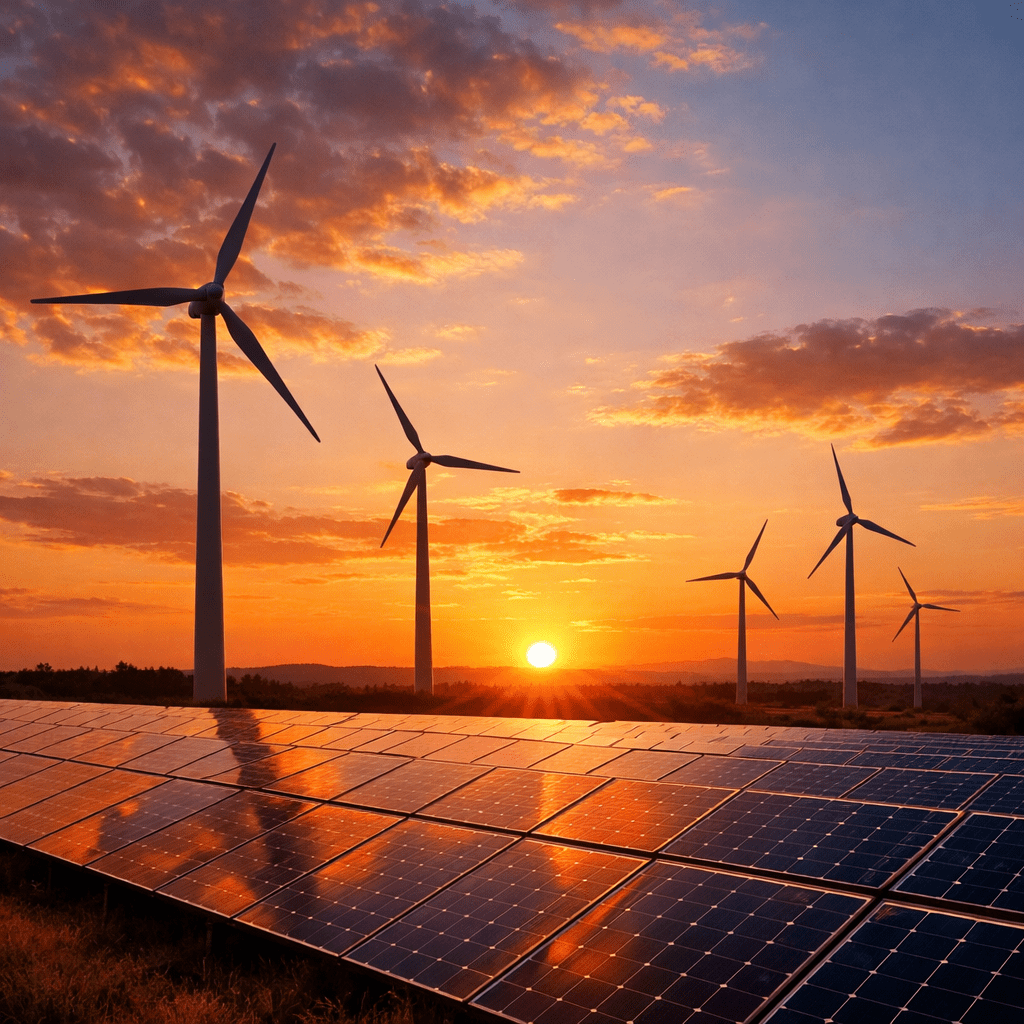
India has made impressive progress in its renewable energy journey, with solar power leading the way. By February 2025, the country’s total installed solar photovoltaic (PV) capacity had reached 102,566.02 megawatts (MW). This means that solar energy alone now makes up over 61% of India’s total renewable energy capacity, excluding large hydro projects. This achievement reflects India’s strong commitment to shifting towards cleaner sources of energy. The growth in solar power has been driven by a combination of factors, such as falling prices of solar panels, advances in technology, and supportive government policies. Private companies have also played an important role by investing heavily in solar projects, and people are now more aware of the benefits of renewable energy.
In February 2025, India added 2.236 gigawatts (GW) of new solar capacity, showing a rise of nearly 36% compared to the same month last year. This rapid increase highlights the country’s determination to build a sustainable energy future. The total installed capacity in February 2024 was around 74.57 GW. Within just a year, the increase to over 26.99 GW in solar shows remarkable speed and commitment. One reason for this growth is the government’s focus on encouraging domestic solar manufacturing. Policies such as the Production-Linked Incentive (PLI) scheme and the Approved List of Models and Manufacturers (ALMM) have been critical. The ALMM order was reinstated on April 1, 2024. It requires all government-sponsored solar projects to use certified solar modules. This ensures better quality and reliability in installations. From June 1, 2026, the ALMM order will also apply to solar PV cells, which is expected to further improve efficiency and performance across the industry.
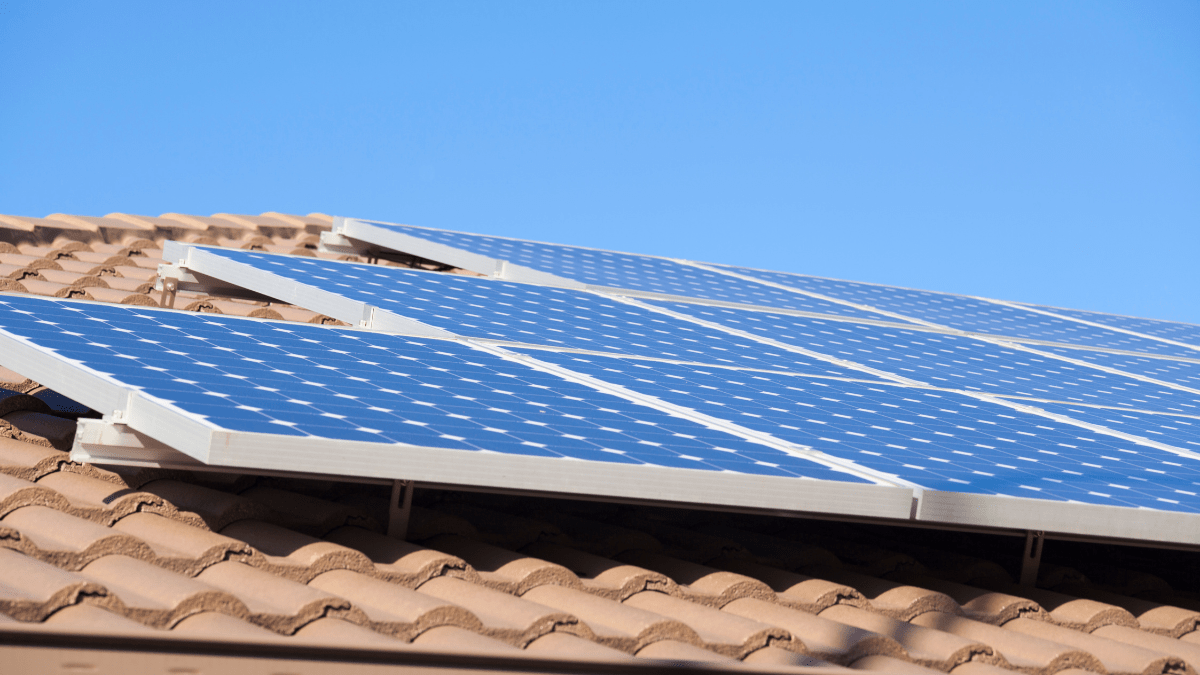
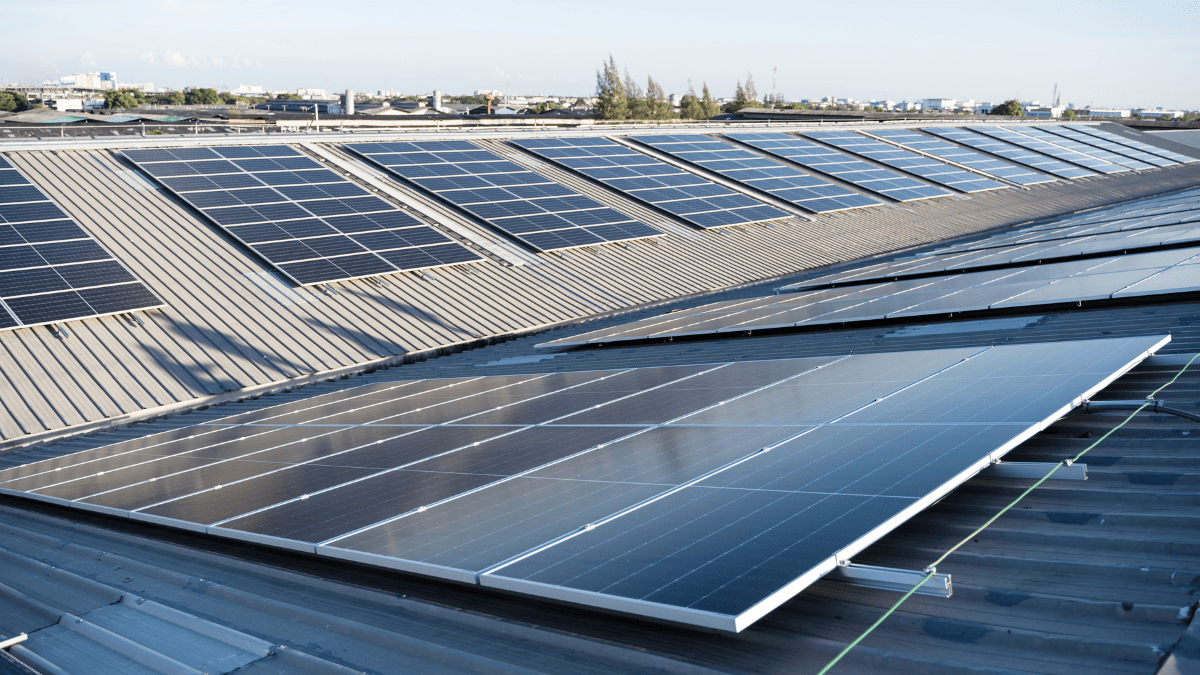
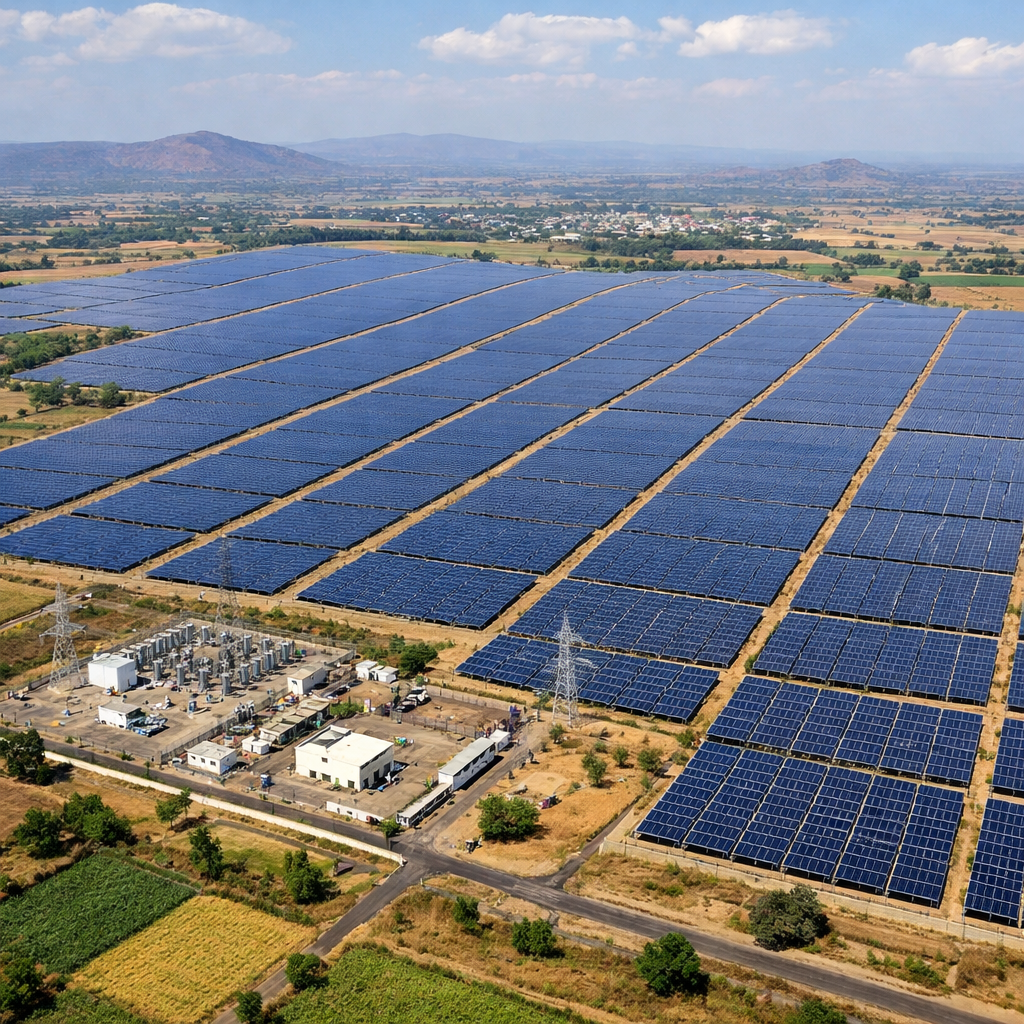
As of February 2025, India’s total renewable energy capacity, excluding large hydro projects, stands at 167.709 GW. Solar and wind energy together account for 151.154 GW, making up over 90% of this capacity. Within the solar segment, ground-mounted solar systems are the largest, with a total of 78.47 GW installed. Hybrid systems, which combine solar and wind power, add another 2.85 GW. Rooftop solar systems have also grown steadily, reaching 16.66 GW. Rooftop solar is becoming popular in homes, offices, and factories, offering an easy way to reduce electricity bills and increase energy security.

In rural areas, solar energy is improving lives. Off-grid solar systems such as lanterns, solar pumps, and microgrids provide electricity in remote regions where the power grid does not reach. These systems now have a combined capacity of 4.59 GW. They are helping villages reduce their dependence on expensive and polluting diesel generators.
While India has achieved major milestones in solar power, there are challenges ahead. Finding enough land for large solar farms is becoming difficult. Also, integrating large amounts of solar power into the national grid requires better infrastructure to ensure a stable and reliable supply. Investment in technology and local manufacturing is key to solving these problems. If India wants to keep its solar growth strong, careful planning and further policy support will be necessary.
Crossing the 100 GW solar capacity mark places India among the top solar energy producers in the world. The government’s focus on solar parks, rooftop solar schemes, and support for private sector participation has made this possible. By encouraging local manufacturing through schemes like PLI, India is also reducing its reliance on imported solar equipment. Looking ahead, India appears to be on track to meet its long-term renewable energy goals and strengthen its position as a global leader in solar energy.