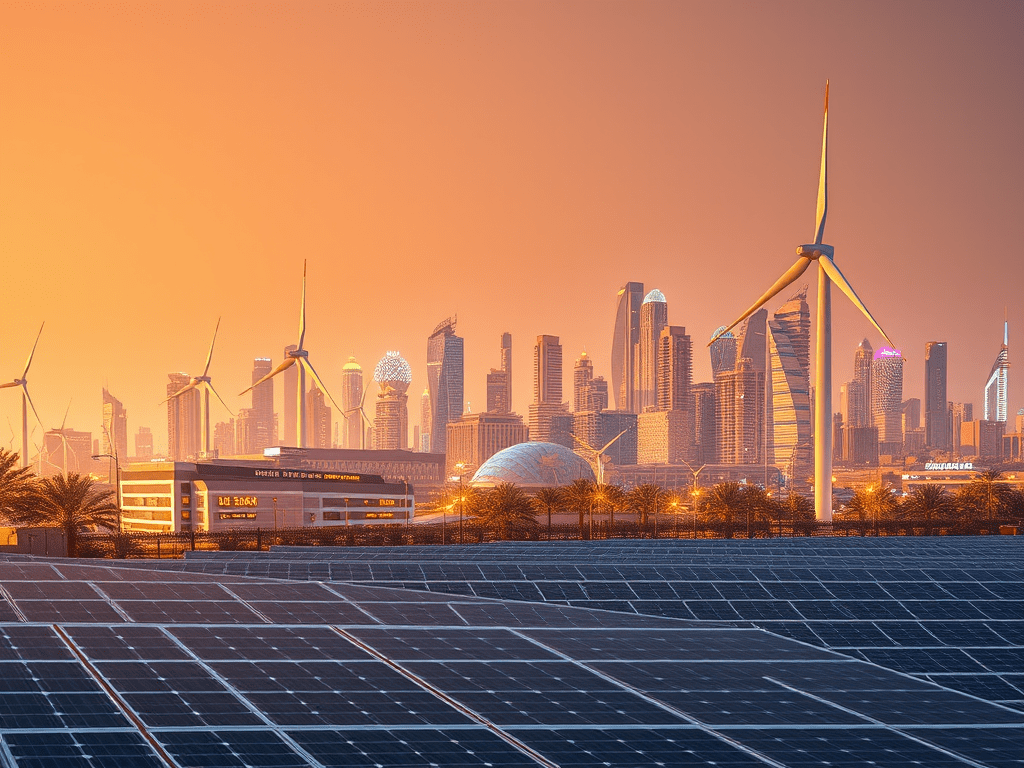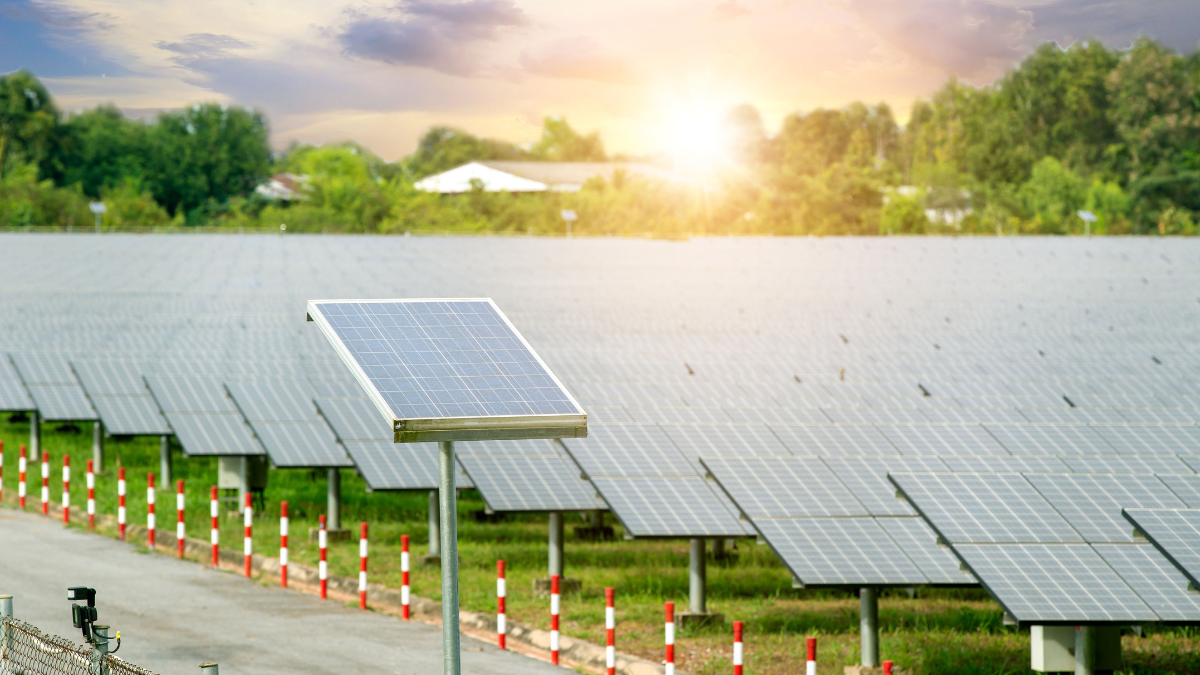
Indonesia is moving ahead with a major plan to expand its solar power capacity to 100 gigawatts (GW), marking a strong push toward energy independence. The idea was first proposed by Prabowo Subianto and is now entering the implementation stage under the leadership of Danantara. This initiative is part of the government’s broader aim to achieve energy self-sufficiency within the next four years, especially at a time when global tensions are affecting energy supply chains.
The plan focuses on reducing the country’s dependence on fossil fuels like diesel, coal, and gas, which still dominate Indonesia’s energy mix. As a starting point, the government is prioritizing an initial rollout of 13 GW. One of the key approaches is to promote village-level solar installations. Under this model, small solar plants of about 1 megawatt will be set up in individual villages to provide local electricity solutions. A pilot project has already been launched in Sumenep Regency, located in East Java, which will act as a testing ground before expanding the model across the country.
Despite the strong vision, the scale of the 100 GW target has raised concerns among industry experts. The plan is much larger than the 17.1 GW solar expansion currently included in the national electricity roadmap for 2025–2034. Some analysts believe that moving ahead with such a large project outside the existing plan may create policy gaps and make long-term planning more difficult. There are also technical challenges, particularly related to integrating such a large amount of solar power into the grid and ensuring that village-level demand is correctly estimated.
To address supply needs, the government is also investing in domestic manufacturing. Around $1.4 billion in foreign investment has been secured to build a solar panel factory within the country. This facility is expected to start operations by the end of 2026 and will have the capacity to produce up to 50 GW of solar components, helping reduce reliance on imports.
Even with these challenges, the government believes the 100 GW plan is essential. By combining large-scale solar expansion with local energy solutions, Indonesia aims to build a cleaner, more reliable, and self-sufficient energy system for the future.
Subscribe to get the latest posts sent to your email.