Indonesia faces significant financial requirements to decarbonize its captive power sector, with the Just Energy Transition Partnership (JETP) estimating that the country will need around $31 billion of investment by 2030 and a total of $92 billion by 2050. The captive power sector, which refers to electricity generation facilities developed by industries for their own use, has grown rapidly in recent years, particularly in industrial estates focused on nickel production.
According to the report by the Indonesian JETP Secretariat, captive power capacity reached 25.9 gigawatts (GW) in 2024, with over 75% of this capacity powered by coal. Currently, nearly 11 GW of new captive power projects are in various stages of development, and most of these projects are also expected to rely on coal as a primary fuel source. The report highlights the urgent need for investment to transition the sector toward cleaner energy solutions.
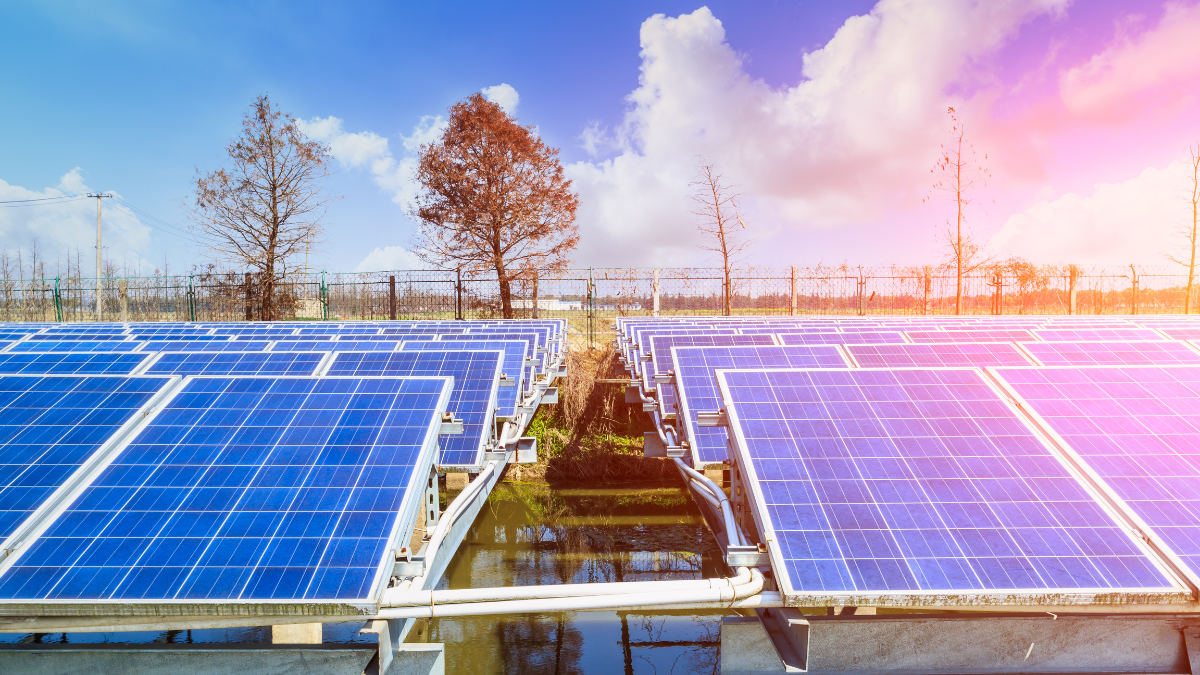
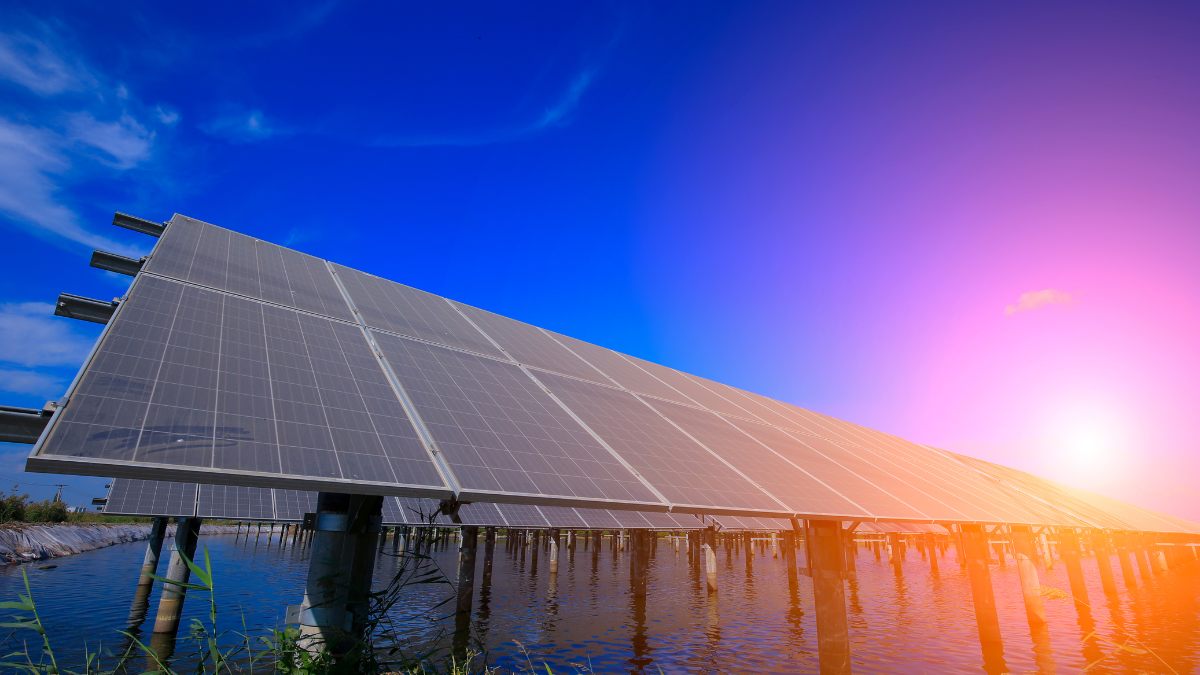
The investments projected to 2030 are primarily aimed at deploying renewable energy and battery storage systems, with solar photovoltaic (PV) and hydropower taking the lead. The also suggests switching to natural gas in some cases, improving energy efficiency, and enhancing the integration of renewables into captive power systems. By 2030, renewable energy is expected to account for 34% of captive generation, up from just 9% in 2024. This share is projected to increase to 55% by 2040 and over 80% by 2050, potentially resulting in a 75% reduction in carbon emissions compared with a baseline scenario.
Initially, Indonesia’s 2023 decarbonization policy under JETP did not include the captive power sector. The JETP was established as a G7-backed initiative to help developing nations reduce carbon emissions. However, earlier this year, the United States withdrew from its JETP agreements with Indonesia, South Africa, and Vietnam. Although the JETP Captive Scenario report is not legally binding, it is typically produced in collaboration with government officials and serves as a strategic guideline for investment and policy decisions.
Indonesia, which is among the world’s largest coal producers, has secured over $20 billion in financing pledges under the JETP framework. Nevertheless, the deployment of these funds has been slow. The report emphasizes that JETP funds alone represent only a fraction of the total investment required, and achieving the decarbonization targets will depend on mobilizing additional financing from diverse sources of capital.
In a related context, the JETP Secretariat has also estimated that the main, on-grid electricity sector in Indonesia will require $97 billion of investment by 2030 to support its clean energy transition. The figures underscore the scale of financial and policy efforts needed for the country to achieve a meaningful reduction in carbon emissions across both captive and grid-connected power sectors.
The JETP report highlights the importance of coordinated efforts between government, industry, and international partners to accelerate Indonesia’s shift toward cleaner energy while managing the reliance on coal in its industrial power systems.
Subscribe to get the latest posts sent to your email.