Indonesia and Singapore are moving closer to launching one of Southeast Asia’s largest cross-border renewable energy projects, although the final agreement is still being delayed by negotiations over electricity pricing. The issue came into focus during Singapore Prime Minister Lawrence Wong’s recent visit to Jakarta, where he held discussions with Indonesian President Prabowo Subianto. During the visit, both leaders signed several agreements to strengthen cooperation on low-carbon electricity exports, but they have not yet reached a final agreement on the price of the electricity.
Indonesia’s Energy Minister Bahlil Lahadalia said that electricity pricing remains under the authority of the Indonesian government. He explained that both countries are working to reach a price that benefits both sides, but discussions are still ongoing. Finding a balanced and commercially viable tariff is considered essential before the large-scale project can move forward.
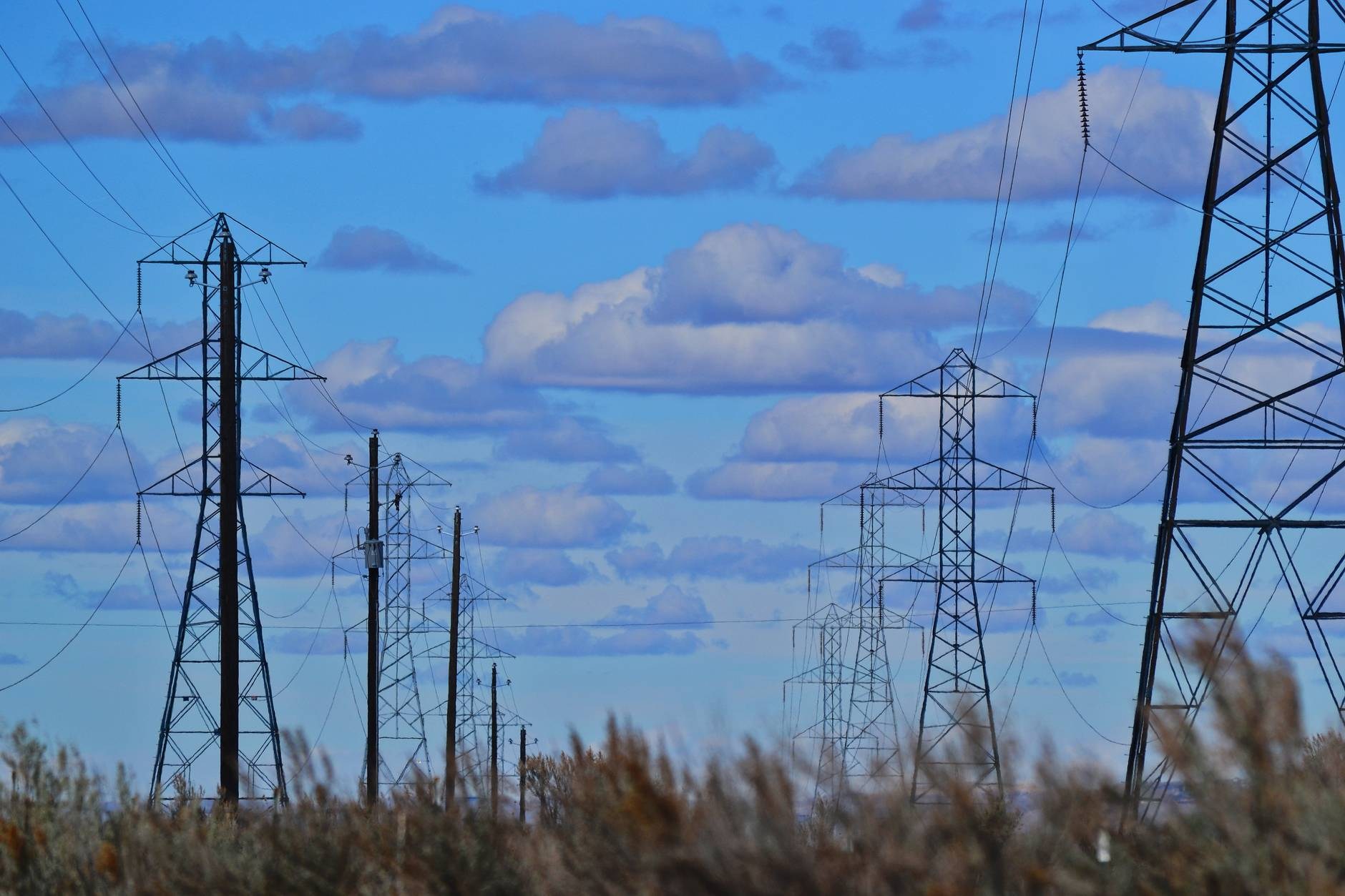
Singapore plans to import up to 3.4 GW of clean electricity from Indonesia as part of its strategy to secure 6 GW of low-carbon electricity imports from neighboring countries by 2035. These imports are expected to supply around one-third of Singapore’s future electricity needs. Most of the exported power will come from large solar photovoltaic projects that are planned across Indonesia, making the country an important renewable energy supplier for the region.
Industry experts believe that determining the right electricity price is critical because renewable energy projects involve significant investment in power generation and transmission infrastructure. They say the final tariff should include a “green premium” that reflects the higher costs associated with producing and delivering clean electricity. Long-term price certainty is also considered important to encourage developers and investors to commit to these large infrastructure projects.
Energy analysts have also stated that exporting renewable electricity is unlikely to slow Indonesia’s own clean energy transition. The country has enormous solar energy potential, estimated at around 7,700 GW, providing enough capacity to support both domestic demand and future exports.
Apart from pricing, regulatory issues also remain. Indonesian regulations currently allow electricity exports only through state-owned enterprises or government-appointed companies, creating challenges for private developers that have already received conditional approvals from Singapore. To address this, President Prabowo has appointed the sovereign wealth fund Danantara to oversee electricity exports. Danantara has already signed initial agreements with Singapore-based utilities Keppel Electric and Sembcorp to support future cooperation.
Once finalized, the project is expected to become a major step toward the ASEAN Power Grid, a regional initiative that aims to connect electricity networks across Southeast Asia, improve energy security, and increase the use of renewable energy throughout the region.
Subscribe to get the latest posts sent to your email.