By
7 min ago 3 min read
Ireland’s Commission for Regulation of Utilities has updated its biomethane policy to allow plants to transport the gas by road for injection into the grid.
Presently there is one privately operated facility injecting biomethane into the distribution network in Co Kildare, which has been operational since 2020 and acts as an injection point for biomethane delivered by road.
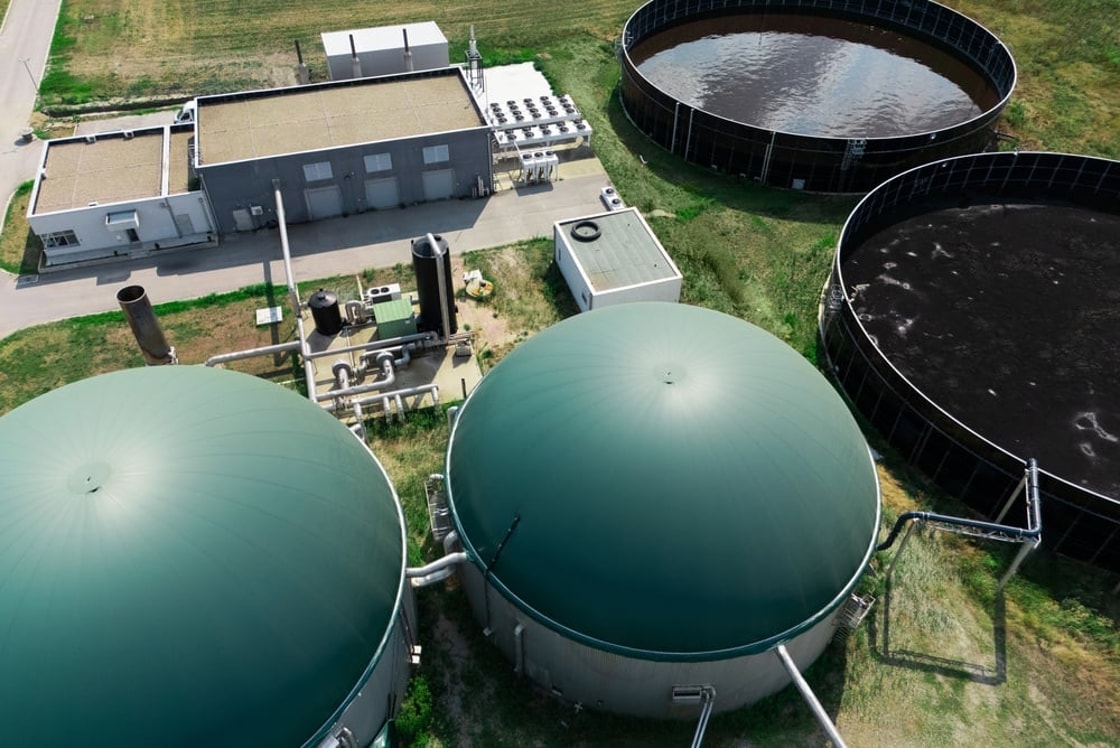
But now with more plants coming on stream in the coming years, allowing road transport will boost production in remote rural areas without direct pipeline access.
The update proposes to introduce a centralised gas injection facility owned and operated by GNI – the first of which will be at Mitchelstown Co. Cork. Remote producers can truck compressed or liquefied biomethane to such hubs.
The moves are in line with the National Biomethane Strategy which found a mixture of large grid-connected plants and smaller plants utilising centralised injection facilities will be required to achieve the climate action target of 5.7 TWh of injected biomethane by 2030. Between 150 and 200 anaerobic digestion biomethane plants are needed in the next four years.
Further changes designed to save costs for biomethane developers connecting to the network include the economic test – extended by five years to 15 years – and financial security.
The economic test calculates whether an additional payment must be made for connection to the network. The longer the period over which it is calculated, the more opportunity there is to reduce, or indeed avoid, any additional payment.
Financial security will match the financial exposure on gas customers if a biomethane project does not proceed as planned.
It’s been a stop-start period for Ireland’s biomethane sector as policy issues have come to the fore.
A large-scale €80m biomethane plant is moving ahead despite the in the country’s Renewable Heat Obligation scheme just days earlier. Ireland must respond by the 29 June deadline.
The mechanism would have allowed Irish-produced biomethane to count as 1.5 units towards supplier obligations, improving project economics and supporting domestic supply. Its removal means projects must now compete more directly with lower-cost imports.
The Irish Bioenergy Association has urged the Irish Government to use a two-phased approach: pushing ahead with non-multiplier aspects of the RHO to provide market signals, while separately creating EU-compliant frameworks to financially support indigenous production.
Ireland’s potential is clear. Pure Data Centres Group, the pan-European and Middle East developer and operator of hyperscale cloud and AI data centres, recently completed Europe’s first large-scale , transferring 9 GWh of certified German biomethane to the Irish gas network.