The Renewable Energy Statistics 2025 report released by the International Renewable Energy Agency (IRENA) reveals that global renewable energy capacity grew by over 15% in 2024—a record-breaking year. However, the report also highlights a growing regional disparity in deployment. Asia continued to lead the global renewables expansion, accounting for 71% of all new capacity added last year. Europe and North America followed, contributing 12.3% and 7.8% respectively.
In contrast, Africa, Eurasia, Central America, and the Caribbean together accounted for just 2.8% of the global total. Despite its vast potential, Africa only managed a 7.2% increase in renewables capacity in 2024. As the lead agency monitoring global progress toward tripling installed renewable energy capacity by 2030, IRENA emphasized that the current growth rate remains insufficient. While the addition of 582 GW of new capacity in 2024 marks the highest annual increase to date, it still falls short of the pace needed to reach the 11.2 TW global target by the end of the decade.
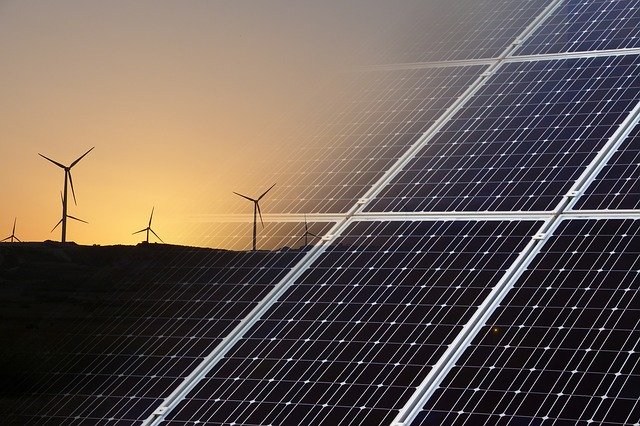
If the current rate of growth continues, the world will reach only 10.3 TW—0.9 TW below the goal. To stay on track, the annual growth rate would need to accelerate to 16.6% over the next few years. The report also shows that solar and wind continue to dominate renewable energy expansion. Together, they accounted for 97.5% of all net new capacity in 2024. Solar energy alone contributed 453 GW, underscoring its growing affordability, strong investment appeal, and ability to support energy security and sustainability goals. Wind energy added another 114 GW to the global capacity.
Francesco La Camera, IRENA Director-General, said in a statement, “The renewable energy boom is transforming global energy markets, driving economies and creating vast investment opportunities. However, the growing regional divide highlights that not everyone is benefiting equally from this transition. Countries and regions that attract substantial investment in renewables are seeing enhanced energy security, increased industrial activity, and new jobs, fueling broader socioeconomic development.”
He further mentioned, “Bridging the divide and closing the investment gap between countries and regions is critical. It requires targeted policies, international financing, and partnerships that unlock capital and technology where they are needed most. By aligning investment flows with policy frameworks, we can ensure that the green transition becomes a powerful engine for resilience and sustainable economic growth worldwide.”
Simon Stiell, UN Climate Change Executive, said, “The global shift to renewables is increasingly inevitable, but its massive human and economic benefits are not yet being shared across all countries and regions. To deliver on the global agreement at COP28 to triple renewables by 2030, we need to move much further and faster, and make more progress on the key enablers for vulnerable developing countries. The investments required will pay huge dividends – cutting emissions, driving economic growth, creating jobs, and supporting affordable, secure energy for all.”
IRENA also noted a continuing shift in the global energy mix. By the end of 2024, renewables made up 46.2% of global installed power capacity, catching up closely with fossil fuels, which stood at 47.3%. This shift reinforces the position of renewables as not only a clean energy solution but also a smart economic investment that supports job creation and sustainable growth.
On the generation side, renewable electricity output rose by 5.6% in 2023 compared to 2022, reaching a total of 8,928 terawatt-hours. In comparison, power generated from non-renewable sources grew by just 1.2%. As a result, renewable energy sources accounted for nearly 30% of global electricity generation by 2023, with solar and wind playing a central role in this increase.
Subscribe to get the latest posts sent to your email.