The International Renewable Energy Agency (IRENA) has highlighted the importance of the Renewable Power Generation Costs (RPGC) report for 2024–2025, which aims to provide comprehensive, up-to-date data on global renewable power generation costs and their trends. This report continues IRENA’s commitment to tracking the evolution of renewable energy economics over time and offers critical insights to support policymakers, investors, and industry stakeholders. As global attention intensifies on reducing carbon emissions and achieving net-zero targets, understanding the true costs of renewables becomes vital for sound planning and transition strategies.
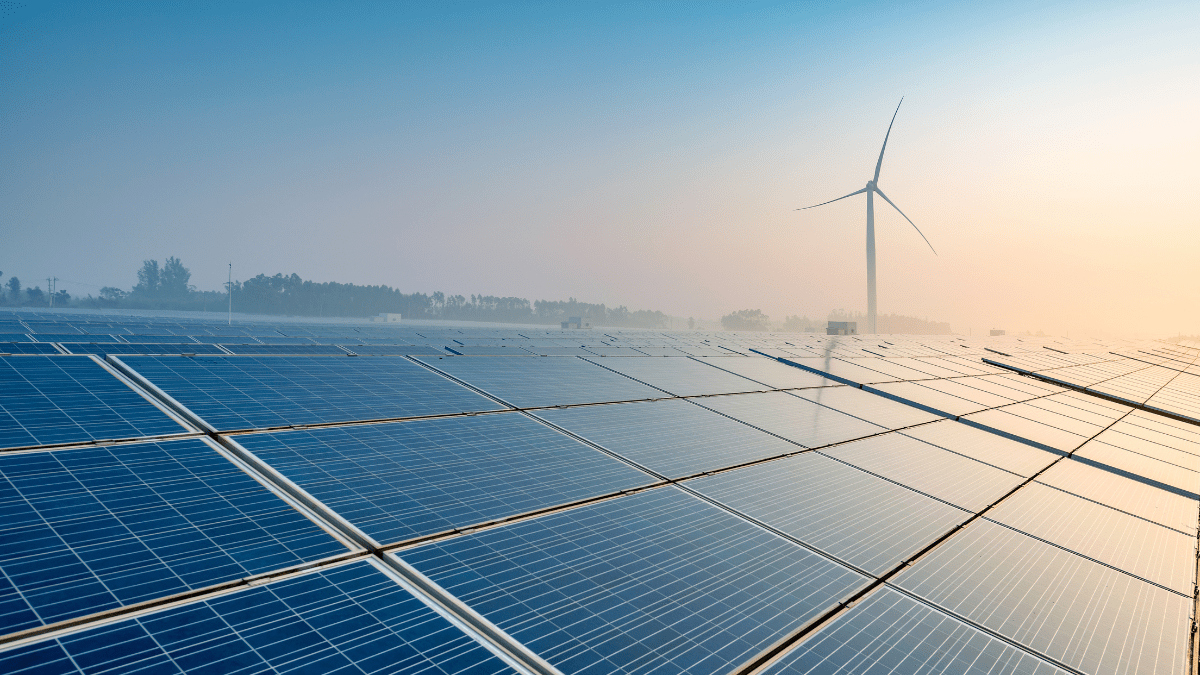
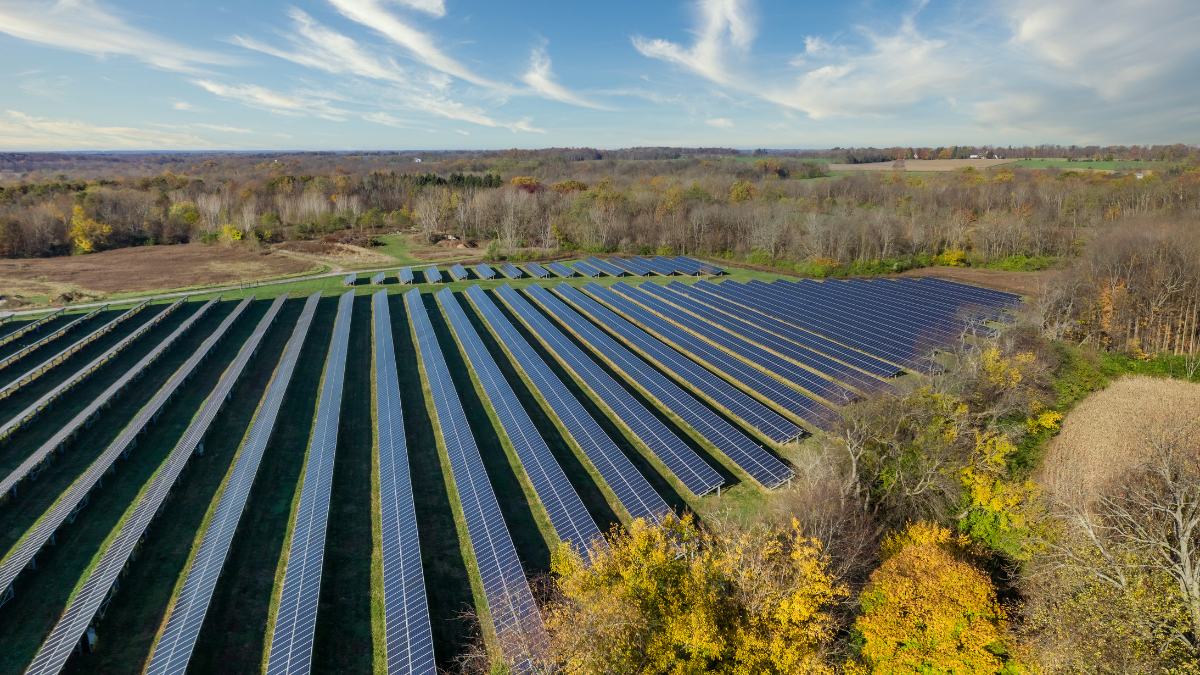
According to the executive summary of the report, renewable energy has emerged as the most cost-competitive source of new power generation in many regions across the world. The 2024–2025 analysis shows that falling technology costs, supportive policy frameworks, and expanding deployment have helped bring the levelized cost of electricity (LCOE) for solar and wind power to historic lows. In several markets, these technologies are now more affordable than new fossil fuel-based power generation options, even without subsidies. This is a strong signal for governments and utilities to further align energy planning with decarbonization goals.
The RPGC report also emphasizes the role of learning curves and economies of scale in driving down costs. Technological improvements in solar photovoltaic (PV), wind turbines, and battery storage systems have significantly increased efficiency and reduced installation and maintenance expenses. Large-scale auctions and competitive procurement processes have also contributed to this trend by pushing developers to offer lower bids, thereby reducing project costs. Furthermore, the analysis includes regional cost variations and explores how different markets are benefiting from renewable cost reductions based on their local resource availability and market structures.
The conclusion of the report calls for continued global collaboration and commitment to policy consistency to accelerate the energy transition. IRENA encourages countries to improve grid infrastructure, enhance market design, and facilitate investment in renewable power generation. This involves not just cost tracking but also integrating flexible technologies like storage and demand-side response to ensure system stability. IRENA points out that cost competitiveness alone is not enough; the right enabling environment is essential to scale deployment and meet climate targets.
Ultimately, the report underscores the need for sustained investment in renewable technologies, especially in emerging economies, where clean energy deployment can stimulate job creation, energy access, and economic development. With costs declining and technological maturity improving, renewable power offers a clear path forward for a sustainable and resilient energy future.