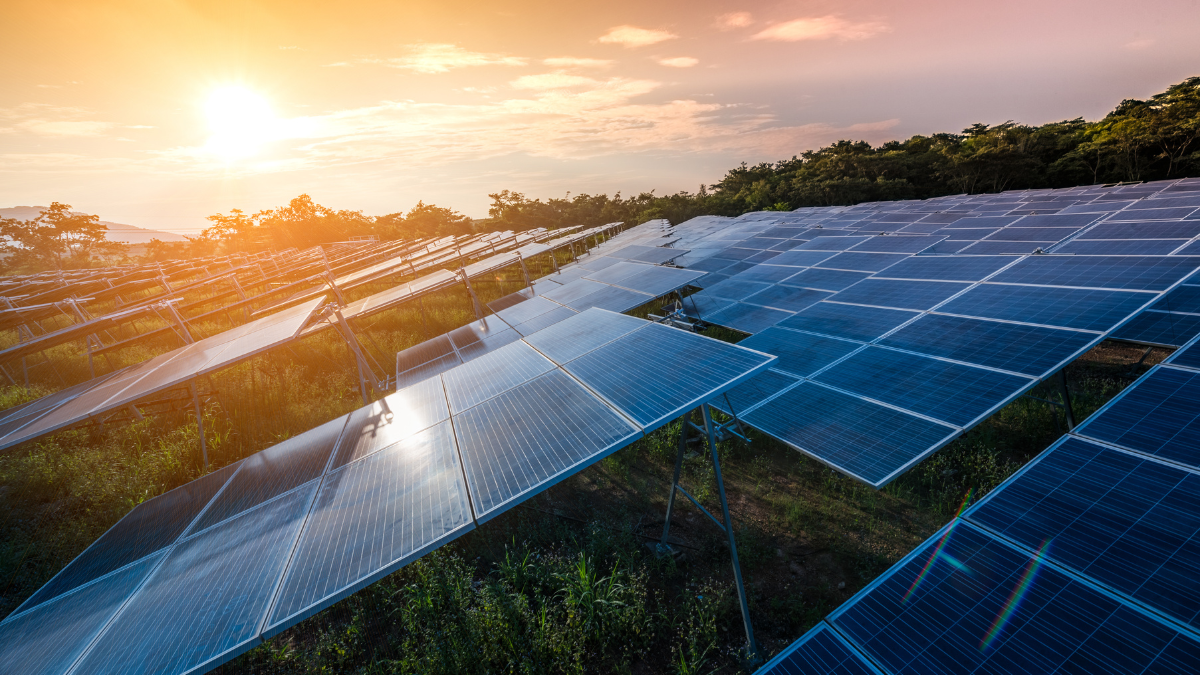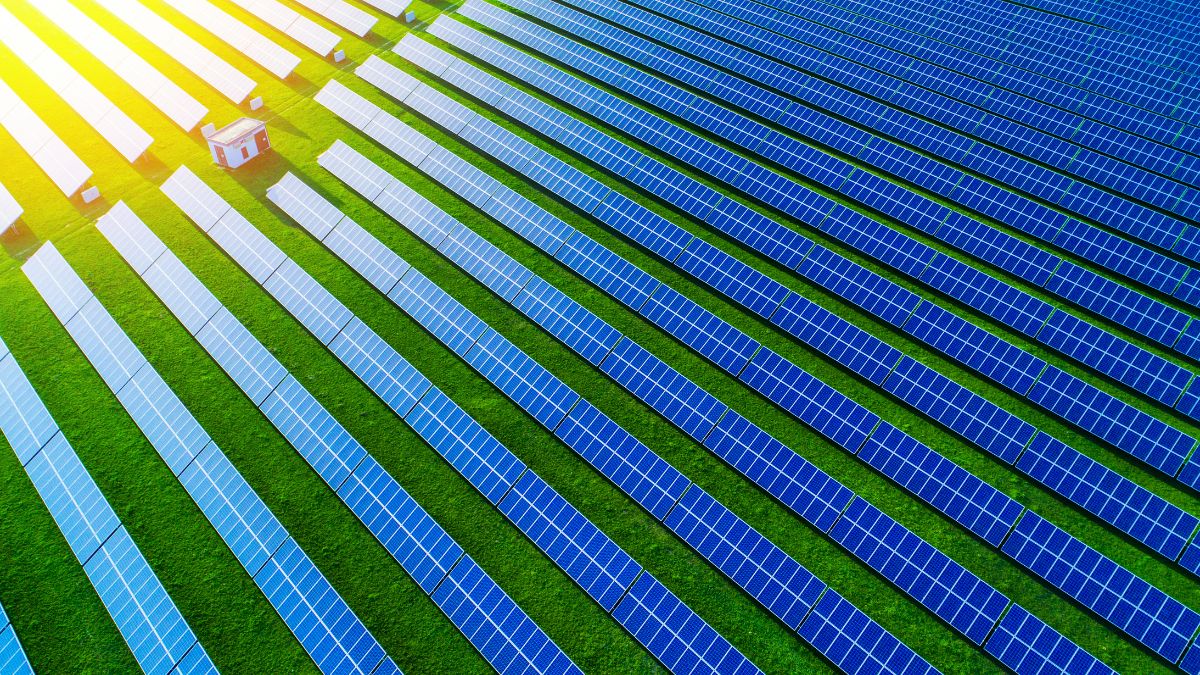
The International Renewable Energy Agency (IRENA) has released its Renewable Power Generation Costs in 2024 report, confirming that renewables remain the most cost-competitive option in global power markets. The findings highlight how technological progress, competitive supply chains, and economies of scale continue to reduce costs, securing renewables’ advantage over fossil fuels.
In 2024, solar photovoltaics (PV) were on average 41% cheaper than the lowest-cost fossil fuel alternatives, while onshore wind was 53% cheaper. Onshore wind also remained the lowest-cost source of new renewable electricity at USD 0.034/kWh, followed by solar PV at USD 0.043/kWh. With 582 GW of renewable capacity added in 2024, fossil fuel use worth approximately USD 57 billion was avoided. Significantly, 91% of new renewable power projects built last year were cheaper than any fossil fuel-based alternatives.
Beyond cost savings, renewables strengthen energy security by reducing dependence on volatile fuel markets. However, IRENA notes that short-term pressures—such as trade tariffs, raw material supply bottlenecks, and shifting manufacturing dynamics—could slow cost reductions. Europe and North America face additional structural challenges, including permitting delays, grid congestion, and higher balance-of-system costs, which could keep prices elevated. By contrast, Asia, Africa, and South America are expected to experience sharper declines due to stronger learning rates and abundant renewable resources.
The report stresses that the transition to renewables is not only inevitable but also crucial for building an affordable, resilient, and sustainable energy system. Still, progress depends on coordinated efforts to remove barriers, expand grid infrastructure, and unlock greater investment. Stable and predictable policy frameworks are essential to lower investment risks, while tools such as power purchase agreements (PPAs) remain critical for mobilising affordable finance. Inconsistent regulations and opaque procurement processes, on the other hand, continue to undermine investor confidence.
Integration challenges are becoming more apparent as deployment accelerates. Grid connection delays, slow permitting, and high local supply chain costs are emerging as major constraints, particularly in G20 economies and emerging markets. Financing also remains a decisive factor: in 2024, IRENA found that while onshore wind costs averaged USD 0.052/kWh in both Europe and Africa, the financial structures differed significantly. Europe’s projects were largely driven by capital expenditure, while African projects bore much higher financing costs due to higher perceived risks. IRENA estimated cost of capital at 3.8% in Europe compared to 12% in Africa.
Technological advances are also reshaping the cost dynamics. Battery energy storage systems (BESS) have fallen in price by 93% since 2010, reaching USD 192/kWh in 2024. Hybrid renewable projects and digital solutions, including AI-enabled grid management, are improving efficiency and reliability. Yet, investment in digital infrastructure, flexibility, and grid modernisation remains essential, particularly in emerging economies.
In a special address on 22 July 2025, UN Secretary-General António Guterres reinforced the findings, arguing that a just transition away from fossil fuels is both inevitable and necessary. He emphasised that accelerating renewables will deliver vast benefits for people, economies, and the planet—provided that global leaders act decisively to expand finance, strengthen supply chains, and ensure fairness in the transition.
Subscribe to get the latest posts sent to your email.