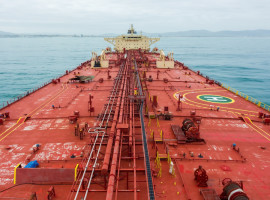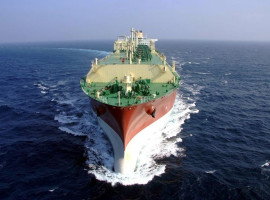
Despite the Hormuz crisis, Japan has secured the same volumes of oil imports for July as it did a year ago, as it is boosting imports from producers not dependent on the Strait to deliver their crude, sources familiar with the procurement plans told Kyodo News on Thursday.
Resource-poor Japan is one of the biggest energy importers globally and relied on the Middle East for as much as 95% of its oil imports before the war broke out.
Most of the oil came from Saudi Arabia, Kuwait, the United Arab Emirates (UAE), and Qatar. Of these Middle Eastern supplies, about 70% typically arrived in Japan on tankers traveling through the Strait of Hormuz.
Japan in April imported the lowest volume of crude oil from the Middle East on record, dating back to 1979, as the Iran war and the de facto closure of the Strait of Hormuz choked supply from the region.
With traffic at the chokepoint still slowed to a trickle at 90% lower volumes compared to before March 2026, Japan has turned to suppliers, including the United States, Azerbaijan, South Sudan, and Russia’s Sakhalin oil supply, which was never sanctioned because of the Japanese dependence on it.
Moreover, as the war choked supply from the Middle East, Japan began releasing oil stocks from national reserves at the end of March, as part of the IEA-coordinated record-high release of 400 million barrels of oil and fuel. Japan is releasing a total of 80 million barrels of oil stocks, including 54 million barrels of crude and 26 million barrels of oil products as part of the IEA’s 400-million-barrel release.
The ongoing stocks release, which is Japan’s biggest, is helping domestic refiners increase throughput. So is alternative supply from producers outside the Middle East, including the U.S., and rare cargoes from Azerbaijan and Latin America.
By Tsvetana Paraskova for Oilprice.com
More Top Reads From Oilprice.com
- Oil Prices Spike as Iran Declares Strait of Hormuz Closed
- Energy Prices Drive U.S. Inflation To Three-Year High
- Oil Prices Jump After U.S. Strikes Iran Over Downed Apache