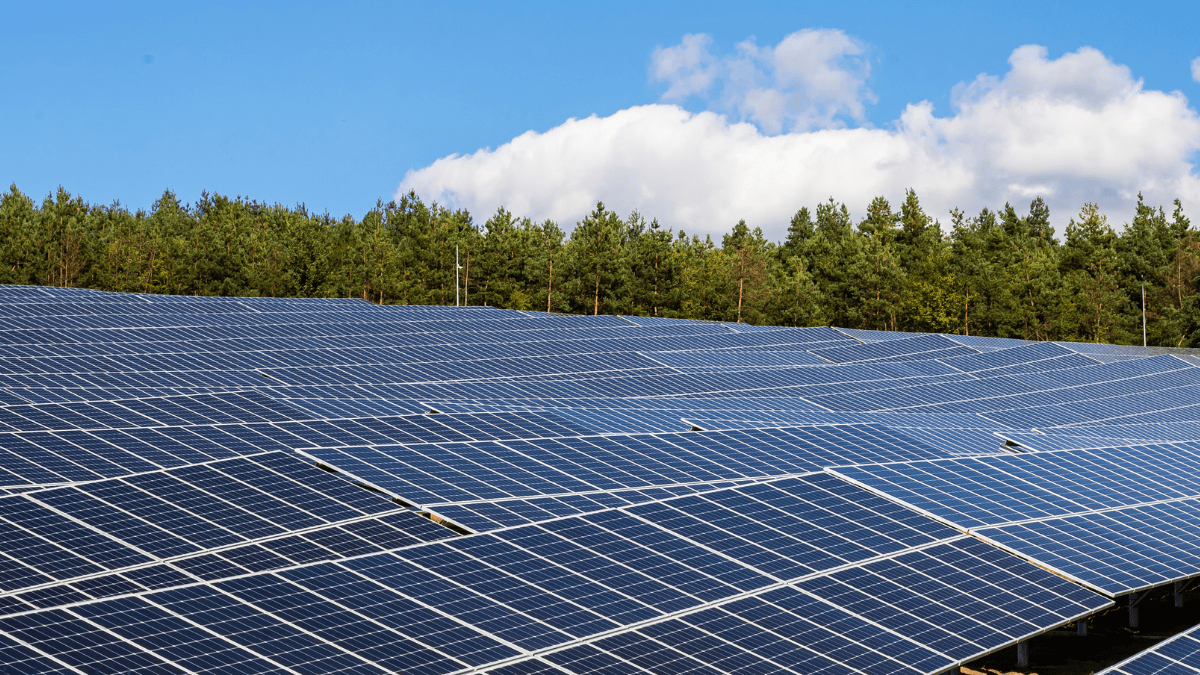
In a major boost to South Africa’s renewable energy sector, JUWI has announced a ZAR 6 billion investment to develop three solar power projects totaling 340 MW by 2025. These projects will provide clean energy to major industrial players, including Teraco, Sasol, Air Liquide, and Glencore, helping them reduce reliance on the country’s unstable public grid and ensure stable power for their operations.
The initiative comes amid regulatory changes and South Africa’s updated energy plan, which encourage private investments to meet renewable energy targets and address the nation’s energy instability.
- Teraco’s 120 MW Solar Plant in the Free State
Teraco, Africa’s largest data centre operator, will use a 120 MW solar installation to power its expanding digital infrastructure. This project will support both local and international clients, ensuring uninterrupted operations amid South Africa’s frequent power outages. - Sasol and Air Liquide’s 120 MW Solar Plant
In partnership with JUWI, TotalEnergies, Mulilo, and Reptile Group, Sasol and Air Liquide will develop a 120 MW solar plant. This project aims to provide affordable and reliable energy for their chemical production facilities, enhancing operational stability. - Glencore’s 100 MW Solar Plant for Mining Operations
Glencore, a global mining giant, will receive 100 MW of solar power to fuel its ferrochrome smelters. Developed in collaboration with Pele Green Energy, this project will directly address the energy demands of Glencore’s mining operations, reducing its dependence on the public grid.
South Africa’s industrial sector has been actively seeking alternatives to the unreliable public grid. Recent amendments to the Electricity Regulation Act have enabled private companies to launch independent power projects, giving businesses greater control over their energy needs.
The country’s updated Integrated Resource Plan (IRP) outlines ambitious renewable energy targets, with private investments playing a critical role in achieving these goals. JUWI’s solar projects align with this strategy, offering tailored energy solutions to large industries while contributing to South Africa’s broader energy security objectives.
JUWI’s ZAR 6 billion investment marks a significant step forward in South Africa’s transition to renewable energy. By providing reliable and sustainable power to key industries, these projects will help mitigate the impact of electricity shortages and enhance the competitiveness of South Africa’s industrial sector.
- Teraco’s solar installation will ensure stable energy for its data centres, supporting the growth of digital infrastructure in the region.
- Sasol and Air Liquide’s project will stabilise energy supply for industrial processes, reducing operational risks.
- Glencore’s partnership with Pele Green Energy will strengthen energy independence for its mining operations, safeguarding production against grid disruptions.
JUWI’s solar projects underscore the growing role of private investments in South Africa’s renewable energy sector. As the country works to meet its renewable energy targets and address energy instability, initiatives like these will be crucial in driving the transition to a sustainable and secure energy future.
By reducing reliance on the public grid and providing tailored energy solutions, JUWI’s projects not only serve the needs of major industries but also contribute to the broader goal of energy security in South Africa.