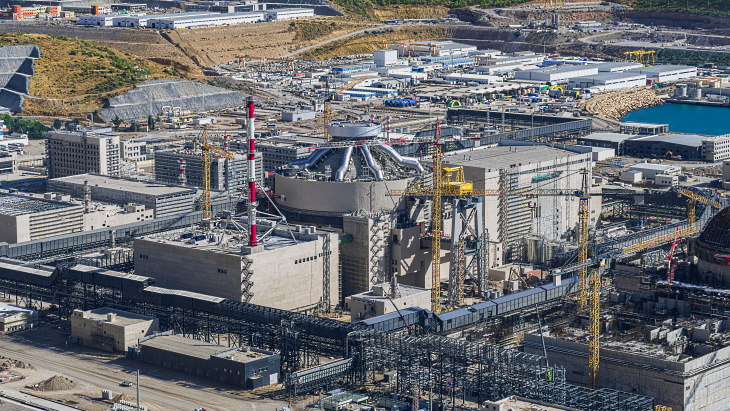
The 1,356 MWe Advanced Boiling Water Reactor (ABWR) in Japan’s Niigata Prefecture, which had been offline since March 2012, was restarted in the evening of 21 January. Tepco aimed to return the reactor to commercial operation on 18 March. However, shortly after midnight on 22 January, “an alarm was triggered in the control rod operation monitoring system for one control rod during the control rod withdrawal operation, causing the withdrawal operation to be suspended”. The unit’s restart was subsequently suspended while an investigation into the cause of the alarm was carried out.
After replacing parts, the reactor was again restarted on 9 February. It was taken offline between 20 and 24 February for inspections as part of procedures for its full-scale restart. The unit was taken offline again in mid-March after a damaged electric conductor was discovered.
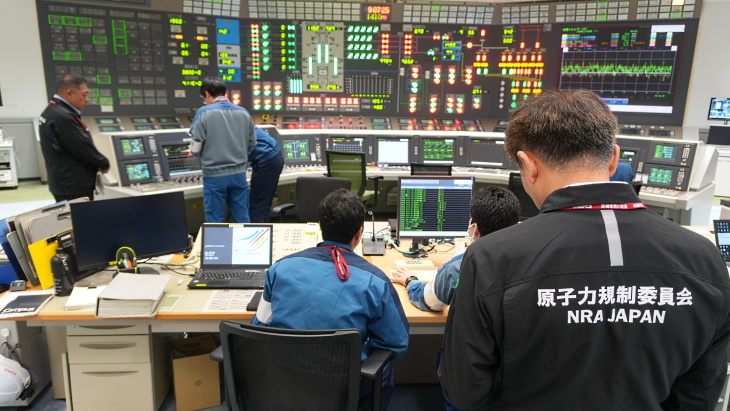
A comprehensive load performance test was carried out on Tuesday, observed by the Nuclear Regulation Authority (NRA).
“Today, following the issuance by the Nuclear Regulation Authority of a pre-operational confirmation certificate and a certificate of passing for the pre-operational inspection for Kashiwazaki-Kariwa Nuclear Power Station Unit 6, Tepco recommenced commercial operation at 4:00pm [local time],” Tepco said.
The seven-unit Kashiwazaki-Kariwa plant was unaffected by the March 2011 earthquake and tsunami that damaged Tepco’s Fukushima Daiichi plant, although the plant’s reactors were previously all offline for up to three years following the 2007 Niigata-Chuetsu earthquake, which caused damage to the site but did not damage the reactors themselves. While the units were offline, work was carried out to improve the plant’s earthquake resistance. All units have remained offline since the Fukushima Daiichi accident.
Although it has worked on the other units at the Kashiwazaki-Kariwa site, Tepco is concentrating its resources on units 6 and 7 while it deals with the clean-up at Fukushima Daiichi. These 1,356 MWe ABWRs began commercial operation in 1996 and 1997, respectively, and were the first Japanese boiling water reactors to be put forward for restart. Tepco received permission from the NRA to restart units 6 and 7 in December 2017. Restarting those two Kashiwazaki-Kariwa units – which have been offline for periodic inspections since March 2012 and August 2011, respectively – would increase the company’s earnings by an estimated JPY100 billion (USD633 million) per year.
Since the Fukushima Daiichi accident, 14 Japanese reactors have gradually resumed operation.