The Kerala State Electricity Board (KSEB) has released a revised electricity tariff and terms for electricity supply that will be effective from December 2024 to March 2027. This updated schedule highlights a strong push toward promoting renewable energy, with a particular focus on solar power. One of the key changes is the introduction of differential rates for solar and non-solar hours for electric vehicle (EV) charging stations. During solar hours, from 9 AM to 4 PM, the tariff will be lower, encouraging EV owners to charge their vehicles when solar energy generation is at its peak.
For residential consumers, the revised tariff structure introduces several provisions to provide financial relief, especially to vulnerable groups. Families under the Below Poverty Line (BPL), as well as cancer patients and individuals with disabilities, will benefit from reduced charges. These consumers will see exemptions on fixed charges and lower energy costs, making electricity more affordable for those in need. Furthermore, the new tariff system includes special provisions for government-backed community welfare projects, such as social drinking water supply and community-based water schemes. These initiatives are categorized under domestic tariffs to help keep costs manageable.
The tariff also emphasizes the importance of efficiency in the industrial sector. For example, industries will be required to install ISI-certified capacitors to improve power factor, with rebates offered for compliance. However, industries that fail to comply will face higher fixed and energy charges. The tariff structure for different sectors, such as agriculture, IT, and public lighting, has been customized to reflect their specific energy consumption patterns, ensuring that each sector receives an appropriate rate based on its usage.
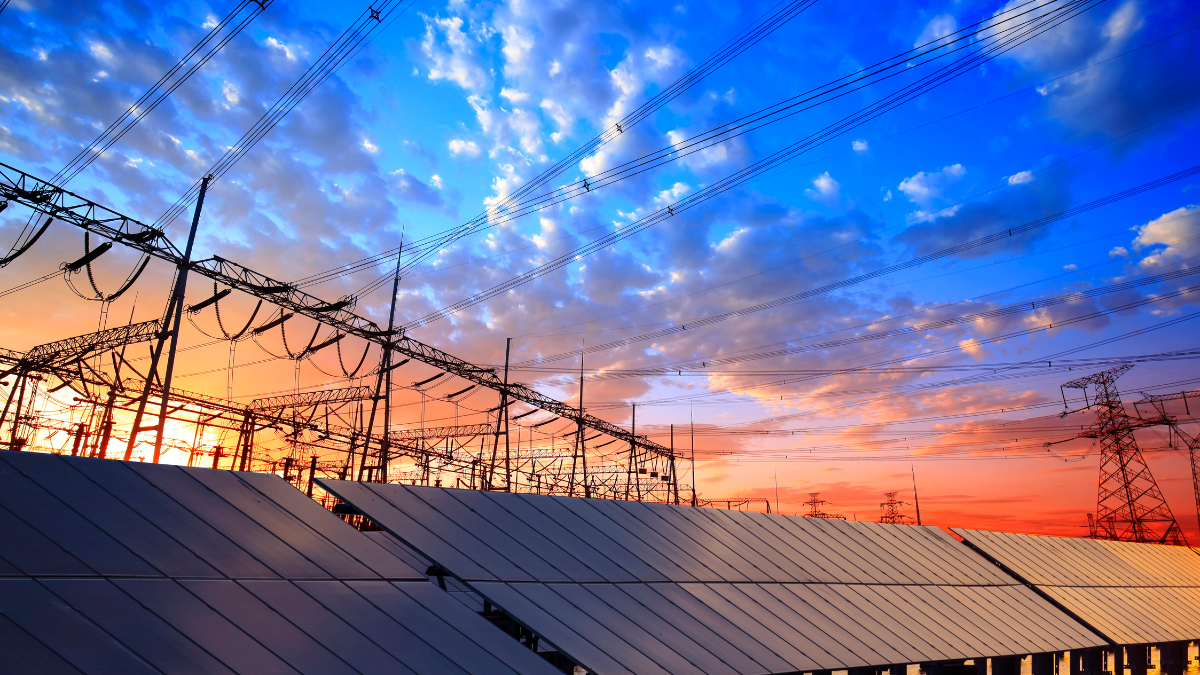
Solar energy continues to be a central focus in the revised tariff schedule. Consumers who use solar power, especially in public and private initiatives, will receive incentives as part of Kerala’s larger renewable energy goals. The tariff for public EV charging stations is particularly designed to promote charging during daylight hours, aligning with the state’s green energy objectives. Additionally, by March 2025, KSEB is required to update meter configurations for EV charging stations to differentiate between solar and non-solar hours, further reinforcing the shift toward solar energy.
Agriculture is also addressed in the revised tariff. The schedule supports essential agricultural activities like irrigation and crop cultivation by offering separate categories for general agricultural use and specialized sectors like aquaculture and floriculture. Encouraging the use of ISI-certified capacitors is part of the strategy to improve energy efficiency in these sectors. Non-compliance with this requirement will lead to penalties in the form of higher charges.
The tariff revisions also cater to the industrial and commercial sectors, with tariffs tailored to suit their unique energy needs. IT-enabled services, manufacturing units, and public utilities such as waterworks are incentivized to optimize their energy consumption. Public lighting services, essential for streetlights and other public spaces, have specific provisions to promote cost-effective and efficient energy use. Separate provisions have been made for metered and unmetered lighting systems.
Temporary connections for cultural events, festivals, and exhibitions have also been addressed in the new tariff. Reduced rates will be available for government-sponsored or religious activities, ensuring that these social events are not burdened by high electricity costs.
The revised electricity structure is designed to balance affordability with sustainability. It provides financial relief for vulnerable groups while promoting the use of renewable energy, particularly solar power. The new tariff system ensures that different consumer categories, from residential users to industries, benefit from fair and tailored rates. By prioritizing energy efficiency and solar power incentives, Kerala is taking a significant step forward in its transition to a low-carbon economy. The updated structure reflects the state’s commitment to addressing energy needs while supporting its renewable energy targets.