Korea has navigated several years of global energy instability while keeping its long-term climate and energy goals firmly in place. A new Energy Policy Review from the International Energy Agency (IEA) shows that the country has strengthened key policy foundations and continues to make progress toward its carbon neutrality target. The report highlights that Korea can move faster toward its goals by improving coordination across sectors and ensuring clear, actionable implementation plans.
Korea set a major precedent in 2021 when it passed the Carbon Neutrality Act, making its pledge to reach net-zero emissions by 2050 legally binding. It was one of the first IEA members to enshrine such an ambitious target into law. The Act also includes a 2030 emissions reduction goal to help guide progress over the next decade. In recent years, Korea has managed to grow its economy while stabilizing and slightly lowering greenhouse gas emissions since they peaked in 2018. However, fully separating emissions from economic growth remains a challenge because coal still accounts for more than a quarter of the country’s electricity generation.
Electricity demand in Korea is expected to rise steadily due to several factors: rapid electrification across buildings, industry and transport; increased need for cooling; and strong energy demand from expanding semiconductor manufacturing and data centers. Because of this outlook, the IEA report stresses the importance of significant investment in clean and low-emission power generation, stronger grid infrastructure, and better-designed electricity market systems. Reforming the wholesale electricity market could help attract new investment and deliver more accurate price signals to support long-term planning.
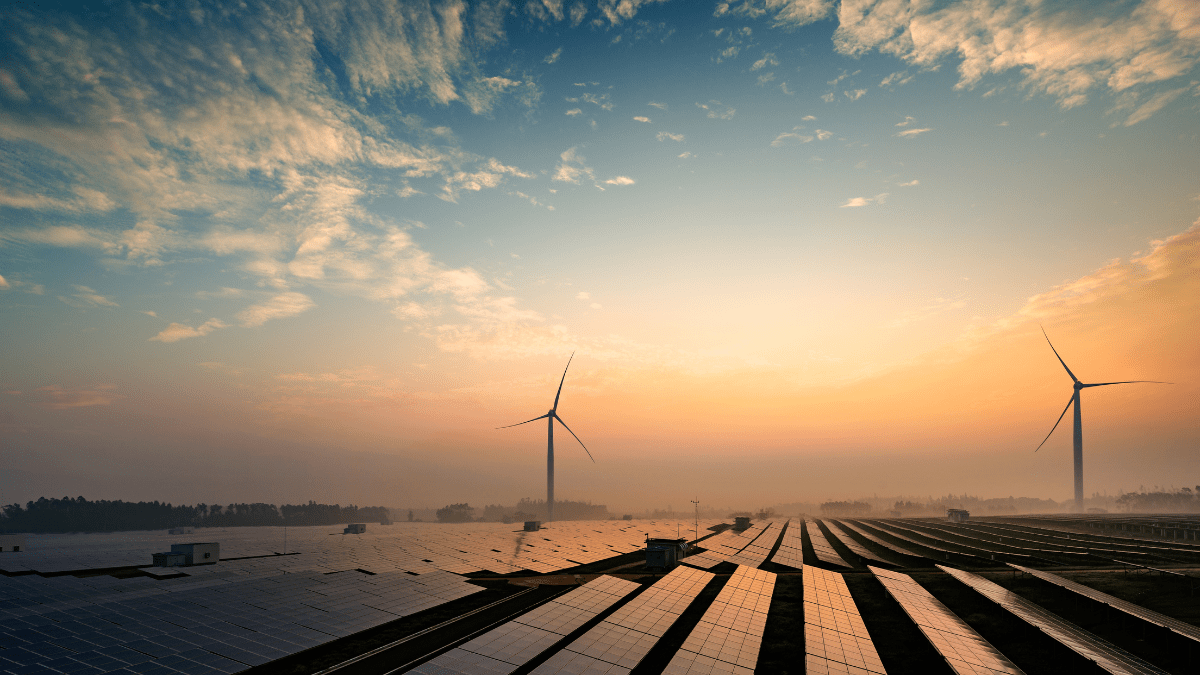
Over the past five years, Korea has nearly doubled the share of renewable energy in its electricity mix. Despite this progress, it still has the lowest renewable share among IEA member countries. The slower pace is linked to limited available land, large forest areas, and public opposition to new energy infrastructure. Overcoming these obstacles will require long-term planning and stronger national strategies for public participation and communication. Energy storage will also be critical as Korea expands its renewable capacity. Recent efforts to create a market for energy storage services show early promise, but more development is needed to ensure investments can be scaled and integrated smoothly into the electricity system.
Korea has also been an early mover in hydrogen policy, releasing one of the first hydrogen roadmaps among IEA countries back in 2019. The roadmap focuses on transport, buildings and power, and low-emissions hydrogen remains a central part of Korea’s long-term climate strategy. However, the IEA report notes that Korea needs clearer policies on the role of hydrogen in difficult-to-decarbonize sectors like heavy industry and freight transport. The report also recommends that the country establish well-defined rules for the creation and management of hydrogen infrastructure to support wider adoption.
Korea’s Emissions Trading System (ETS) remains a cornerstone of national climate policy, covering roughly 80% of the country’s emissions. But low carbon prices and limited market activity have reduced its impact. The IEA suggests increasing the number of auctioned allowances, expanding participation in the system, and introducing mechanisms to stabilize the market. These changes could help improve price visibility and strengthen progress toward emissions goals.
According to the IEA, Korea is making meaningful institutional reforms that could significantly improve energy governance if fully implemented. The creation of the Ministry of Climate, Energy and Environment (MCEE) is expected to strengthen cross-sector coordination and accelerate renewable energy development. Establishing an independent regulator for electricity, natural gas, and hydrogen markets would also improve transparency, ensure fair pricing, and better protect consumers.
Korea’s strengths in advanced industry—ranging from semiconductors and heavy manufacturing to batteries, consumer electronics, and nuclear technology—give it a strong platform to lead global innovation. By aligning its industrial capabilities with its energy transition needs, Korea has the opportunity to boost domestic competitiveness, strengthen export potential and advance its climate ambitions.
This alignment would create a positive cycle that supports sustainable growth and contributes to global decarbonization. The IEA conducts regular assessments of its member countries’ energy and climate policies to provide insights, recommendations and international best practices. Korea’s latest review reflects both its achievements and the steps needed to stay on track toward a clean, secure and competitive energy future.
Subscribe to get the latest posts sent to your email.