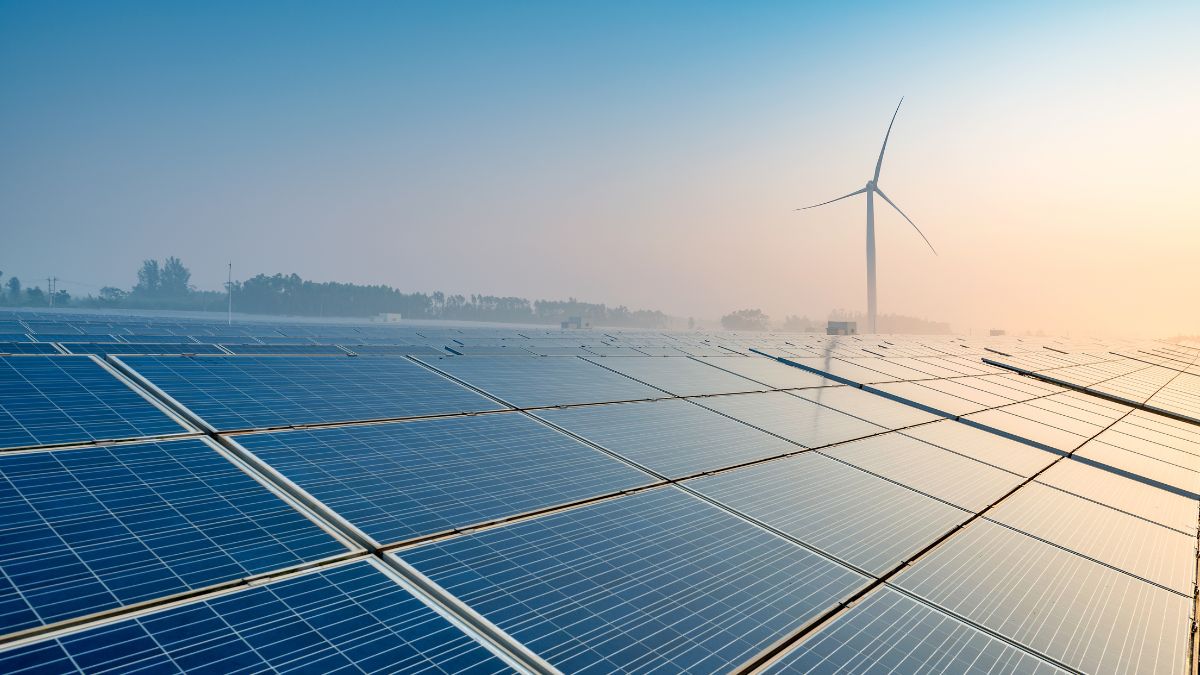
The latest Q4 European PPA Price Index Report from LevelTen Energy is now available for subscribers, providing key insights into the evolving renewable energy market. The report highlights a continued decline in solar power purchase agreement (PPA) prices across Europe, while wind PPA prices saw a slight increase during the fourth quarter of 2024.
The findings come at a time when energy markets are grappling with economic pressures, supply chain dynamics, and regulatory shifts that continue to influence the pricing of long-term renewable energy contracts. The report, which aggregates data from actual PPA transactions across the European market, sheds light on trends that could shape corporate energy procurement strategies in 2025.
The report presents four key takeaways from this quarter’s analysis, offering valuable insights for developers, buyers, and investors looking to navigate the evolving landscape of European renewable energy procurement.
- Solar Prices Continue to Drop In Q4
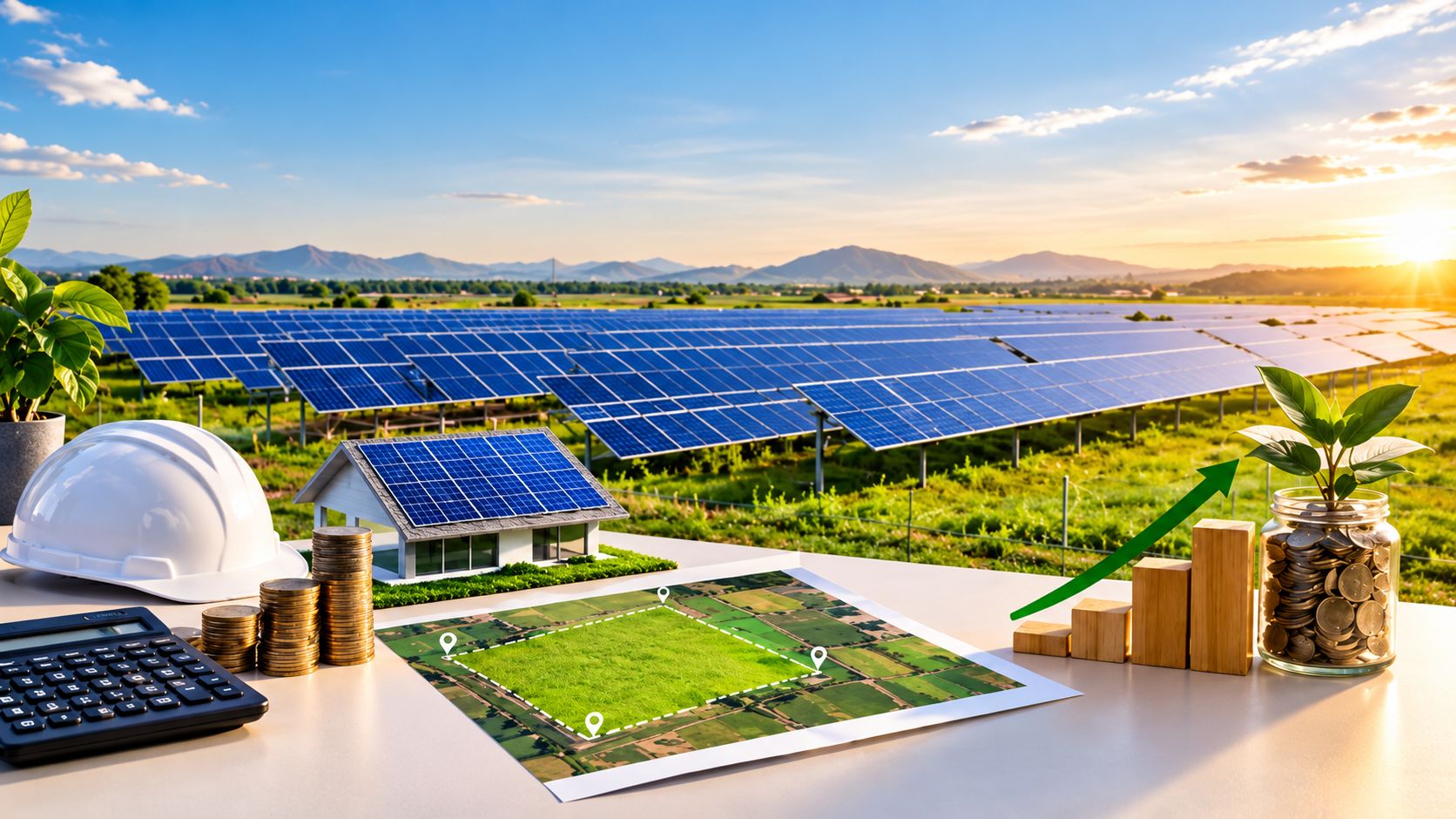
European solar PPA prices have been on a steady declining trajectory over the last two years, as the energy sector continues to return to relative normalcy following the continent’s energy crisis. In Q4, LevelTen’s Market-Averaged Continental Solar Index declined by 2% compared to Q3, with price declines in nearly every solar market featured on our Q4 Index.
Q4 saw the re-emergence of Nordic solar markets, with Finland, Sweden, and Denmark all making a strong showing. Polish prices also posted a material drop, a sign that the PV sector there continues to mature and gain momentum in a nation still highly dependent on coal power. French solar prices also continued their downward price trend, with pre-operational solar projects in France growing in number on the LevelTen Energy Marketplace. Fast-shifting political winds in France amidst a budgetary crisis have significantly heightened regulatory risk for developers there, who may be looking more to corporate buyers to provide the offtake contracts they need to finance their projects.
- Q4 Sees Wind Prices Temper
Europe’s wind sector continues to regain its footing after a difficult few years of supply chain snarls, inflationary challenges, and financing turbulence. After dropping for several consecutive quarters, LevelTen’s Market-Averaged Continental Wind Index nudged up by 1% in Q4. On a year-over-year basis, Market-Averaged wind prices have gone down by 9%.
Wind development in many European markets still faces a number of constraints, including high turbine costs and congested interconnection queues, which can increase uncertainty around projects’ CapEx and development timelines. Still, in markets like Finland, wind development continues to move forward with strong momentum, with high procurement appetite from industrial and data centre buyers. However, offshore wind in the Baltic Sea faced a substantial setback in November when the Swedish government rejected the applications of 13 offshore wind farms totaling 32 GW in capacity due to overriding concerns over national security.
- A Mixed Political Picture
2024 was a complex year for European politics. The Labour Party’s victory in the UK seems poised to usher in an exciting new chapter of clean energy development there. Already, the removal of the country’s longstanding “de facto ban” on onshore wind, paired with more ambitious climate policies more broadly that should support clean energy buildout there.
In France, political tides seem to be turning in a different direction. A no-confidence vote in December forced the resignation of Prime Minister Michel Barnier, as budgetary concerns create worries about the financial viability of the country’s renewable subsidy scheme; compelling more developers there to explore PPA options. December also brought a no-confidence vote in Germany, leading to the dissolution of Chancellor Olaf Scholz’s coalition and prompting a snap election in February. Needless to say, political crises in the EU’s two biggest economies is cause for concern, and is contributing to a heightened degree of regulatory uncertainty.
4. Europe’s PPA Market Going Strong
For corporate renewable energy buyers in Europe, the continuing trend of moderating PPA prices is welcome news. With European wholesale electricity markets growing more volatile as the energy transition evolves, fixed-price contracts provide financial certainty for corporate buyers, along with a steady stream of the GOs they need to reach their Scope 2 emissions goals.
That said, demand for clean energy is poised to keep rising from a diversity of resources, including renewable hydrogen producers and the fast-growing needs of data centre operators. Many of these buyers are large, sophisticated entities who can move at speed and procure in large volumes. And particularly in countries with robust government auctions, like Germany and the UK, corporate buyers face competition from multiple sources. Buyer teams are encouraged to prioritize early stakeholder alignment and education, and to have a firm understanding of which contracting elements they can be flexible on in order to increase their likelihood of transactional success.
Subscribers of the LevelTen Energy PPA Price Index can access the full report via the LevelTen Platform or contact the company for further details.