By
9 min ago 2 min read
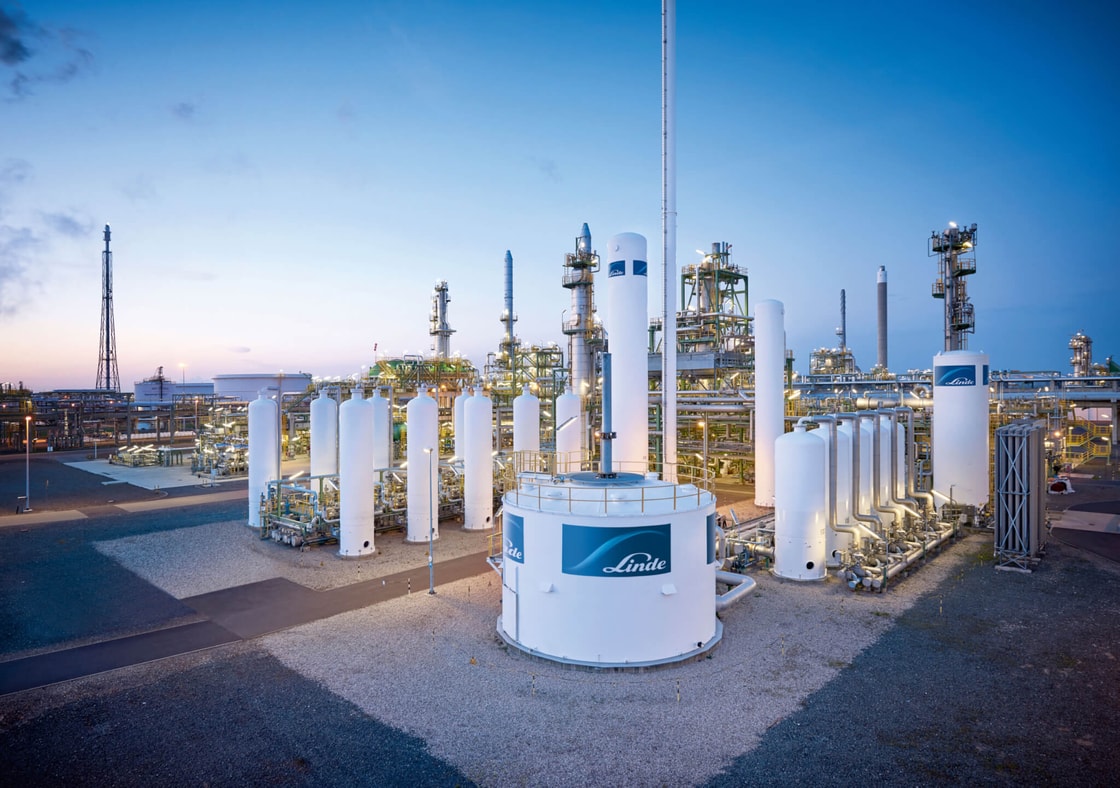
Industrial gas major Linde has reported a total project backlog of $9.9bn, supported by continued project start-ups and new contract wins during the first quarter.
The company launched 10 projects from its sale of gas backlog, primarily in the Americas and Asia-Pacific, making up around $300m of investment.
Project start-ups from the backlog remain a key contributor to volume growth, particularly in those regions.
A further five projects were signed, adding $100m and bringing the sale of gas backlog to $7.1bn.
The sale of gas backlog is expected to increase later this year as more projects come online.
“Based on the timing of some other projects, I’d fully expect us to have a higher backlog by end of year … and could potentially have an eight handle on it, so we feel pretty good about that,” said White.
The company signalled strong visibility on future orders, with management expressing a “high degree of confidence” in adding substantial new projects to the backlog this year.
The broader backlog, including plant engineering, stood at $9.9bn, with the Americas accounting for around 70% of projects.
Last year, the company to build a second carbon dioxide liquefaction plant in Freeport, Texas, doubling its capacity in the region.
A in the US space industry will see Linde build a new air separation unit in Texas and increased capacity at its existing ASU in Florida.
Linde said the backlog continues to support secure cash flow and double-digit returns, with a large share linked to chemicals and clean energy applications.
The project rollout is being supported by strong growth in the company’s Electronics segment, which rose 10%, driven by continued investment in advanced chips for AI applications.
“We’re currently investing more than a billion dollars of the project backlog for ultra-high-purity plants, which will support the most advanced fabs in the world,” said White.
A similar pattern is emerging across the sector, with peers such as Air Products also reporting backlog growth increasingly driven by electronics and semiconductor-related projects linked to AI demand.
Read more: