By
53 min ago 2 min read
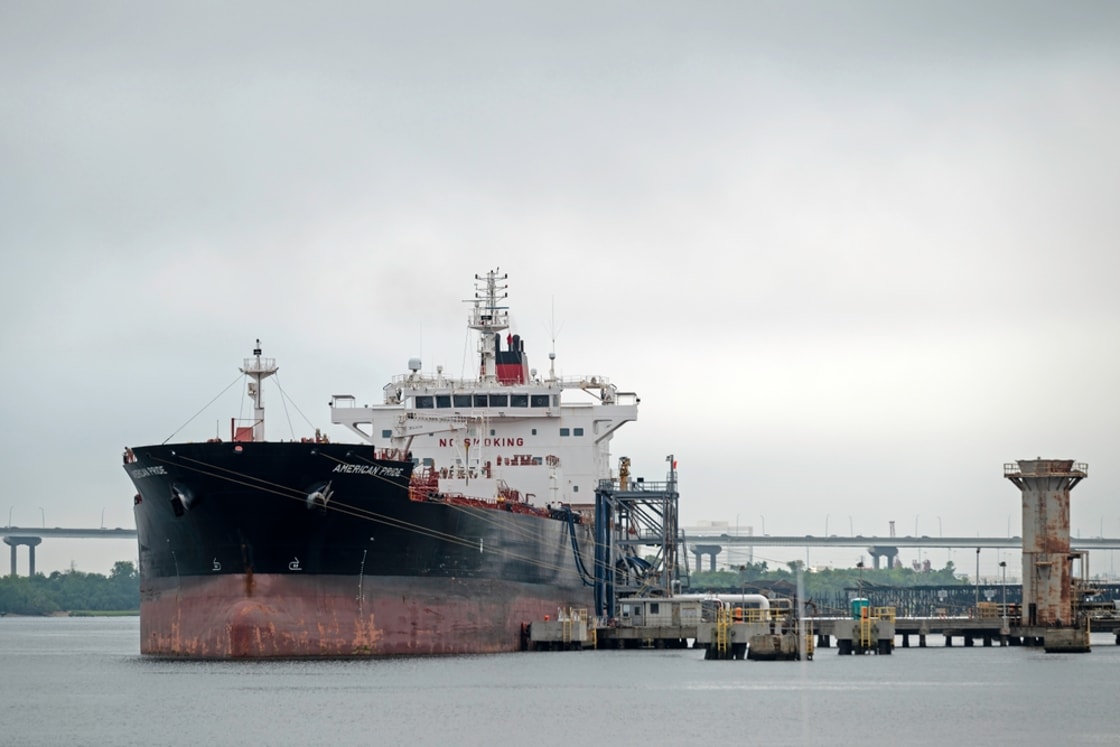
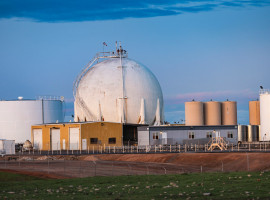
Lithuania’s Environmental Protection Agency has approved the Environmental Impact Assessment (EIA) programme for a planned carbon dioxide (CO2) transshipment terminal in Klaipėda, marking the next step in the project’s development.
The terminal, planned at the site of energy infrastructure company KN Energies, is expected to handle around 2.8 million tonnes of CO2 a year.
Commercial operations are targeted for 2030, with a final investment decision planned for 2027.
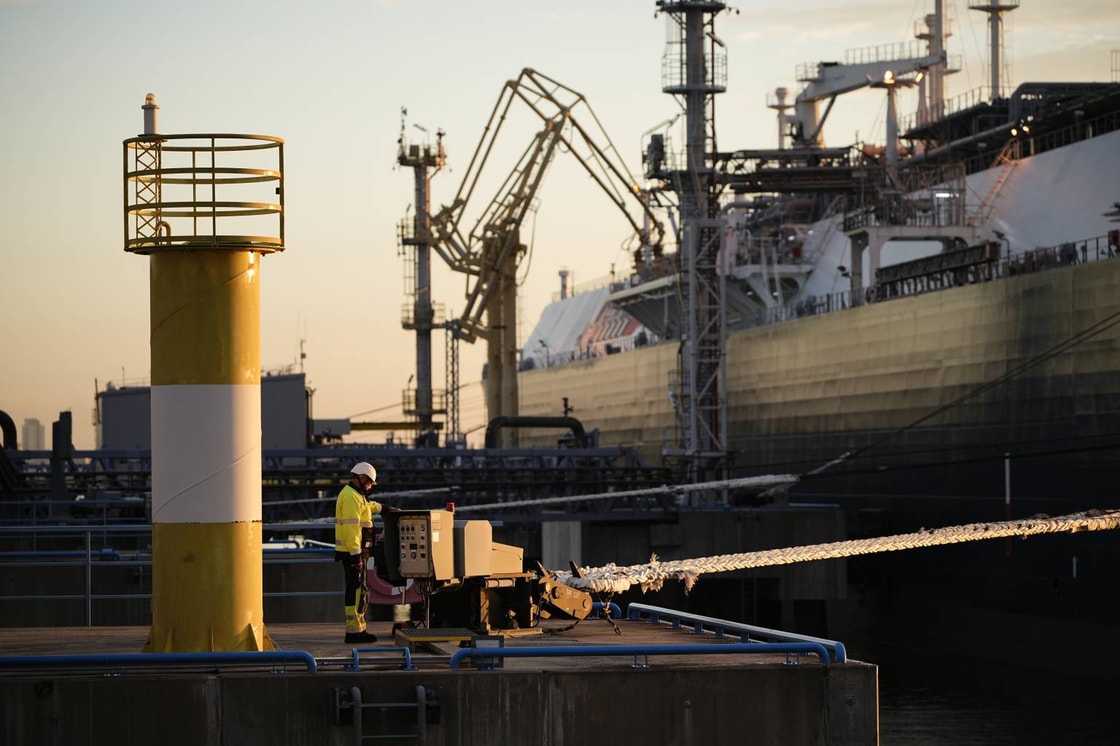
It will receive CO2 from industrial sources in Lithuania, Latvia and the wider Baltic region, temporarily store it, and then ship it to permanent storage sites beneath the North Sea.
The approved EIA programme sets out the potential environmental and public health impacts to be assessed during construction and operation.
Sweco Lietuva is conducting the assessment, following comments and proposals from the public and authorities involved in the process.
The project is also advancing on the engineering side. In March, KN Energies awarded Norway-based Aker Solutions a for the terminal.
Aker Solutions expects to complete the FEED phase in the third quarter of 2026, with more than 100 staff from Norway, India, and the UK working on the project.
Rūta Tumėnienė, Head of New Energy Sources at KN Energies, described the project as the first infrastructure of its kind in the Baltic States.
She said it would support industrial modernisation, create jobs, contribute to Lithuania’s climate neutrality targets, and attract investment and innovation.
In May 2026, the Lithuanian government designated the Klaipėda CO2 terminal a project of national importance. The wider CCS Baltic Consortium project also has EU Project of Common Interest status and receives EU funding.