By
30 min ago 2 min read
European airline Lufthansa Group (Lufthansa) will buy carbon removal credits from Canadian-based Deep Sky’s flagship direct air capture (DAC) facility in Alberta.
Through a multi-year offtake agreement, Lufthansa secured the carbon removal deal with Deep Sky through the European carbon credit procurement platform Senken.
The number of carbon removal credits secured by Lufthansa remains undisclosed.
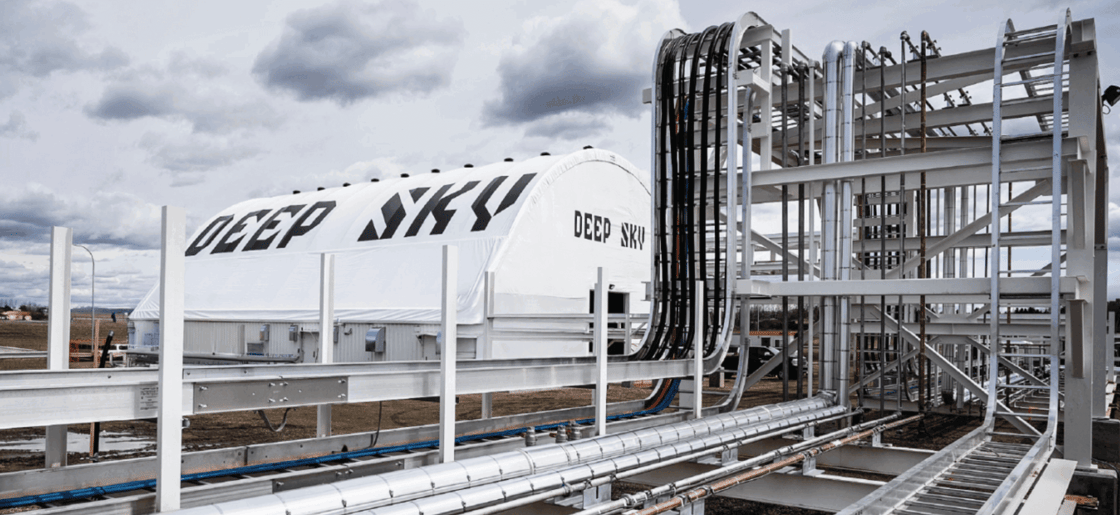
Under the deal, Deep Sky will remove atmospheric carbon dioxide (CO2) at its first commercial project. The firm’s Alpha project was brought online in August 2025 and has a nameplate capacity to remove up to 3,000 tonnes of CO2 per year.
The agreement is one of 14 new climate protection projects initiated by Lufthansa in a move towards technology-based carbon removal solutions.
Lufthansa said the share of projects that permanently remove CO2 from the atmosphere has been doubled and now accounts for approximately 20% of its climate protection portfolio.
Alex Petre, CEO at Deep Sky, said, “DAC scales when anchor offtakers commit long-term [and this] multi-year agreement is exactly the kind of demand signal aviation needs to put behind permanent removal.”
In March 2024, Swiss International Air Lines (SWISS) and Lufthansa Group announced a with the Swiss-based climate technology company Climeworks.
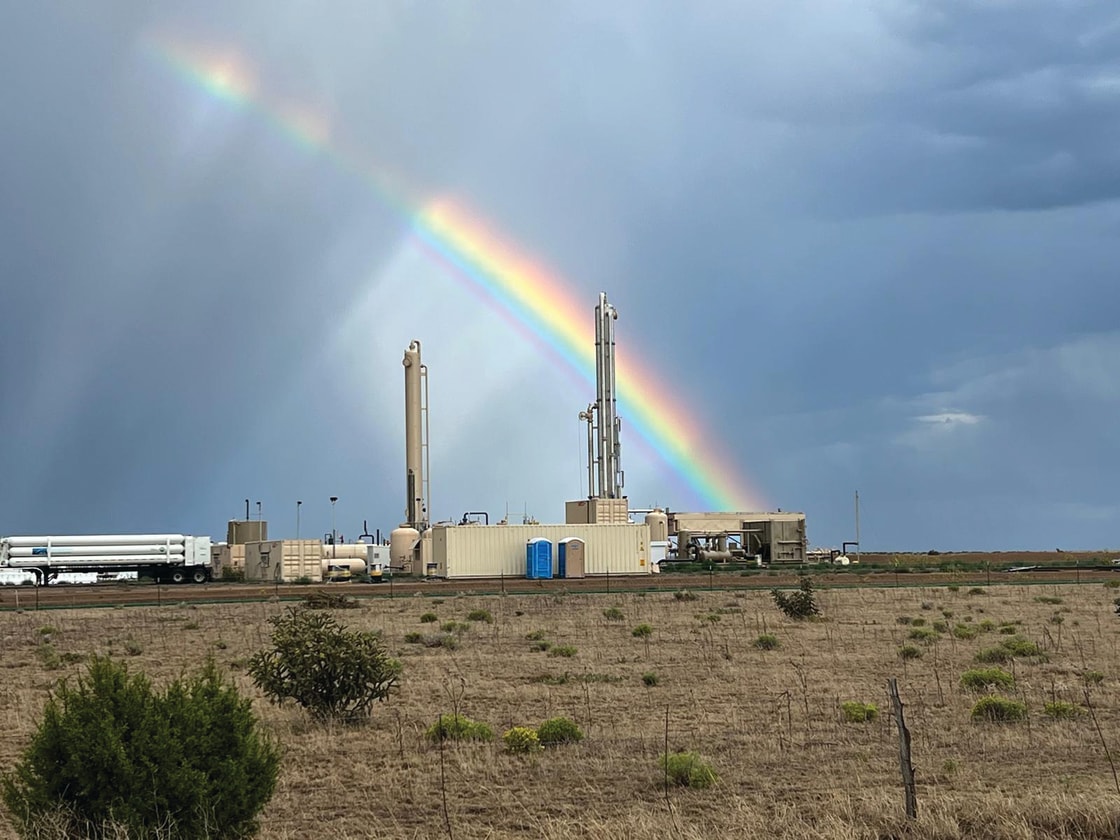
In addition to the Deep Sky deal, Lufthansa named the Stratos DAC facility in Texas, operated by Occidental Petroleum subsidiary 1PointFive, under its climate protection portfolio.
In March 2022, 1PointFive announced Airbus had pre-purchased the capture and permanent sequestration of 100,000 tonnes of CO2 each year over four years at its flagship DAC site.
In December 2023, Lufthansa signed a contract with Airbus for the pre-purchase of carbon-removal credits, for 40,000 tonnes of CO2, issued through its Airbus Carbon Capture Offer service.
1PointFive recently reported a at its flagship Stratos DAC facility in Texas, complicating its start-up timeline.
In 2023, the company anticipated the site would be commercially operational by mid-2025.