The war in the Middle East has upended shipping fuel markets with prices of marine fuels skyrocketing and regions running low on supply, pushing some traders to forgo cargo and ship additional fuel volumes to key bunkering ports outside the Middle East.
The price of fuel oil has surged this month as the stalled tanker traffic at the Strait of Hormuz is tightening supplies of the fuel in Asia, the key bunkering hub for fuel oil used in ships.
The Middle East is a major global supplier of fuel oil, especially of high-sulfur fuel oil (HSFO). But the Iran war has all but halted traffic via the Strait of Hormuz, stranding supplies for Asia and its key bunkering hub of Singapore.
Yet, stocks in Singapore have increased this month as shipping owners and operators have refrained from buying the too expensive fuel. These, however, could soon start to deplete, fast, because vessels are becoming desperate to refuel, according to a Financial Times analysis.
One trader told the publication that their firm had to forgo cargo in order to deliver additional fuel volumes between major ports, mostly between the United States and Singapore.
With the Middle East’s key bunkering port of Fujairah mostly offline by the end of March due to Iranian attacks earlier this month, the marine fuel market is in chaos.
Related: The U.S. Just Took a Giant Step in The Rare Earth Race With China
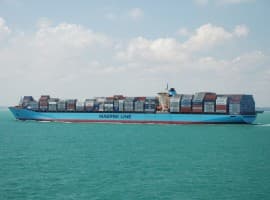
Shipping giant Maersk warned in its latest Middle East advisory this week that “To preserve network stability, we have undertaken significant redistribution of fuels to offset shortages in the Middle East, and are securing alternative sources from different locations, suppliers, and at increased premiums.”
Maersk also introduced as of March 25 an Emergency Bunker Surcharge (EBS), “in response to notable fluctuations in fuel supply and the additional costs of distribution.”
Maersk’s chief commercial officer Karsten Kildahl said earlier this month that “There is currently sufficient fuel globally, but it is unevenly distributed. As a result, we are making changes to our fuel supply chain and begin moving fuel to ensure our vessels can continue to bunker where needed – and protect the flow of trade.”
By Michael Kern for Oilprice.com
More Top Reads From Oilprice.com
- India Cuts Fuel Taxes and Curbs Exports as Oil Crisis Deepens
- Macquarie: Two More Months of War Could Send Oil to $200
- Soaring Prices Set to Crash China’s LNG Imports to 8-Year Low