A technique that uses magnets to separate oxygen from hydrogen could advance oxygen production for space missions, according to a team of researchers from the Center of Applied Space Technology and Microgravity (ZARM) at the University of Bremen, the University of Warwick, and the Georgia Institute of Technology.
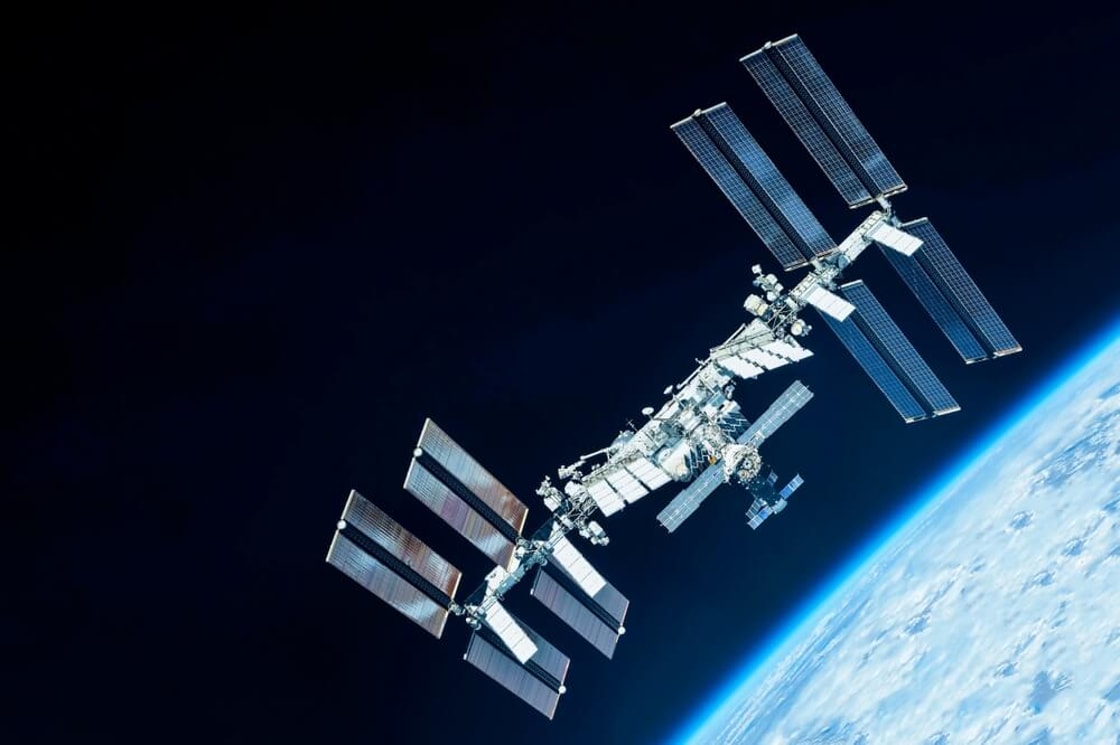
The magnet-based solution, which uses phase separation, was developed to overcome limitations of life support systems on board the International Space Station (ISS).
Oxygen in space is produced via water electrolysis, which splits water into hydrogen and oxygen using electrodes within an electrolyte. However, in the zero gravity of space, gas bubbles can stick to electrodes and remain suspended in the liquid.
To separate the gas bubbles from the liquid and extract the oxygen, life support systems on board the ISS spin water in a centrifuge. This process is expensive, complex, and energy intensive.
… to continue reading this article and more, please login, register for free, or consider subscribing to gasworld