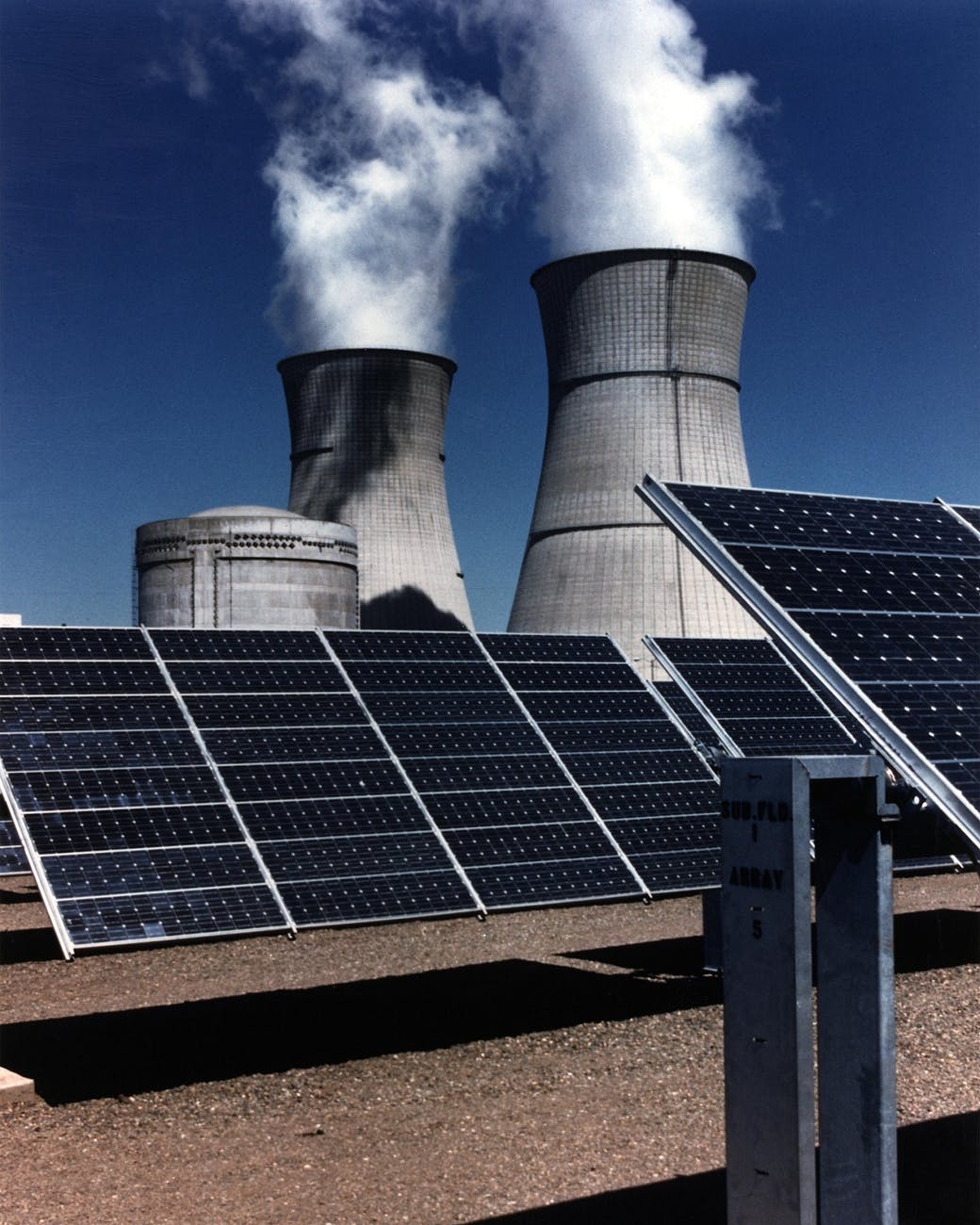
The Maharashtra Electricity Regulatory Commission has issued an important order on petitions filed by the Maharashtra State Electricity Distribution Company Limited regarding the procurement of medium-term power. The petitions highlighted the need to ensure reliable supply for the state in the coming years, while also showing a clear long-term direction toward renewable energy, especially solar. MSEDCL sought approval for bidding documents and the adoption of tariffs discovered through competitive bidding for the procurement of 993 megawatts of thermal power for a period of five years, beginning November 1, 2025, and ending October 31, 2030.
The reason behind this move is the projected shortage of power during certain periods of the day. The demand-supply analysis showed that the biggest pressure is likely to be felt during the morning peak hours from 5:00 AM to 7:00 AM and the evening peak hours from 6:00 PM to midnight. This thermal procurement is described as a transitional or bridge arrangement, meant to support the system until long-term renewable and storage projects are completed and integrated into the grid.
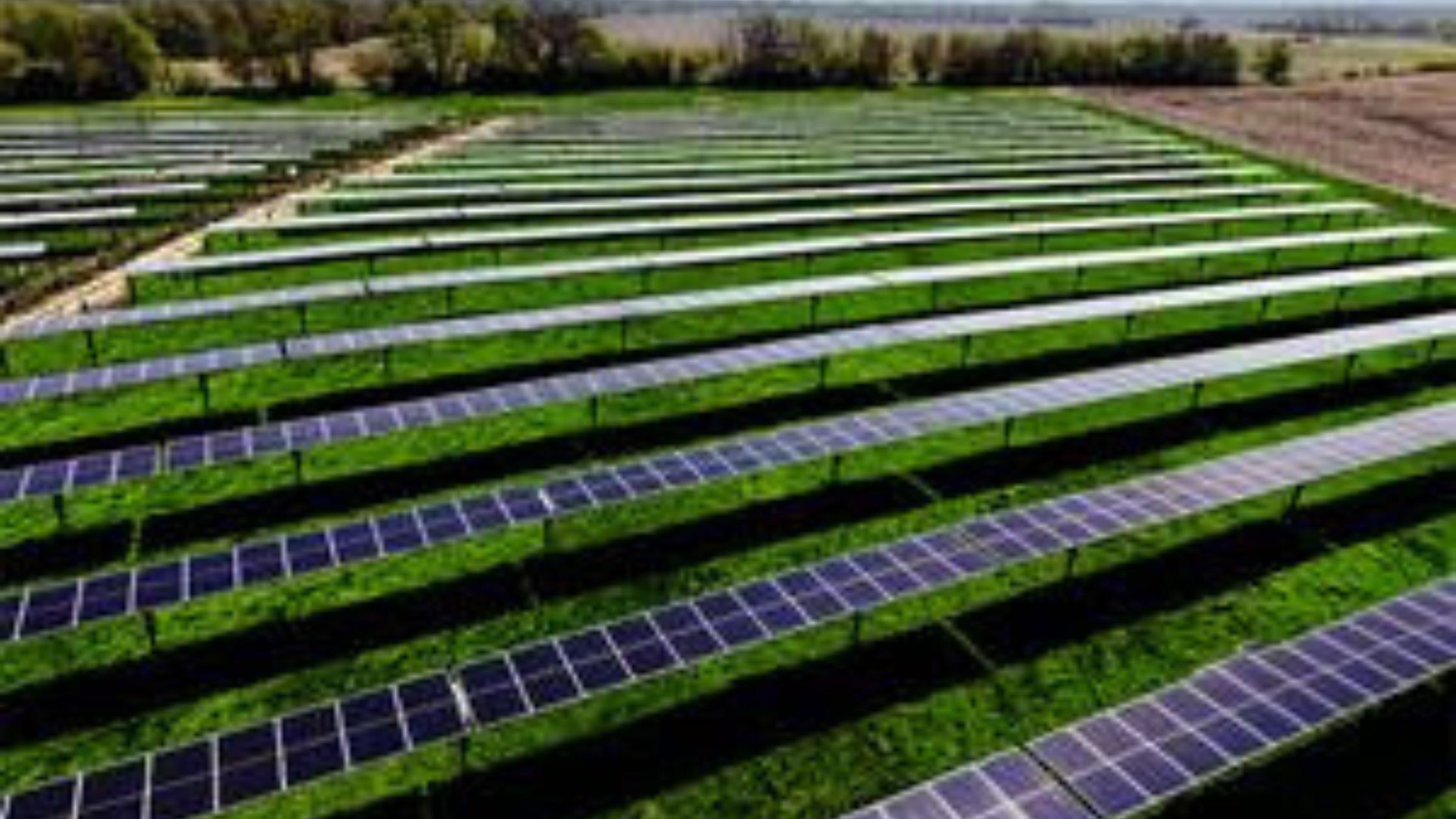
The analysis also showed that during the midday, described as the solar hours, no shortfall is generally seen. This is largely due to the increasing role of solar energy in meeting daytime electricity demand in the state. The filings underline that MSEDCL is already focusing on expanding its solar portfolio on a very large scale. According to the Resource Adequacy Study by the Central Electricity Authority, Maharashtra needs to tie up 21,239 megawatts of solar capacity by the year 2029-30. However, MSEDCL has already contracted 26,070 megawatts, and another 1,700 megawatts are in ongoing tenders. This shows a strong push towards building a renewable energy-based system and going beyond the required levels.
The order also shares a year-wise roadmap of solar capacity additions, which highlights the ambitious growth plan. As of March 31, 2025, the state had 5,046 megawatts of commissioned solar capacity. From this base, MSEDCL plans to add 3,024 megawatts in FY 2026, 9,625 megawatts in FY 2027, 7,905 megawatts in FY 2028, and 4,804 megawatts in FY 2029. These additions together total 25,358 megawatts over four years, taking the overall solar capacity to more than 30,000 megawatts by the end of FY 2029. The figures highlight the scale of the shift and the central role of solar in Maharashtra’s future energy mix.
At the same time, the Commission noted that the tariff discovered for the 993 megawatts of thermal power ranged between ₹5.55 and ₹5.67 per kilowatt-hour through the competitive bidding process. While this approval provides a solution to address immediate concerns, it is clear from the filings that thermal power is only a temporary support. The larger plan is to prepare for a renewable future where solar energy, supported by storage solutions, will play the key role in meeting demand and ensuring compliance with resource adequacy requirements. The order confirms that Maharashtra is using thermal power only as a short-term bridge, while making one of the biggest pushes in the country toward renewable energy expansion.
Subscribe to get the latest posts sent to your email.