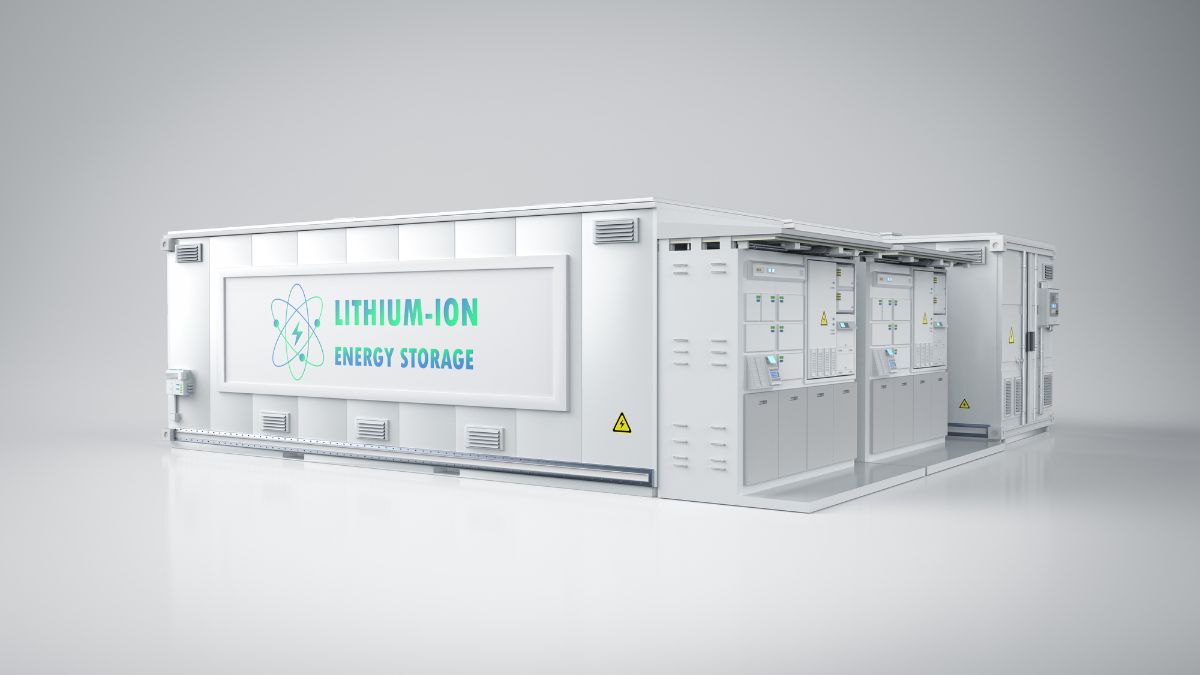
As India’s clean energy ecosystem expands, efficient thermal management has become a critical requirement across electric vehicles (EVs), battery energy storage systems (BESS), AI-driven data centres, railways, and high-performance electronics. Addressing this challenge, researchers at the Indian Institute of Technology Gandhinagar (IITGN) have developed an indigenous manufacturing technology for next-generation liquid cold plates, securing a ₹20 lakh seed grant at MATRIx 2026 (Materials Research, Innovation & Entrepreneurship Expo) to accelerate its commercialisation.
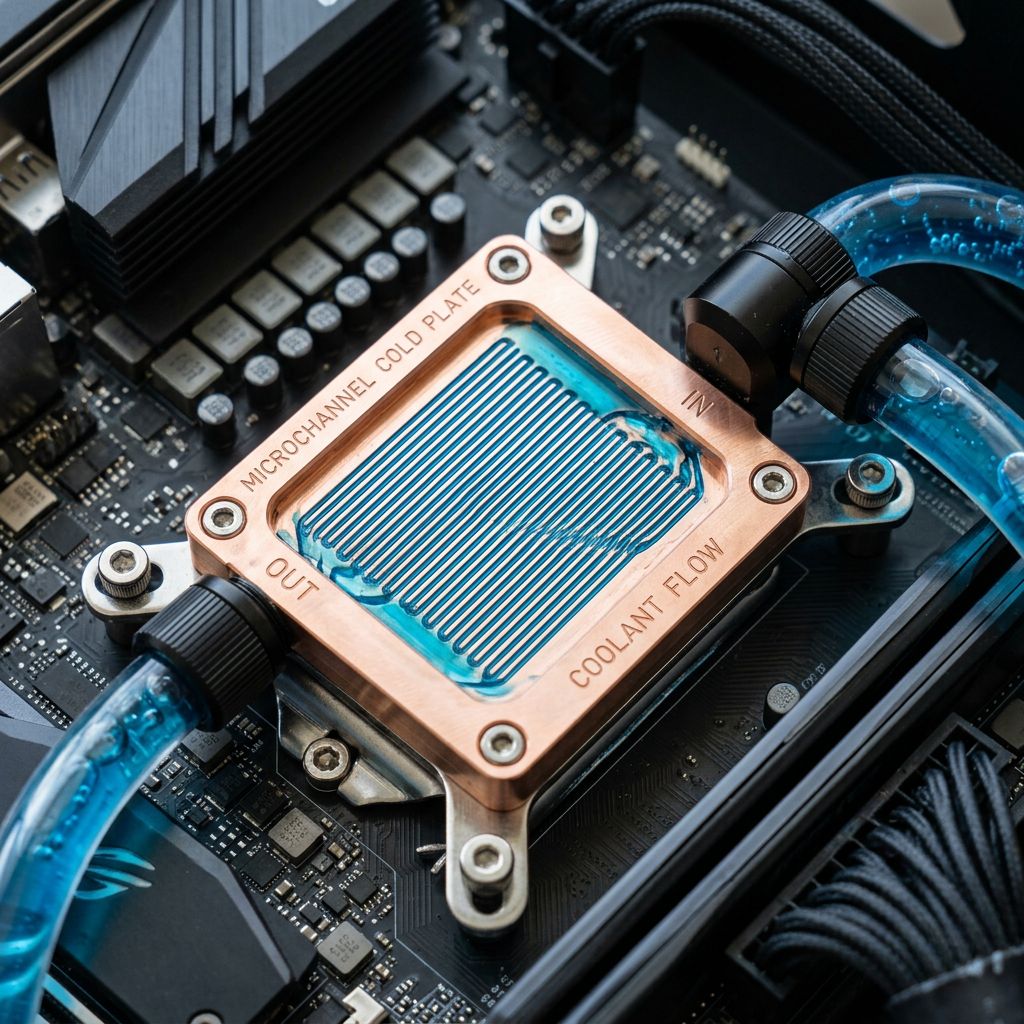
Liquid cold plates play a vital role in dissipating heat from high-power electronic systems, ensuring operational efficiency, safety, and reliability. They are widely used in EV battery thermal management, power electronics, renewable energy systems, railways, aerospace, defence, and increasingly in AI data centres, where rising computing demands are intensifying cooling requirements.
Unlike conventional liquid cold plates manufactured through vacuum brazing—a complex, energy-intensive process involving multiple joined components—the IITGN team has developed an innovative Friction Stir Channelling (FSC) process. This solid-state manufacturing technique creates internal cooling channels within a single metal plate without melting the material, resulting in a leak-proof structure with improved mechanical integrity while significantly reducing manufacturing time, energy consumption, material waste, and carbon emissions.
The technology has already reached Technology Readiness Level (TRL) 7, demonstrating successful validation in an operational environment. According to the research team, prototypes have achieved 100% leak-proof performance, withstanding pressures exceeding 35 bar, while successfully passing fatigue and tensile testing. The researchers have also developed the capability to customise cooling channel designs to meet varying industrial heat-load requirements, making the solution adaptable across multiple sectors.
Beyond its technical advantages, the innovation has significant implications for India’s manufacturing ecosystem. With much of the existing liquid cold plate technology currently dependent on imports, the indigenous solution supports the Make in India and Atmanirbhar Bharat initiatives by enabling domestic production of a critical engineering component. The research team has also filed an Indian patent in collaboration with industry partner Epsilon Engineering Pvt. Ltd., marking an important step towards commercial deployment.
As industries increasingly seek energy-efficient and reliable cooling technologies, IIT Gandhinagar’s breakthrough has the potential to strengthen India’s capabilities in advanced manufacturing while supporting next-generation applications ranging from EVs and battery energy storage to AI infrastructure and renewable energy systems. The newly awarded seed funding will further support large-scale testing, product refinement, intellectual property development, and commercialisation, helping bridge the gap between laboratory innovation and industrial adoption.
Subscribe to get the latest posts sent to your email.