Delivering power to homes and companies is supposed to be a boring and predictable business. While it’s true that the US population has been increasing and electrifying more things as it does, that growth in power use has been offset by energy savings as buildings, factories and appliances become more efficient. Indeed, electricity consumption in the US has changed little since the start of the 21st century. Until now.
Suddenly, America needs more juice—for factories and homes, electric vehicles and heating, and especially data centers and artificial intelligence. The surge in power demand is unlike anything utilities have seen in decades, perhaps not since World War II. That’s going to complicate the country’s already bumpy shift to clean energy, and Donald Trump’s imminent return to the White House promises to shake up the transition even more. By all accounts, the industry isn’t ready. “The impact of AI on the power grid came on fast,” says Timothy Fox, an analyst at ClearView Energy Partners. “We’re seeing load-growth projections that are unprecedented.”
US power demand is expected to climb almost 16% over the next five years, more than triple the estimate from a year ago, according to Washington, DC, consulting firm Grid Strategies. That’s an enormous shift, since America’s demand for electricity has risen less than 1% a year for more than two decades. According to Grid Strategies, load growth will hit 3% in 2024.
Although other industries can handle fast growth, electricity is different. Big infrastructure projects such as power plants and transmission lines can take a decade to build and can run for a half-century or longer.
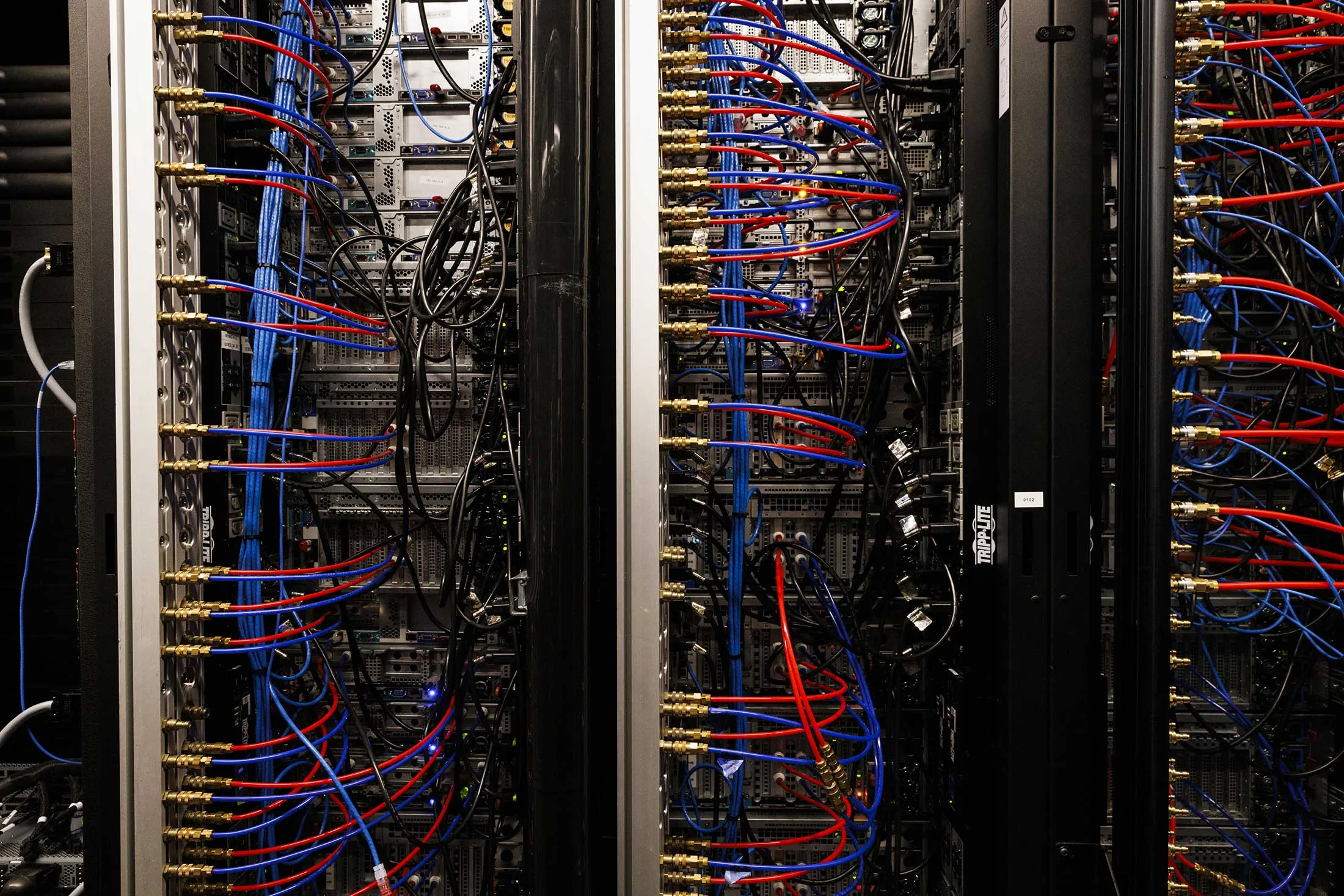
Consider what’s happening in Georgia. The Peach State has a strong manufacturing base and an ever-increasing number of large data centers—more than 50 in total. Over the past year, the state’s largest power company has more than doubled its forecast for demand from committed and potential customers building large power-hungry projects. In 2023, Georgia Power said those projects would need 17 gigawatts of electricity by the mid-2030s, but in November it updated that figure to more than 36GW. For context, a single gigawatt can power about 750,000 homes.
The surge is prompting utilities and their big power-using customers to make some unexpected decisions. After years of watching coal plants retire in droves as power producers sought to curb their planet-warming emissions, some utilities are reversing course on climate goals. Customers are clamoring for so much electricity that operators are keeping their dirtiest fossil fuel plants running longer than expected.
FirstEnergy Corp., based in Akron, Ohio, plans to continue operating its Fort Martin and Harrison coal-fired plants in West Virginia, abandoning an earlier pledge to stop using the fuel by 2030. Other coal plants across the US that were scheduled to close in the next several years are getting life extensions as utilities contend with the increased demand.
Expect to see more climate backtracking in 2025 as regulators stress “reliability”—making sure there’s enough power on the grid so the lights stay on and the data centers continue to hum. “It’s going to be a challenge to keep up with carbon commitments with this new load growth,” says Rob Gramlich, Grid Strategies’ president. Carbon goals are “nice to have,” he says, but “when push comes to shove, states are going to make sure they have reliable and affordable power.”
Trump’s administration is likely to push climate goals back further. The incoming president, a fan of fossil fuels, has said climate change is a hoax and vowed to roll back parts of the Democrats’ signature climate law, the Inflation Reduction Act, which he calls a “green new scam.” He’ll have that may aid utilities that are rethinking their plans to close coal plants.
Policies for claiming some tax incentives under the Inflation Reduction Act haven’t been finalized, and pollution rules from the Environmental Protection Agency could be modified. The new administration is likely to unwind many climate regulations, including those challenged by utilities, coal enthusiasts and red states. Offshore wind, a longtime target of Trump’s ire, may be especially vulnerable, because it’s regulated primarily by federal agencies.
Individual states have broad authority to regulate power plants, and many have become more aggressive about reining in emissions, but the president will still have significant leverage. “Trump could prevent new restrictions from happening, and he could try to unwind some of the ones that are already on the books,” says ClearView’s Fox.
One area that may thrive is nuclear, which has had a surge in interest both from tech companies that need clean energy and from climate advocates who are taking a more favorable view of reactors that supply carbon-free power around the clock. The technology has long benefited from bipartisan support, and Trump has also spoken in favor of it.
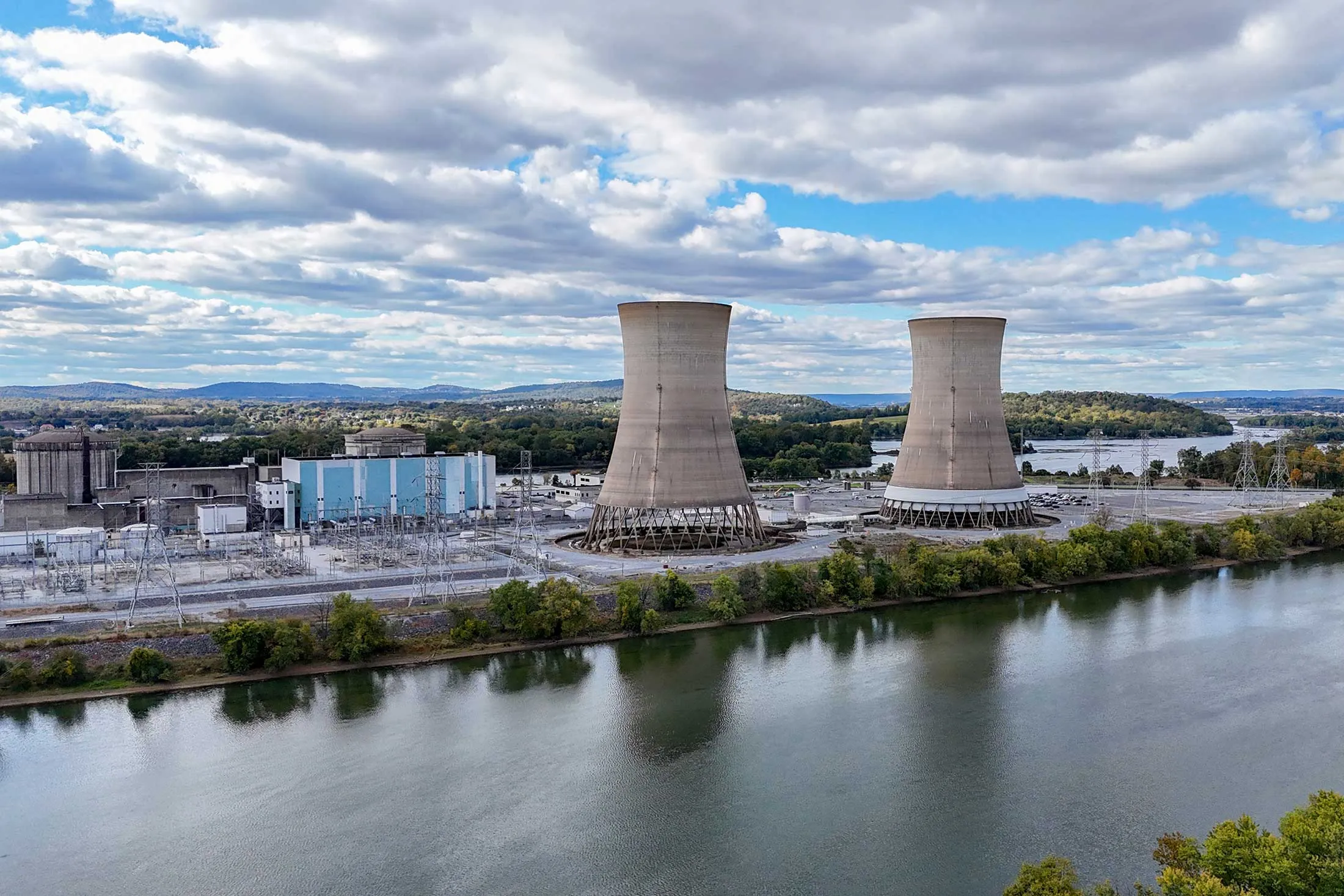
In the past year, major technology companies, including Alphabet, Amazon and Meta, have all announced plans to tap nuclear plants to sate their data centers’ large appetites. Microsoft Corp. has agreed to buy power from a reactor that Baltimore-based Constellation Energy Corp. plans to restart at Three Mile Island, the Pennsylvania facility that was the site of the worst US nuclear accident, in 1979. Having a supporter in the White House may also speed the construction of a new generation of small modular nuclear reactors. Progress on that front has been glacial so far.
For now, it’s hard to predict how Trump may disrupt the energy industry. He’s urging oil and natural gas producers to increase output, has long positioned himself as a friend to coal miners and is pushing for tariffs and trade barriers that would threaten technology key to producing renewable power. Few expect the transition in Washington to be uneventful. Even utility heads who say Trump won’t change their climate plans are gaming out what the new administration means for them. At a recent utility conference in Florida, Bob Frenzel, the chief executive officer of Minneapolis-based Xcel Energy Inc., said he’s going to push the new administration to think about the transmission lines the US needs for the next century.
“I’m trying to step into the administration lingo,” Frenzel said. “Make the grid great again.”
Share This:
More News Articles