In a landmark move to boost decentralized renewable energy adoption, Malaysia’s Ministry of Energy Transition and Water Transformation (PETRA) has launched the Community Renewable Energy Aggregation Mechanism (CREAM) — the nation’s first structured rooftop solar aggregation program.
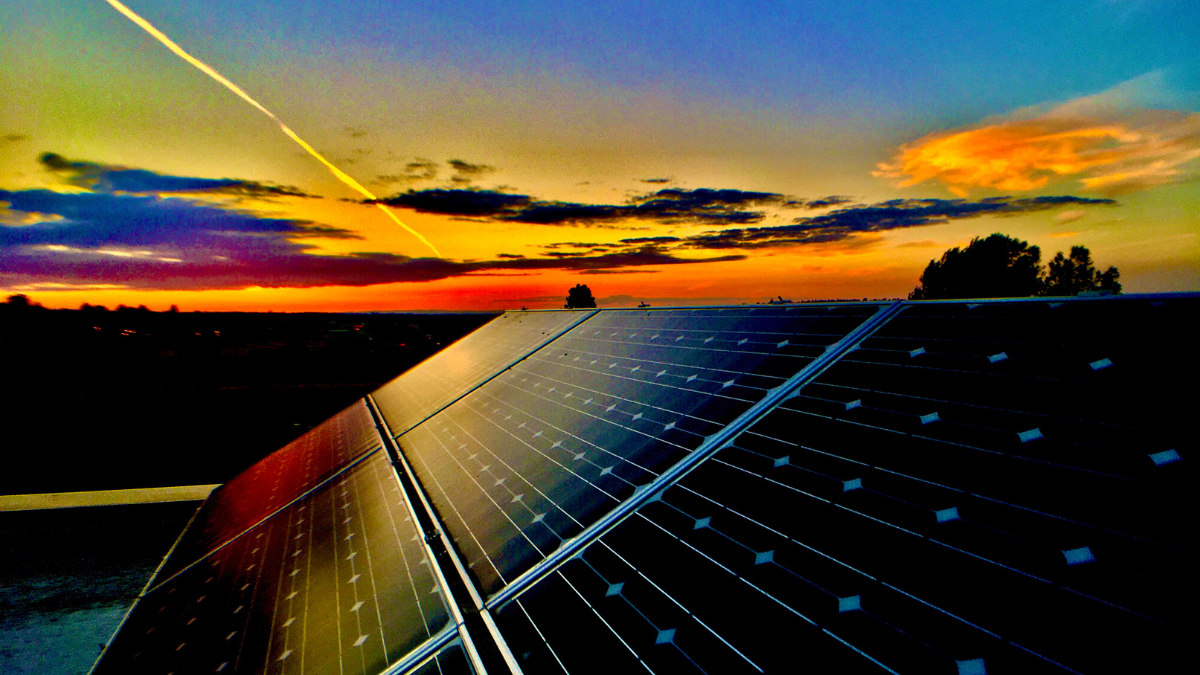
The initiative enables homeowners to lease or rent out their rooftop spaces to third-party developers, who will then install solar photovoltaic (PV) systems to generate green electricity for nearby users. The electricity generated will be supplied to local commercial and domestic consumers located within a 5-kilometer radius, as specified in the program’s framework published by the Energy Commission.
These localized energy clusters will be facilitated by registered Local Energy Generators and Aggregators (LEGA), who are tasked with both developing the rooftop solar infrastructure and managing the contractual agreements with homeowners. This model is designed to create community-scale energy ecosystems while minimizing the complexity typically associated with individual installations.
Electricity produced under the scheme must be transmitted through the distribution network operated by Tenaga Nasional Berhad (TNB), Malaysia’s national utility provider. TNB will also take responsibility for implementing grid-balancing measures at the local level to address potential fluctuations caused by intermittent solar energy generation.
PETRA stated that the CREAM program is built on the principle of open grid access, ensuring that the initiative remains cost-neutral to the national electricity supply system. The ministry reassured consumers that the program will not lead to any increase in electricity tariffs.
“This is a significant step in our transition roadmap — a shift not just in technology adoption but in energy ownership and democratization,” said a ministry representative. “CREAM is designed to empower communities while supporting the country’s broader climate and sustainability commitments.”
The program aligns with Malaysia’s renewable energy targets of achieving 40% of installed electricity capacity from renewable sources by 2035, and 70% by 2050.
CREAM follows the implementation of the Corporate Renewable Energy Supply Scheme (CRESS) introduced in September 2024, which allows commercial and industrial entities to procure green electricity directly from renewable energy developers via the national grid.
In addition to this initiative, Malaysia launched a fresh tender round for its large-scale solar program in January 2025, continuing efforts to scale up utility-scale solar development. According to the latest data from the International Renewable Energy Agency (IRENA), Malaysia’s cumulative solar capacity rose to 2,306 megawatts by the end of 2024, up from 2,146 megawatts in 2023.
The CREAM program represents a pivotal policy step toward decentralizing Malaysia’s energy landscape and integrating community-driven solutions into the national energy mix.