Malaysian Prime Minister Anwar Ibrahim unveiled the country’s 13th Malaysia Plan (13MP) on July 31, outlining a strategic roadmap for sustainable development and a low-carbon future. The five-year blueprint includes a target of achieving a 35% share of renewable energy in the national power generation mix by 2030, expanded power grid interconnection, and the revival of Malaysia’s nuclear energy program.
The 13MP, which spans 2025–2030, earmarks RM 430 billion (approximately USD 100 billion) in public and private investments. The plan is structured around three core themes and nine strategic thrusts, aiming to position Malaysia among the top 30 economies globally and strengthen its standing within Asia.
Renewable Energy, Grid Expansion, and Cross-Border Trade
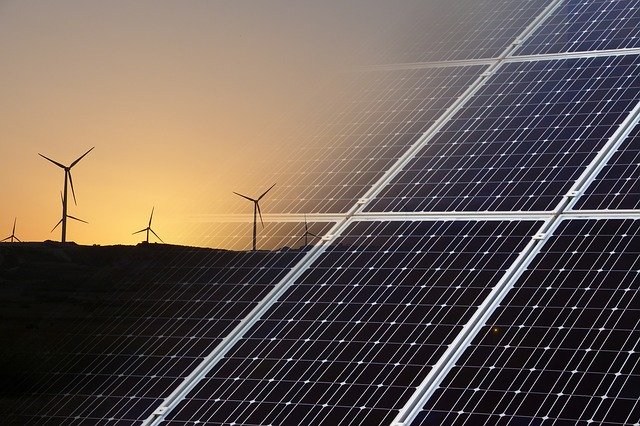
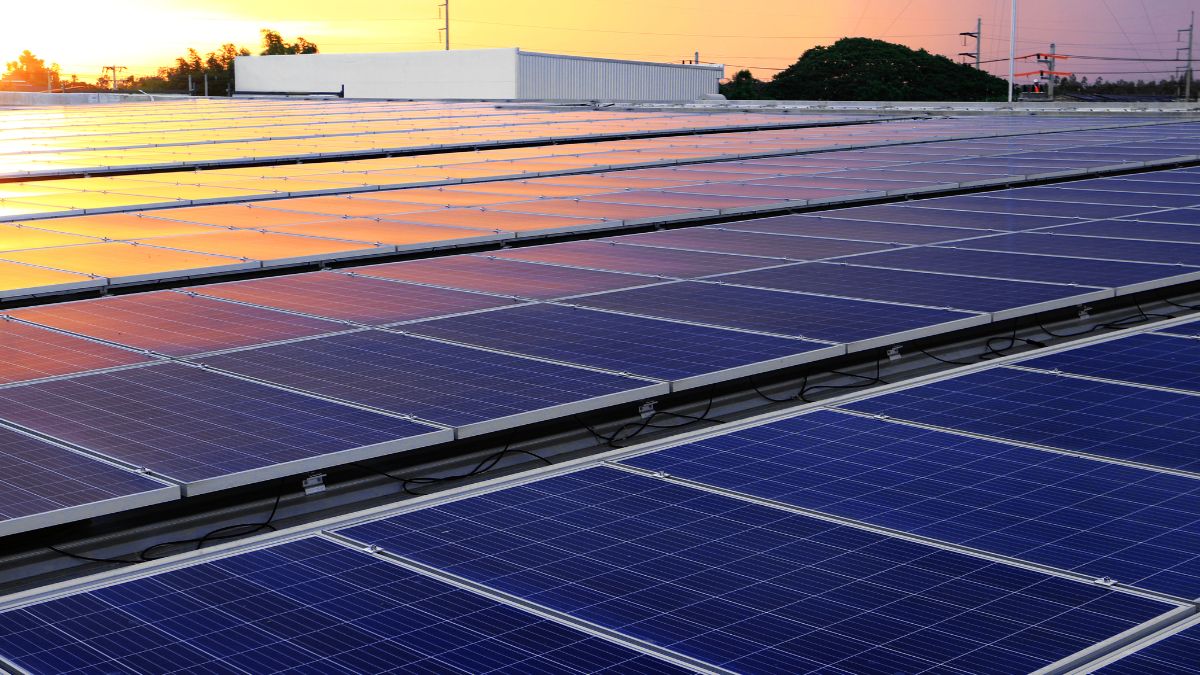
A central component of the plan is enhancing renewable energy capacity. Malaysia aims to raise its installed renewable energy share to 35% by 2030, up from 29% in 2024. The state of Sarawak has already surpassed this goal, with renewables accounting for 62% of its energy mix.
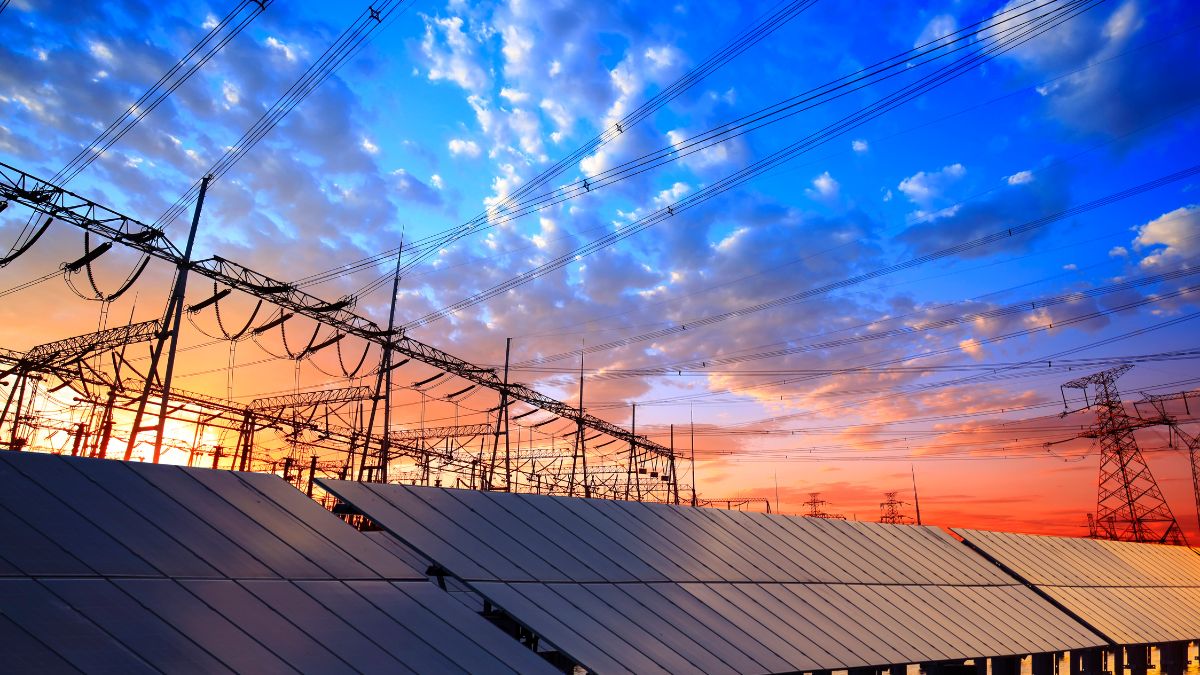
To support the transition, the government plans to enhance grid connectivity between Peninsular Malaysia and Sarawak. This interconnection is expected to facilitate greater green electricity exports and further integration into the ASEAN Power Grid (APG), enabling cross-border energy trade in the region.
Presenting the plan to Parliament, Prime Minister Anwar emphasized the need for a cost-reflective electricity market—one that accurately reflects generation, transmission, and renewable integration costs. He stated that this reform would boost system efficiency and attract long-term energy investments.
Nuclear Energy Reintroduced as Low-Carbon Solution
In a major policy shift, the 13MP reintroduces nuclear power into Malaysia’s energy portfolio. The plan proposes that nuclear energy be added to the national grid by 2031, marking the country’s return to nuclear ambitions that were previously shelved in the aftermath of Japan’s Fukushima disaster.
The nuclear initiative will be overseen by MyPower Corp, an agency under the Ministry of Energy and Water Transformation (PETRA), and will follow the guidelines of the International Atomic Energy Agency (IAEA) to ensure safety and compliance with international standards.
Support Mechanisms and Clean Energy Innovation
To accelerate green energy adoption, the government will continue its support for existing schemes such as the Community Renewable Energy Acculturation Mechanism (CREAM) and the Corporate Green Energy Supply Program (CRESS). These initiatives aim to increase participation from both the public and private sectors in renewable energy markets.
The rollout will be financed in part by the National Energy Transition Fund (NETF), which uses blended finance mechanisms to support the development of decarbonization technologies and industries.
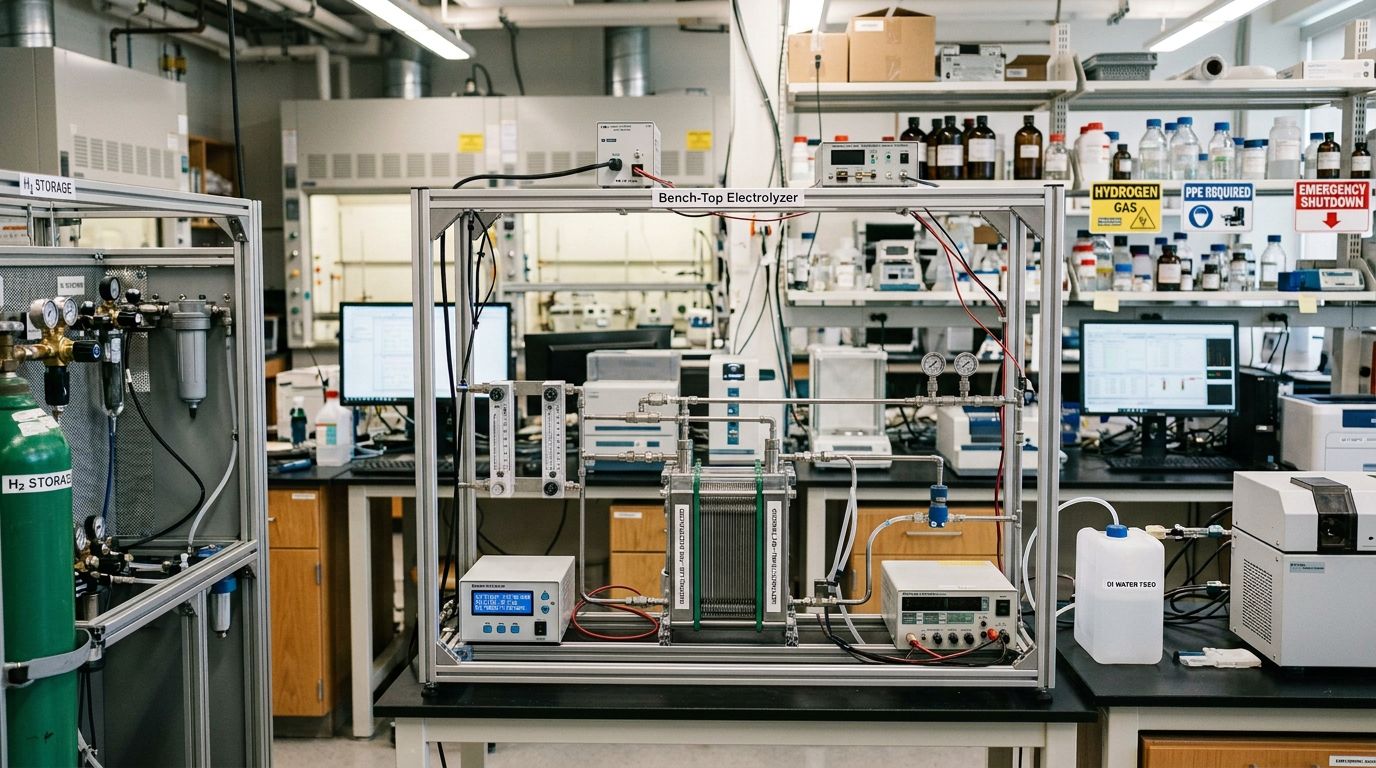
Further efforts include scaling up floating solar PV, hydropower, and green hydrogen production hubs in areas like Hulu Terengganu. The government also plans to mandate a 5% blend of Sustainable Aviation Fuel (SAF) in the aviation sector by 2030.
The 13th Malaysia Plan underscores the country’s intent to become a regional leader in clean energy and green industrial growth, setting the stage for a diversified, low-carbon economy over the next decade.
Subscribe to get the latest posts sent to your email.