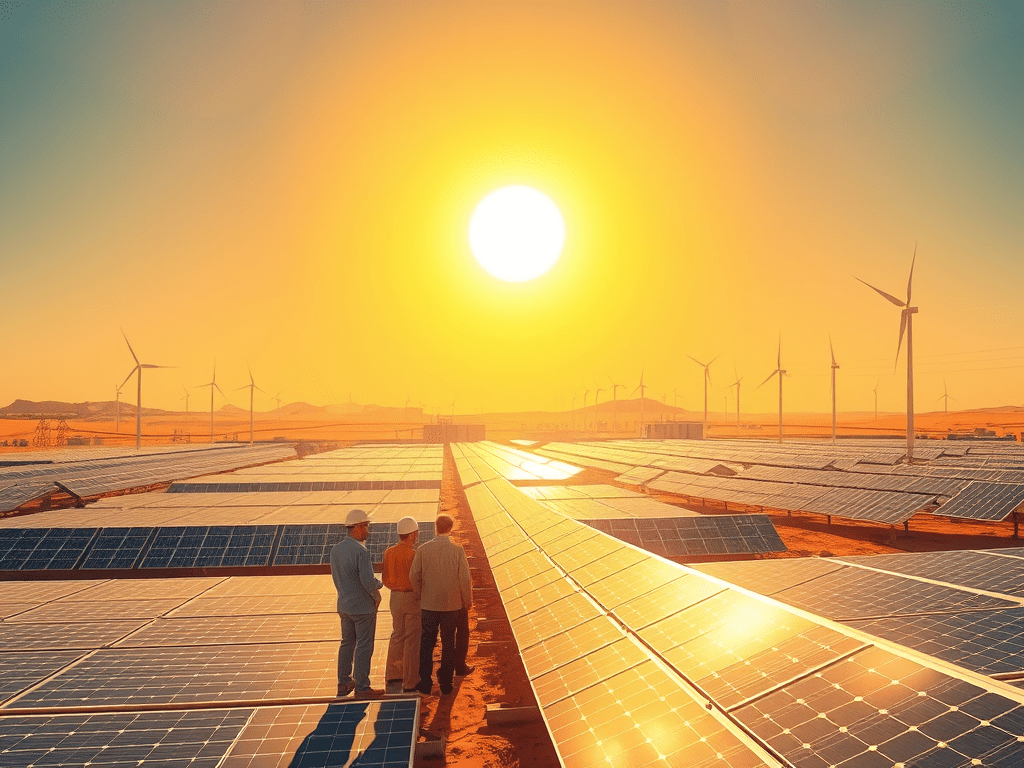
Renewable energy investment in the Middle East has grown strongly, rising by 28% over the past year. A recent report by Ansarada and Infralogic shows that investments in the region reached $12.9 billion in 2025, compared to $10.1 billion in 2024. This increase reflects a wider global trend, with clean energy investment worldwide approaching half a trillion dollars.
One of the main drivers behind this growth is the rapid expansion of Artificial Intelligence (AI). AI systems, especially data centers, require large amounts of electricity to operate. In the United States, data center power consumption is expected to reach 409 terawatt-hours by 2030. To meet such rising demand, many companies are shifting toward renewable energy sources. In the Middle East, the United Arab Emirates is taking a leading role by promoting itself as a hub for AI development, which is increasing the need for a reliable and clean power supply.
The region also has certain advantages compared to Western markets like Europe and North America. In many Western countries, renewable energy projects often face delays due to complex approval processes and outdated grid infrastructure. In contrast, the Middle East follows a “sovereign-backed” approach, where governments actively support project development. This allows projects to move faster from planning to execution. A key strategy used in the region is building power generation facilities and transmission networks simultaneously, which helps deliver electricity to users more quickly.
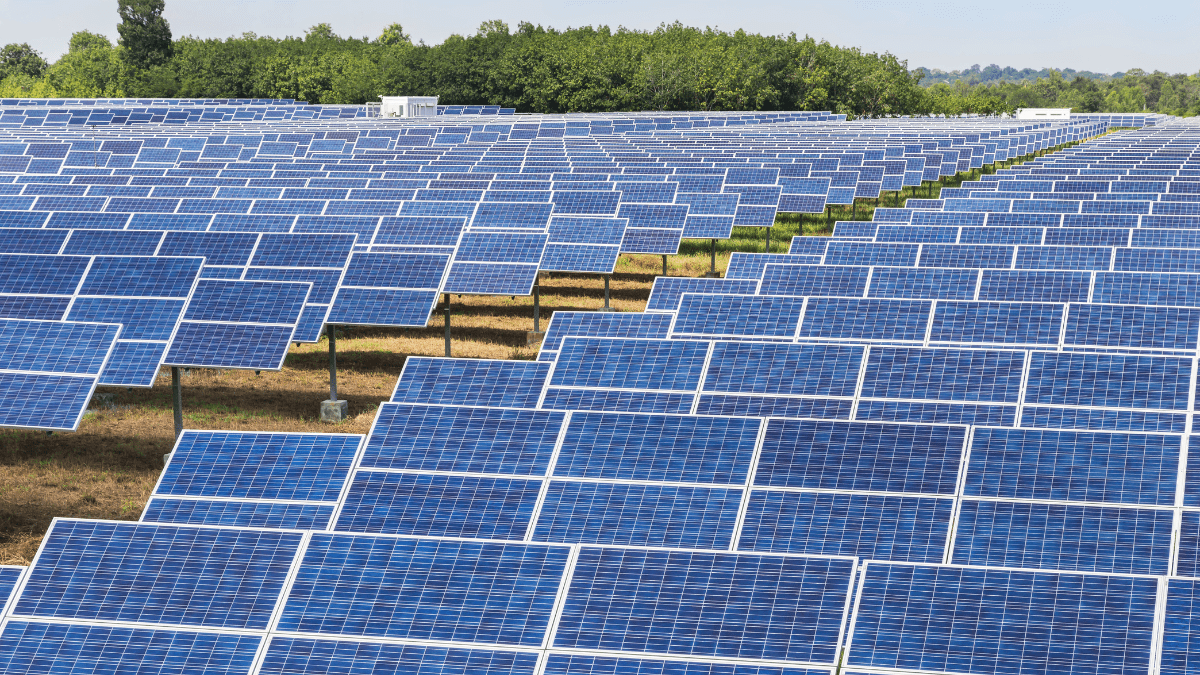
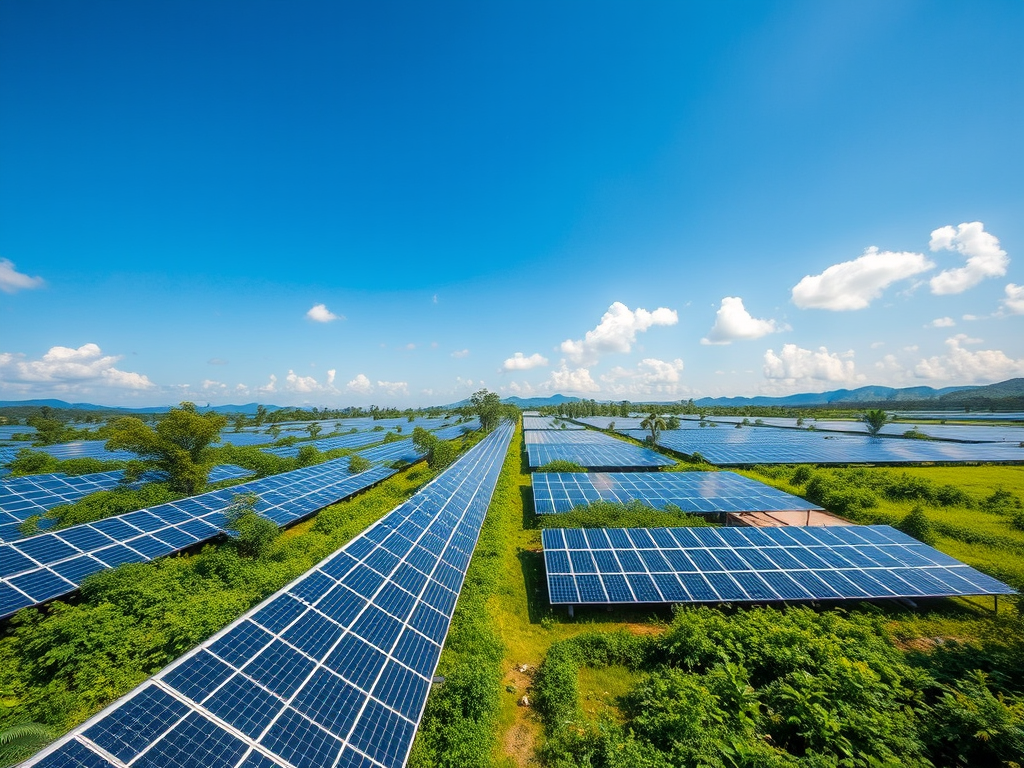
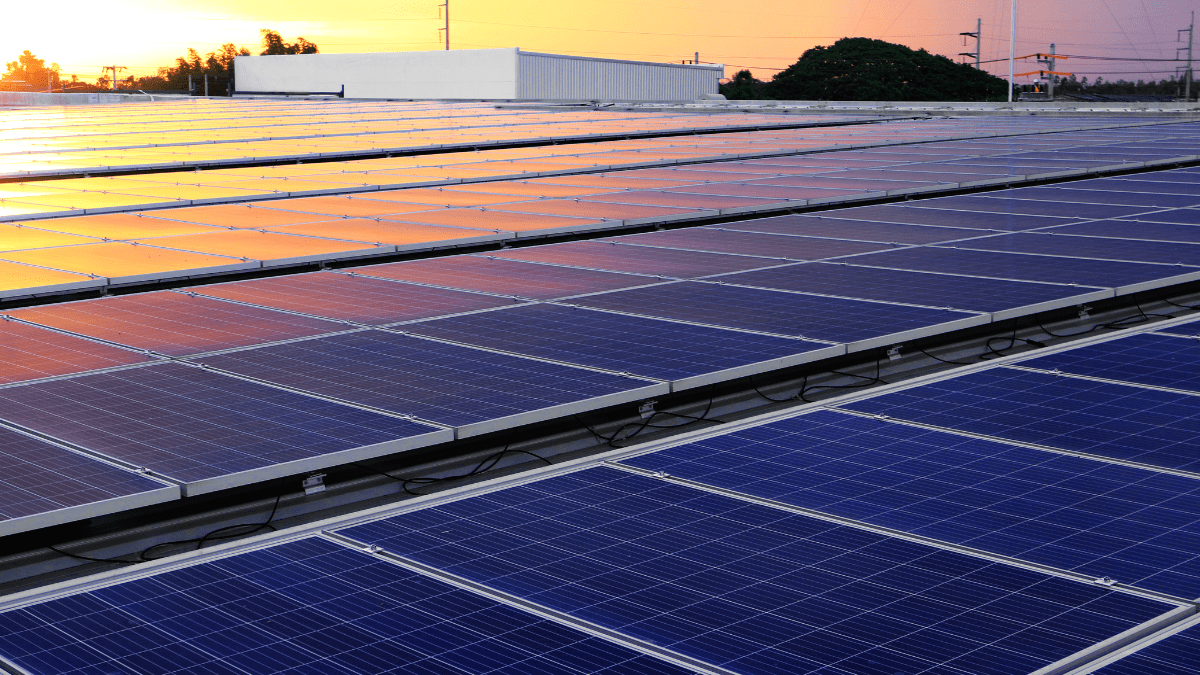
Despite these advantages, there are still challenges. One major issue is ensuring energy availability when solar power is not being generated, such as at night. To address this, developers are increasingly focusing on solar-plus-storage systems that combine solar panels with large battery storage. While effective, these systems are more complex to design and manage.
Another concern highlighted in the report is the lack of integration in technology systems. Many companies use multiple software platforms to manage projects, and a large number still rely on basic tools like email for important communications. This fragmented approach can lead to inefficiencies, errors, and delays in project execution.
Environmental, Social, and Governance (ESG) standards are also becoming increasingly important. Around 90% of industry experts believe that transparency is essential for securing investment. Overall, the Middle East is emerging as a strong destination for renewable energy investment due to its government support and faster project execution, helping it overcome challenges seen in other regions.
Subscribe to get the latest posts sent to your email.