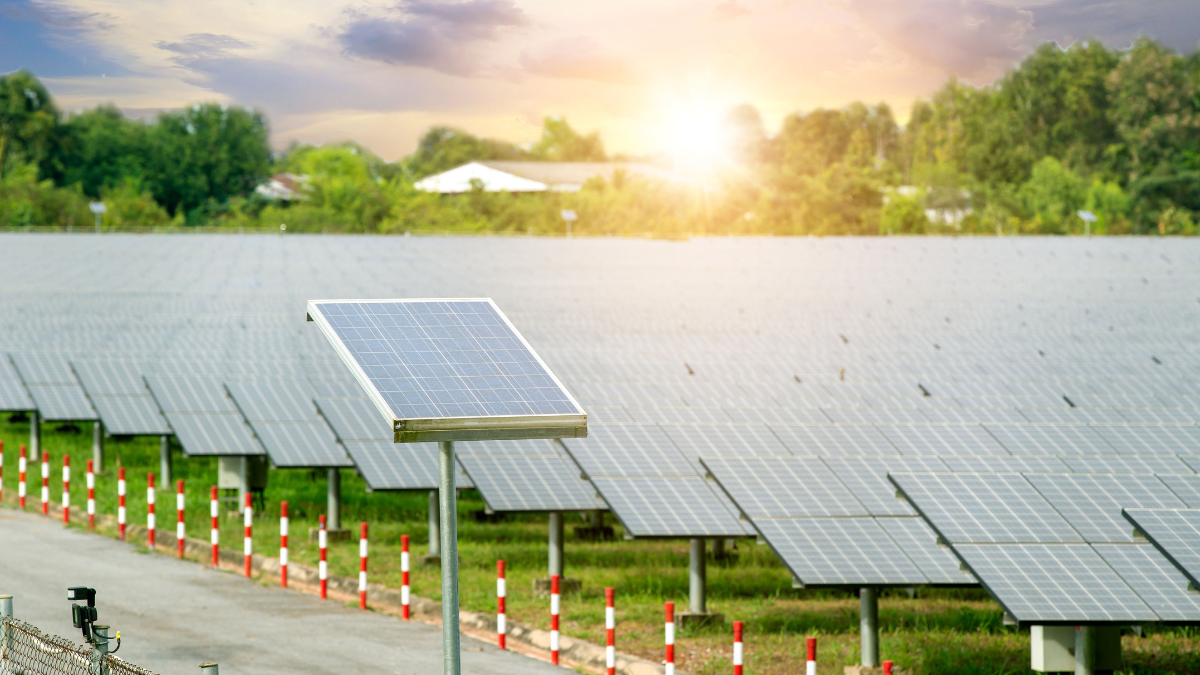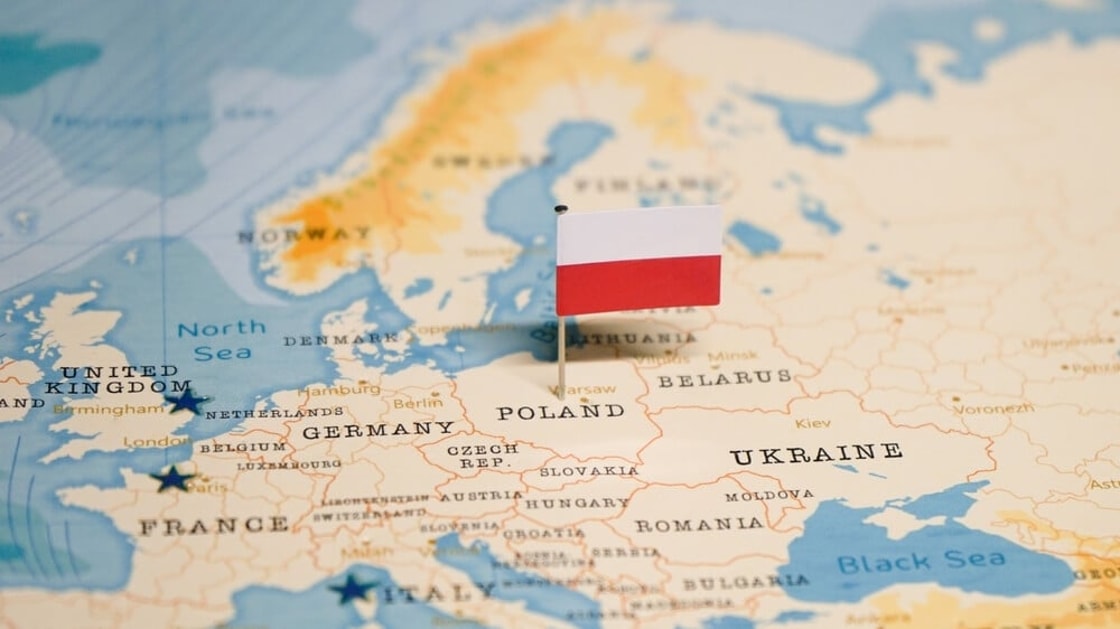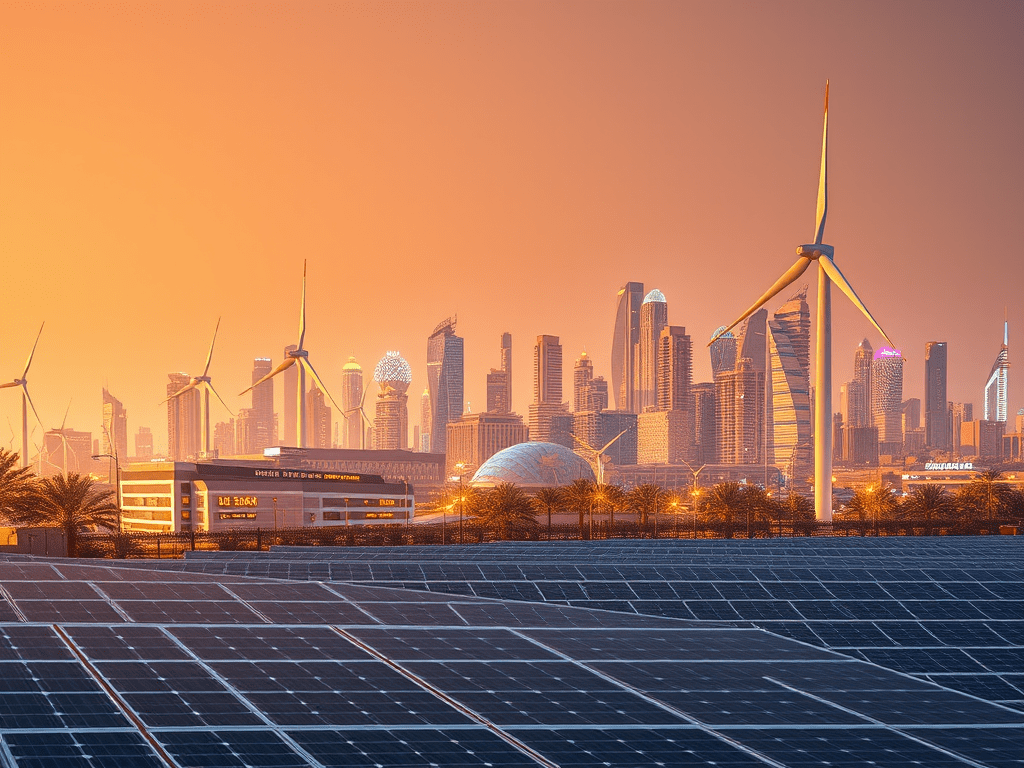
Investment in renewable energy projects in the Middle East is rising strongly, reflecting the region’s growing focus on energy security and large-scale infrastructure development. A recent report by Ansarada, prepared in partnership with Infralogic, shows that investment in the region increased by 28% year-on-year. Total investment reached US$12.9 billion in 2025, compared to US$10.1 billion in 2024, highlighting increasing confidence among investors.
Globally, renewable energy investment has also seen significant growth, reaching US$496 billion. One of the main drivers behind this surge is the rapid expansion of artificial intelligence (AI) infrastructure, which requires large amounts of reliable electricity. The report, based on a survey of 150 senior executives across APAC, EMEA, and the Americas, indicates that 25% of respondents consider the Middle East a top growth market for renewable energy.
The region is gaining attention partly because of challenges faced in Western markets. Europe and North America are dealing with grid congestion and long delays in project approvals. In contrast, Middle Eastern countries are benefiting from strong government support and faster decision-making processes. This allows them to mobilise supply chains quickly and develop projects without the long waiting periods seen elsewhere.
A key advantage in the Middle East is its integrated approach to energy development. Instead of building renewable energy projects and transmission systems separately, both are developed at the same time. This reduces delays and helps projects become operational faster. The use of sovereign funding and clear regulatory systems further supports this model, enabling large-scale deployment.
Industry experts highlight that this coordinated method is very different from the fragmented approach often seen in Western countries. By planning projects in a more unified way, the region is able to deliver results more efficiently and avoid common bottlenecks.
The growing demand for AI is adding urgency to renewable energy expansion. The notes that global investment in AI infrastructure could exceed US$500 billion in 2026. At the same time, electricity consumption by data centres in the United States is expected to reach 409 terawatt-hours by 2030. This increasing demand is pushing countries to expand renewable energy capacity quickly.
In the Middle East, the United Arab Emirates is emerging as a major AI hub. This is increasing the need for strong and reliable energy systems that can support high computing loads. As a result, there is a shift from traditional solar projects to more advanced “solar-plus-storage” systems. These systems combine solar power with battery storage to ensure a stable and continuous electricity supply, but they also increase the complexity of project planning and procurement.
Battery energy storage is becoming an important part of the energy mix. Around 34% of respondents in the EMEA region expect strong growth in large-scale storage projects. However, challenges remain, including macroeconomic uncertainty and high interest rates, both cited by 44% of respondents.
The report also highlights issues in procurement processes. Although 91% of organisations use specialised software, many still rely on multiple disconnected systems. On average, companies use three to four different tools, and more than half still depend on email for sensitive communication. This creates inefficiencies and risks.
Only 37% of respondents globally consider their procurement processes to be very efficient, and the figure is even lower in EMEA. While most organisations believe their processes are transparent internally, many admit that external stakeholders often find them unclear, which can lead to disputes.
Environmental, social, and governance (ESG) factors are becoming increasingly important. In the EMEA region, 80% of respondents have integrated ESG into their procurement processes, and 90% consider transparency and auditability to be very important. Without proper ESG data, projects may struggle to secure funding or qualify for tenders.
Overall, the Middle East is showing how a coordinated and well-supported approach can accelerate renewable energy development. By combining integrated planning with improved digital systems, the region is positioning itself as a key player in the global energy transition.
Subscribe to get the latest posts sent to your email.