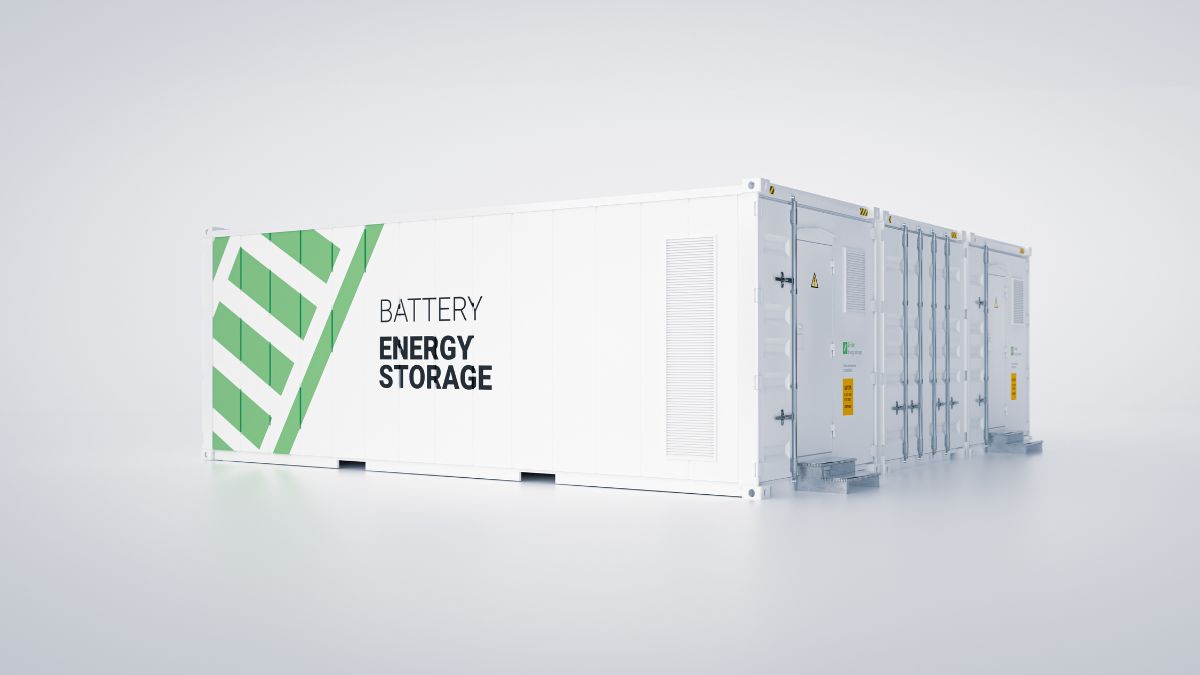
The Ministry of Power has made key changes to the operational guidelines for the Viability Gap Funding Scheme for Battery Energy Storage Systems. These changes were communicated in a letter dated August 4, 2025, to the Principal Secretaries of Energy in several states. The main focus of these amendments is to promote the use of indigenous software and to ensure that battery energy storage systems installed in the country meet high-quality standards.
One of the most important changes is the introduction of a new clause, numbered 3.9, which mandates that the application software for the Energy Management System of the BESS must be developed indigenously within India. This is a major step towards encouraging the use of homegrown technology in energy projects and promoting self-reliance in this vital sector.
Another important amendment is the revision of clause 3.6. This clause now clarifies the responsibilities for grid connectivity and land. The updated version of the clause states that the project can be connected either to the intra-state transmission system or the inter-state transmission system. However, the responsibility for arranging grid connectivity and land will lie as per the provisions of the Request for Selection document. This clarification is expected to help project developers understand their roles and duties more clearly and plan their projects accordingly.
In addition to these two major updates, the Ministry has also added a new sub-clause under Guideline 4. This new clause focuses on quality assurance and addresses concerns about the use of second-hand materials. It clearly states that the Eligible Entity or the Renewable Energy Implementing Agency will be responsible for ensuring that the installed BESS is of the required quality and that refurbished battery cells are not used in any part of the project. This measure is aimed at protecting the long-term performance and safety of the energy storage systems being installed across the country.
The Ministry’s letter was sent to the Principal Secretaries of Energy of several key states, including Rajasthan, Gujarat, Maharashtra, Tamil Nadu, Karnataka, Andhra Pradesh, Madhya Pradesh, Telangana, Uttar Pradesh, Haryana, Kerala, Punjab, Chhattisgarh, Odisha, and Uttarakhand. These are the states that are expected to play a major role in the rollout of battery energy storage systems under the VGF scheme.
In addition to state officials, the letter was also shared with several key stakeholders at the central level. This includes the Chairperson of the Central Electricity Authority, the Chairmen and Managing Directors of NTPC and Grid India, and senior officials at the Ministry of Power, including the Secretary and Additional Secretary.
The changes reflect India’s continued commitment to expanding its renewable energy capacity with the help of reliable and domestically supported battery storage systems. The focus on indigenous software development and quality assurance underlines the government’s strategy to strengthen the country’s energy infrastructure while supporting the local technology ecosystem.
Subscribe to get the latest posts sent to your email.