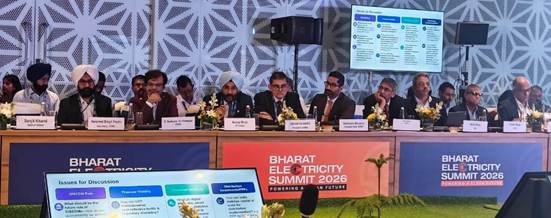
The Ministry of Power has released the Draft National Electricity Policy (NEP) 2026, outlining a strategic plan to transform India’s power sector in line with the country’s long-term vision of “Viksit Bharat @ 2047.” The policy builds on the 2005 framework while addressing new challenges such as the energy transition, financial stress in distribution, and the need for a resilient and digitalized electricity grid.
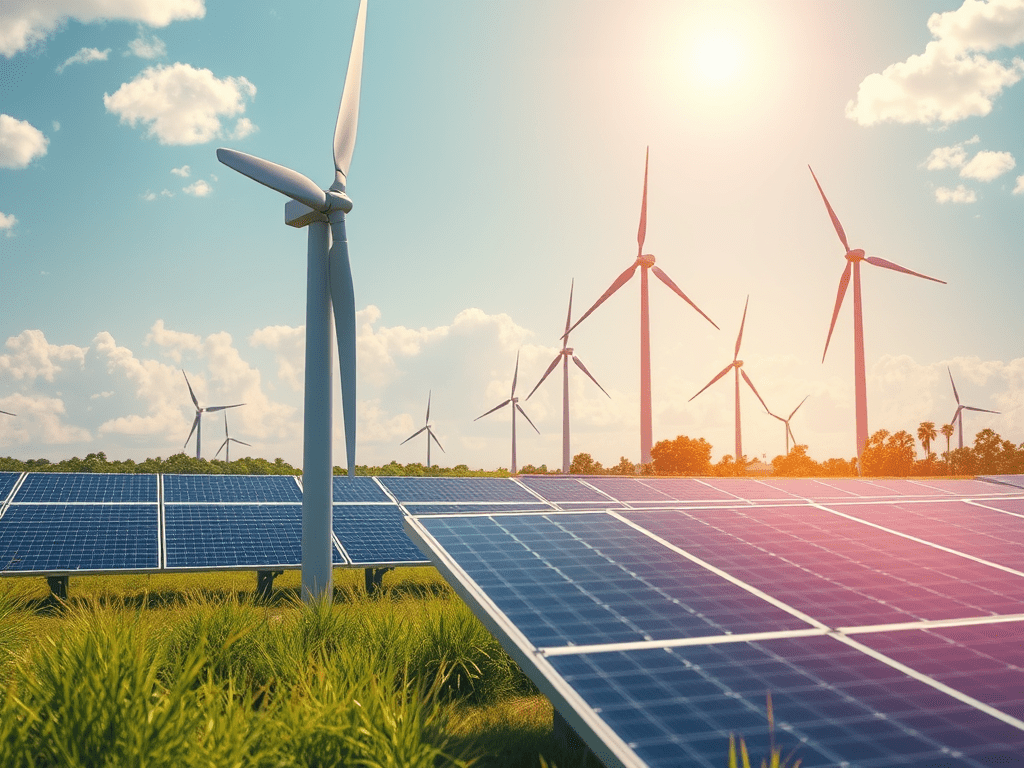
A key focus of the NEP 2026 is achieving energy independence through a low-carbon growth path. The policy sets ambitious targets for per capita electricity consumption, aiming for 2,000 kWh by 2030 and over 4,000 kWh by 2047. To meet these goals and climate commitments, India plans to expand its non-fossil fuel energy capacity, targeting 500 GW by 2030. Nuclear power is also given a central role to reach 100 GW by 2047. While renewable energy will be prioritized, the policy acknowledges that coal-based thermal power will continue to play a crucial role in ensuring a reliable base-load supply in the near term.
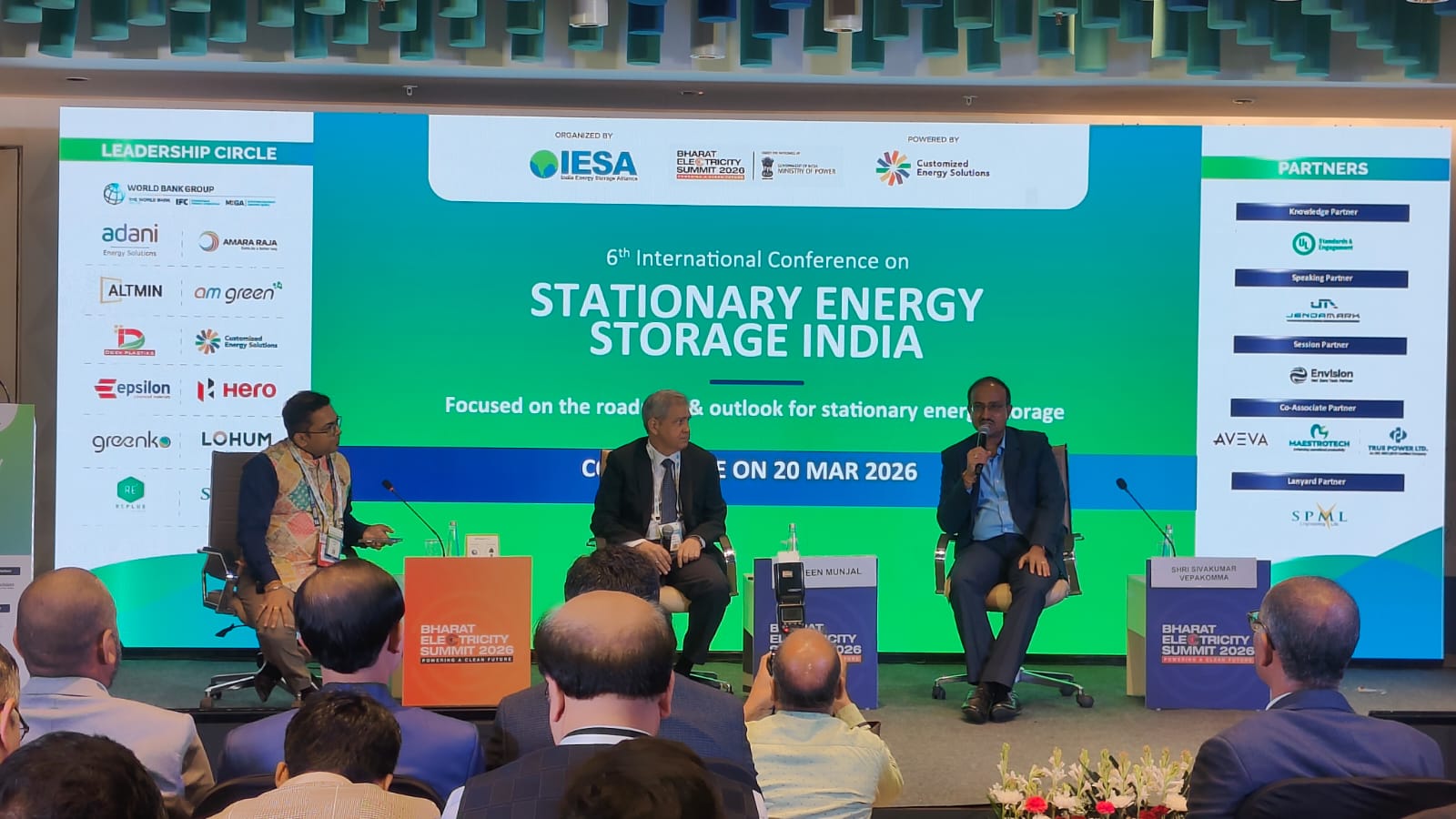
The draft introduces a structured approach called “Resource Adequacy” to ensure a reliable 24×7 power supply at national, state, and utility levels. This mechanism includes long-term demand forecasting and encourages the deployment of Energy Storage Systems (ESS), such as Pumped Storage Projects and Battery Energy Storage, to manage the variability of solar and wind power. This initiative is expected to improve grid stability and allow greater integration of renewable energy into the system.
Financial sustainability is another major goal of the policy. Distribution companies, or DISCOMs, have long faced financial losses, and the NEP 2026 seeks to address this by enforcing cost-reflective tariffs and reducing cross-subsidies that increase industrial electricity costs. From the financial year 2026-27, state electricity regulators will be required to ensure that tariffs fully cover the cost of service, without generating “regulatory assets” that defer losses. The policy also encourages private investment and public-private partnerships to improve efficiency, introduce competition, and attract capital to the sector.
Consumer interests are highlighted as a central component of the new policy. NEP 2026 mandates 24×7 quality power supply and introduces a framework to compensate consumers if performance standards are not met. The policy promotes digital tools such as smart metering, prepaid billing, and online grievance redressal to enhance transparency and improve service delivery. These measures aim to make electricity services more responsive to consumer needs while supporting efficient usage.
As India moves toward a digitalized power sector, cybersecurity is given significant attention. The policy requires that power sector data be stored within India to maintain data sovereignty and protect critical infrastructure. This framework will help safeguard the digital operations of utilities and ensure that sensitive information remains secure.
Overall, the Draft National Electricity Policy 2026 envisions a power sector that is financially strong, environmentally sustainable, technologically advanced, and capable of supporting India’s development goals. By focusing on energy independence, resource adequacy, financial viability, consumer satisfaction, and cybersecurity, the policy sets a roadmap for a modern and resilient electricity system that can meet the growing demand of the country while contributing to global climate goals.
The NEP 2026 represents a significant step in India’s journey toward becoming a developed nation, ensuring that electricity plays a central role in economic growth, industrial development, and improving the quality of life for all citizens.
Subscribe to get the latest posts sent to your email.