MIT-Led Study Finds Liquid Air Energy Storage a Promising Low-Cost Grid Solution

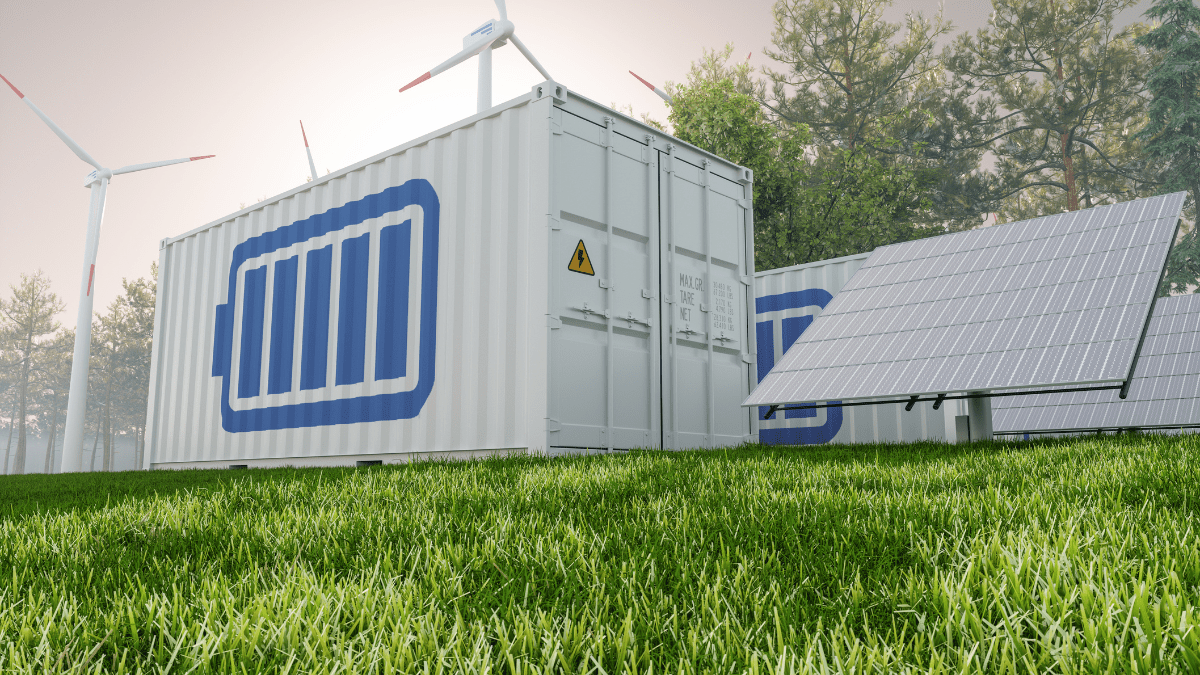
Representational image. Credit: Canva

A new study by researchers from MIT and the Norwegian University of Science and Technology (NTNU) identifies liquid air energy storage (LAES) as a highly promising and potentially low-cost solution for long-duration energy storage in future carbon-free power grids.

As grids increasingly rely on intermittent renewable sources like solar and wind, the need for scalable, reliable storage becomes critical. LAES works by drawing in ambient air, cooling it to a liquid state using surplus electricity, storing it in insulated tanks, and later reheating it to drive turbines and regenerate electricity when needed. The process emits no pollutants and uses only air and electricity, making it one of the cleanest storage options available.

Funded by the MIT Energy Initiative’s Future Energy Systems Center, the team developed a model simulating LAES viability under eight decarbonization scenarios across 18 U.S. regions through 2050. Findings revealed that LAES could be economically viable in select regions like Texas and Florida—especially under aggressive climate targets.

One key advantage of LAES is its flexibility: it can be deployed almost anywhere and leverages commercially available components without relying on rare or expensive materials. Co-location with industrial processes could also enhance efficiency by using available waste heat or cold.

While current economics may not yet fully favor the technology, the study found that capital subsidies of 40–60% could make it viable under realistic scenarios. With a levelized cost of storage (LCOS) around $60/MWh, significantly lower than lithium-ion or pumped hydro, LAES may soon become a cornerstone of resilient, sustainable energy systems.

The study is published in the journal Energy.

 

  • Related Posts

    Solar & Storage Ethiopia 2026 Concludes with a Grand Celebration of Renewable Energy Leadership, Innovation, and Industry Excellence

    Solar & Storage Ethiopia 2026 reached a defining high point with the Solar & Storage Ethiopia Awards 2026, an evening that brought together the most respected names across Ethiopia’s solar…

    MNRE Notifies Green Methanol Standard Under National Green Hydrogen Mission

    The Government of India has taken a major step toward reducing carbon emissions in the industrial and energy sectors by officially notifying the Green Methanol Standard for India. The announcement…

    Have You Seen?

    India’s gas cuts signal wider Asian pain as Gulf LNG crisis worsens

    • March 3, 2026
    India’s gas cuts signal wider Asian pain as Gulf LNG crisis worsens

    India’s gas cuts signal wider Asian pain as Gulf LNG crisis worsens

    • March 3, 2026
    India’s gas cuts signal wider Asian pain as Gulf LNG crisis worsens

    U.S. Not Planning To Tap Strategic Petroleum Reserve Immediately

    • March 3, 2026
    U.S. Not Planning To Tap Strategic Petroleum Reserve Immediately

    Asian Refiners Mull Slashing Crude Processing as Iran War Threatens Supply

    • March 3, 2026
    Asian Refiners Mull Slashing Crude Processing as Iran War Threatens Supply

    European Gas Prices Soar 30% as Qatar Halts LNG Output

    • March 3, 2026
    European Gas Prices Soar 30% as Qatar Halts LNG Output

    Oil Prices Surge to $84 as Supply Risk Becomes Real

    • March 3, 2026
    Oil Prices Surge to $84 as Supply Risk Becomes Real

    Middle East conflict underlines need for UK ‘to maximise existing reserves’

    • March 3, 2026
    Middle East conflict underlines need for UK ‘to maximise existing reserves’

    US LNG Exports Grew in February, New Output Could Help Fill Qatar Supply Gap

    • March 3, 2026
    US LNG Exports Grew in February, New Output Could Help Fill Qatar Supply Gap

    Oil Prices Keep Climbing as Expanding Conflict Heightens Supply Risks

    • March 3, 2026
    Oil Prices Keep Climbing as Expanding Conflict Heightens Supply Risks

    Analysts Warn of Largest Oil Supply Disruption in History

    • March 3, 2026
    Analysts Warn of Largest Oil Supply Disruption in History