MIT Proposes Local Electricity Markets to Boost Grid Resilience Using Smart Home Devices

Representational image. Credit: Canva

MIT researchers have unveiled a novel approach to strengthen the resilience of local power grids by tapping into everyday smart home technologies. Published in the Proceedings of the National Academy of Sciences, the study proposes a decentralized “local electricity market” that enables residential grid-edge devices—like rooftop solar panels, EV chargers, batteries, and smart thermostats—to stabilize the power grid during emergencies such as cyberattacks or natural disasters.

These grid-edge devices, located close to consumers rather than centralized power infrastructure, can generate, store, or manage power consumption. The MIT team developed an algorithm that can, in crisis scenarios, identify a trusted subset of these devices and instruct them to either supply power to the grid or reduce consumption. This response could help restore service or relieve pressure on a compromised grid.

Under this system, device owners would subscribe to a regional market and lend their devices as part of a flexible, microgrid-like network. In exchange, they could receive compensation based on their contributions. Through simulations involving different failure scenarios, the study demonstrated that this distributed system could successfully neutralize disruptions across various parts of the grid.

Co-authored by Vineet Nair, John Williams, and Anu Annaswamy from MIT’s Department of Mechanical Engineering, along with researchers from the Indian Institute of Technology and the National Renewable Energy Laboratory, the study illustrates how coordinated adaptation of everyday devices could revolutionize grid resilience. As Annaswamy notes, “If we can harness our smart dishwashers, rooftop panels, and EVs… we can really have a resilient grid.”
 

  • Related Posts

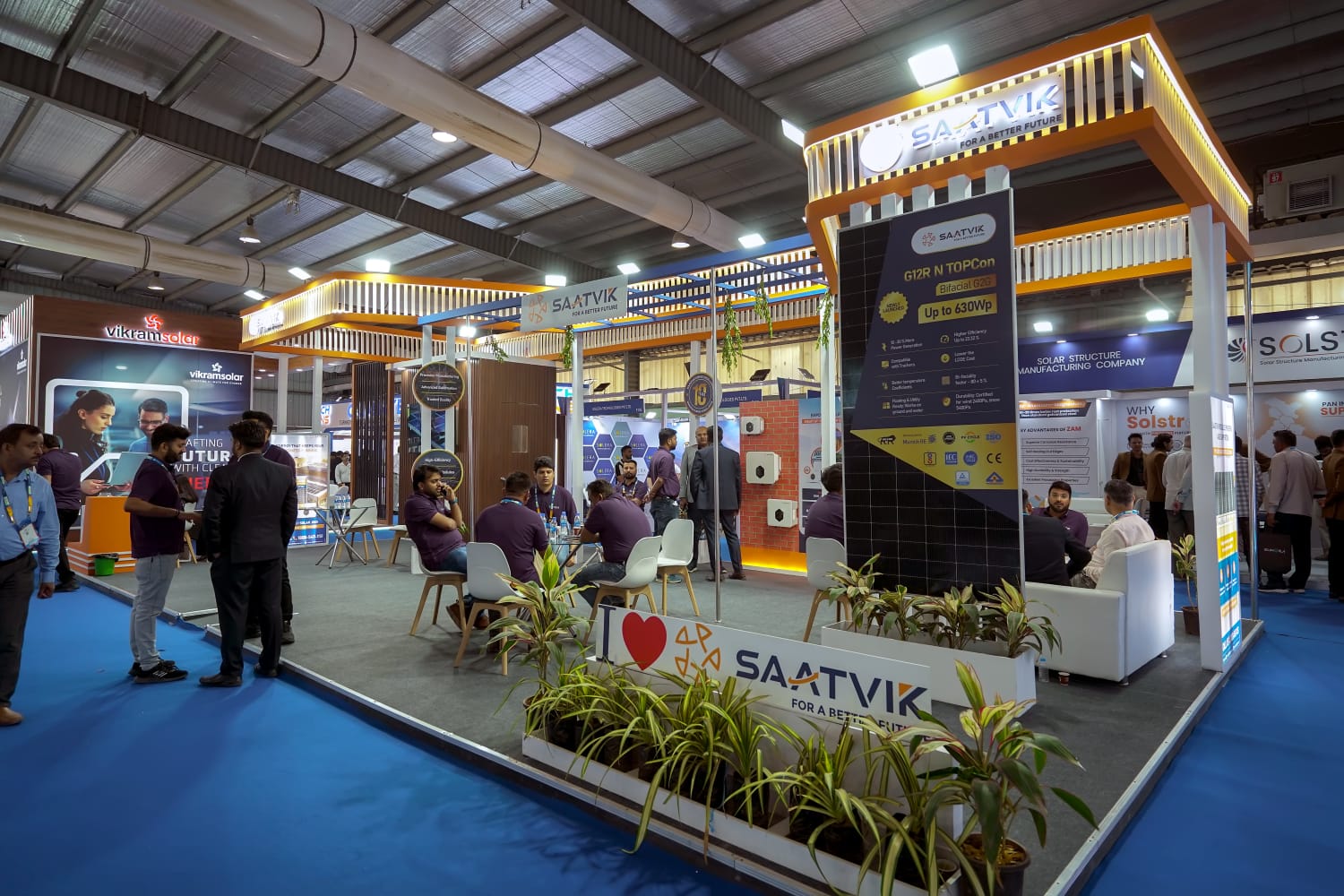
    Saatvik Solar Displays Comprehensive Solutions at The smarter E India

    Saatvik Solar recently participated in The smarter E India 2026, held from February 25–27, 2026 at the Helipad Exhibition Centre. Visitors engaged with the Saatvik team at Booth E111 –…

    AI-Driven Inverse Design Enables Full-Color, High-Efficiency Semitransparent Perovskite Solar Cells

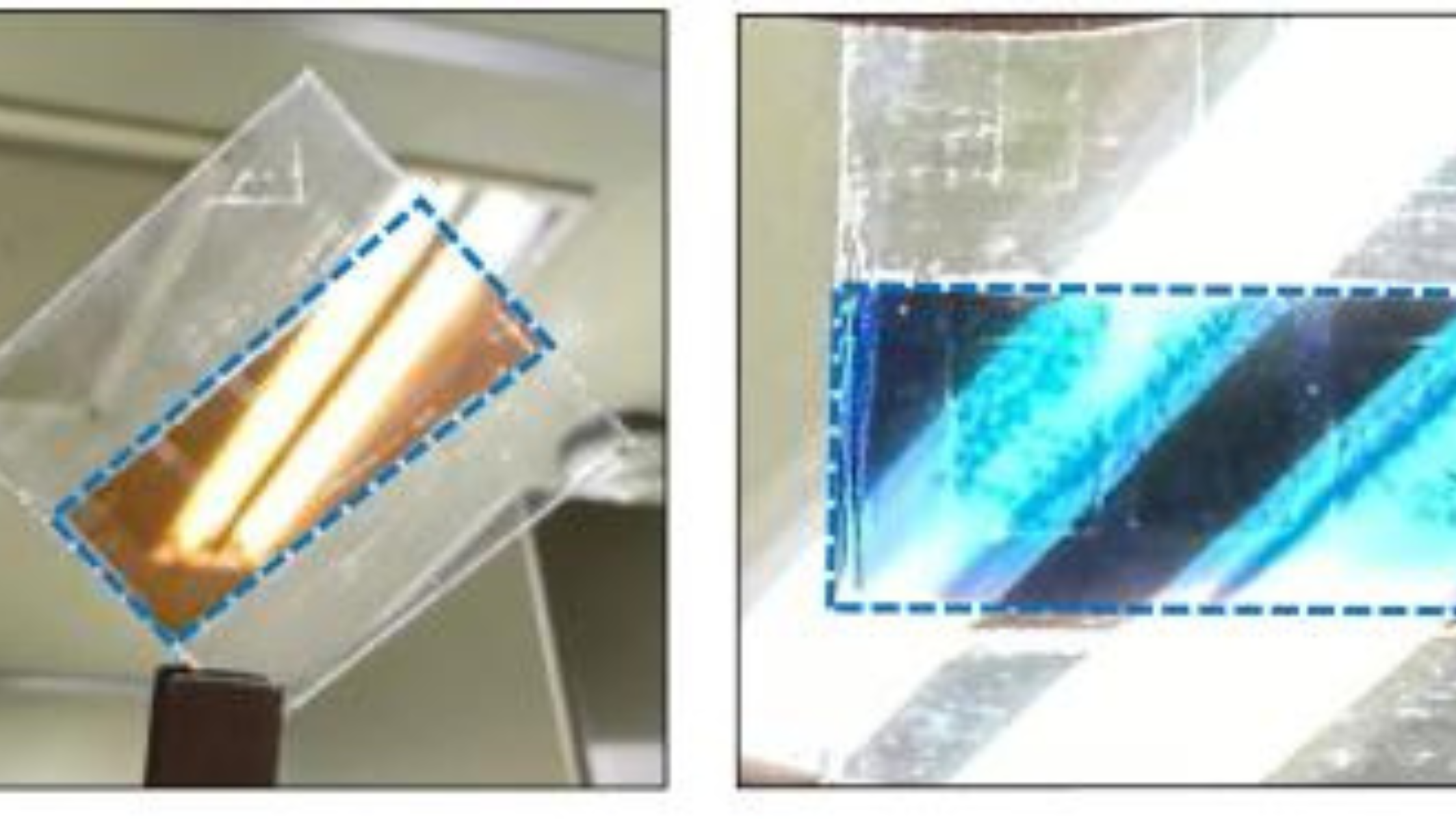
    Photographs of semitransparent PVSK PVs. Left: uncoated Right: ZnS/MgF2-coated. Image from: Opto-Electronic Advances Researchers from Kyung Hee University and Hyundai Motor Group have developed an AI-driven inverse design strategy enabling…

    Have You Seen?

    Japan studies bio-based CO2 liquefaction from waste incineration

    • March 4, 2026
    Japan studies bio-based CO2 liquefaction from waste incineration

    Solar chemistry moves NASA closer to lunar oxygen production

    • March 4, 2026
    Solar chemistry moves NASA closer to lunar oxygen production

    Helium supply confidence rocked by Gulf conflict

    • March 4, 2026
    Helium supply confidence rocked by Gulf conflict

    Oil Prices up 1% as Iran Crisis Disrupts Middle East Supply

    • March 4, 2026
    Oil Prices up 1% as Iran Crisis Disrupts Middle East Supply

    JP Morgan Warns of Catastrophic Oil Supply Loss from Middle East War

    • March 4, 2026
    JP Morgan Warns of Catastrophic Oil Supply Loss from Middle East War

    Oil, Fuel Contracts Break Records on Surging Prices

    • March 4, 2026
    Oil, Fuel Contracts Break Records on Surging Prices

    Analyst Outlines 2 Potential Scenarios for Conflict

    • March 4, 2026
    Analyst Outlines 2 Potential Scenarios for Conflict

    Saatvik Solar Displays Comprehensive Solutions at The smarter E India

    • March 4, 2026
    Saatvik Solar Displays Comprehensive Solutions at The smarter E India

    AI-Driven Inverse Design Enables Full-Color, High-Efficiency Semitransparent Perovskite Solar Cells

    • March 4, 2026
    AI-Driven Inverse Design Enables Full-Color, High-Efficiency Semitransparent Perovskite Solar Cells

    Shipping and trade lawyers’ workloads rise as Gulf crisis disputes soar

    • March 4, 2026
    Shipping and trade lawyers’ workloads rise as Gulf crisis disputes soar