MNRE Clarifies NOC Exemption For Non-Renewable Power Sale From ESS In FDRE Projects

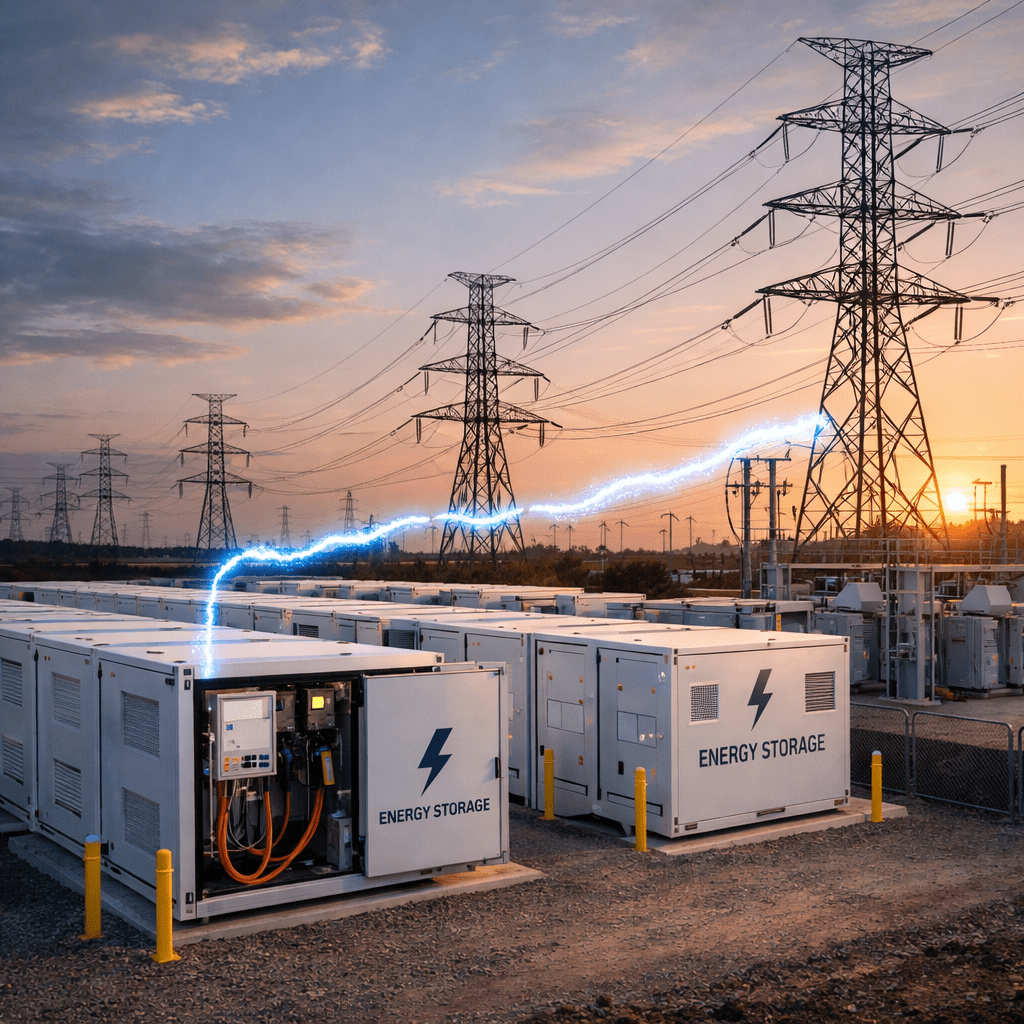
Energy storage units connected to power grid towers at sunset

The Ministry of New and Renewable Energy (MNRE) has issued an important clarification to address a key challenge faced by developers of Firm and Dispatchable Renewable Energy (FDRE) projects. The clarification focuses on the requirement of a No-Objection Certificate (NOC) when selling power from energy storage systems (ESS) before the main renewable energy components become operational.

Under the existing FDRE guidelines, renewable power is defined strictly as electricity generated from sources such as solar, wind, or other renewable resources, either alone or combined with storage. The ministry has reiterated that electricity discharged from a storage system charged using non-renewable sources cannot be classified as renewable energy. This distinction is significant because many FDRE projects are built in phases, with components like solar plants, wind farms, and Battery Energy Storage Systems (BESS) being commissioned at different times.

In several cases, developers complete the installation of a BESS before the associated solar or wind project is ready. During this period, the only available option to operate the storage system is to charge it using electricity from the grid, which may not be renewable. As a result, the power discharged from the BESS is treated as non-renewable and cannot be supplied under the terms of a renewable Power Purchase Agreement (PPA).

This situation had created confusion in the industry. Some agencies had insisted that developers obtain a No-Objection Certificate from intermediary or end procurers before selling such power in the open market or to third parties. This requirement was linked to the “Right of First Refusal” clause in the FDRE bidding guidelines. However, MNRE has clarified that this clause applies only to renewable power generated from commissioned renewable energy assets like solar or wind plants.

The ministry emphasized that obligating procurers to accept non-renewable power from a BESS would not align with the intent of renewable energy contracts and could face regulatory challenges. Therefore, it has now been clearly stated that developers do not need to obtain an NOC when selling electricity from an ESS that has been charged using non-renewable sources, as long as the corresponding renewable project has not yet been commissioned.

This clarification has been approved at the highest level within the ministry and shared with key implementing agencies such as the Solar Energy Corporation of India and NTPC Limited. The decision is expected to remove procedural hurdles and provide greater flexibility to project developers.

By allowing developers to commercially utilize their storage assets without unnecessary administrative approvals, the move is likely to improve project viability and cash flow during the early stages. It also ensures better alignment between policy intent and on-ground implementation, helping to streamline the development of complex renewable energy projects in India.


Subscribe to get the latest posts sent to your email.
 

  • Related Posts

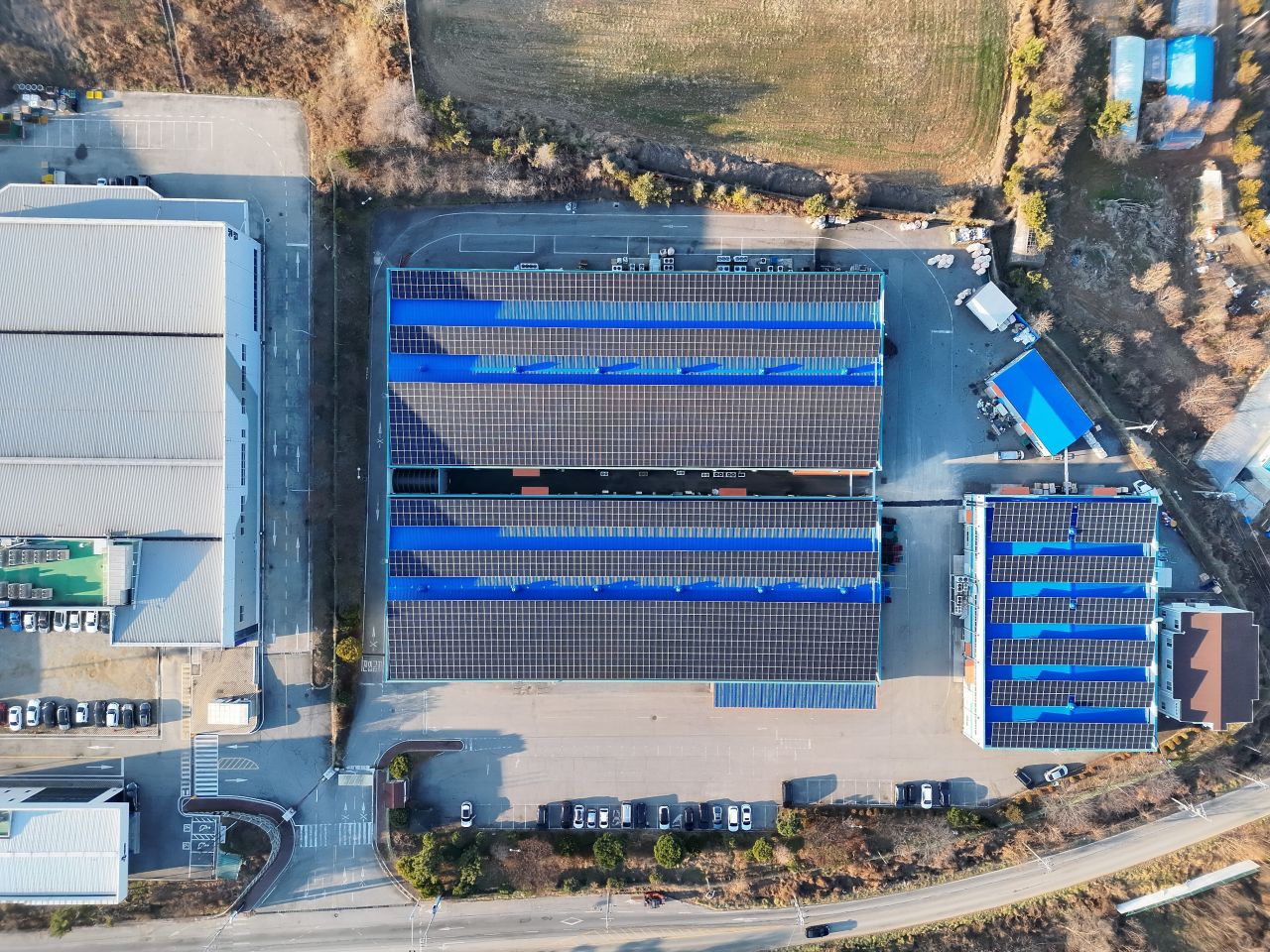
    Peak Energy Korea Starts Power Supply From 1.19 MW Youngjin SP Rooftop Solar Plant After Successful Completion

    Peak Energy Korea has announced that the Youngjin SP rooftop solar power plant has officially reached its commercial operation date (COD). This confirms that the facility is now fully generating…

    Electrification Key to India’s Energy Security, Says Incoming ELECRAMA 2027 Chairman

    Electrification is set to play a central role in strengthening India’s energy security framework, particularly amid rising global uncertainties, according to Hartek Singh, who has assumed leadership as Chairman for…

    Have You Seen?

    Peak Energy Korea Starts Power Supply From 1.19 MW Youngjin SP Rooftop Solar Plant After Successful Completion

    • April 13, 2026
    Peak Energy Korea Starts Power Supply From 1.19 MW Youngjin SP Rooftop Solar Plant After Successful Completion

    Electrification Key to India’s Energy Security, Says Incoming ELECRAMA 2027 Chairman

    • April 13, 2026
    Electrification Key to India’s Energy Security, Says Incoming ELECRAMA 2027 Chairman

    APTEL Orders Interest on Refund in Solar Delay Case, Limits Scope of Review Petition

    • April 13, 2026
    APTEL Orders Interest on Refund in Solar Delay Case, Limits Scope of Review Petition

    AdventEnergy Aggregates 746 kW For Two Frabelle Cold Storage Facilities In Navotas Under ERC’s Retail Aggregation Program To Deliver Lower-Priced Power

    • April 13, 2026
    AdventEnergy Aggregates 746 kW For Two Frabelle Cold Storage Facilities In Navotas Under ERC’s Retail Aggregation Program To Deliver Lower-Priced Power

    Telangana Electricity Regulatory Commission Tariff Order FY27 Balancing DISCOM Finances, Consumer Tariffs, And Power Supply Stability

    • April 13, 2026
    Telangana Electricity Regulatory Commission Tariff Order FY27 Balancing DISCOM Finances, Consumer Tariffs, And Power Supply Stability

    NISO Reduces Transmission Losses to 7.05%, Advances Grid Stability Reforms

    • April 13, 2026
    NISO Reduces Transmission Losses to 7.05%, Advances Grid Stability Reforms

    EVN, Quang Tri Authorities Review Progress of Power and Grid Projects in Hanoi

    • April 13, 2026
    EVN, Quang Tri Authorities Review Progress of Power and Grid Projects in Hanoi

    HPERC Finalizes 2026 Conduct Of Business Amendment, Retains Revised Filing Fee Structure Despite Stakeholder Objections In Himachal Pradesh

    • April 13, 2026
    HPERC Finalizes 2026 Conduct Of Business Amendment, Retains Revised Filing Fee Structure Despite Stakeholder Objections In Himachal Pradesh

    OERC Draft 2026 Introduces Renewable Consumption Obligation And Boosts Distributed Solar Adoption In Odisha

    • April 13, 2026
    OERC Draft 2026 Introduces Renewable Consumption Obligation And Boosts Distributed Solar Adoption In Odisha

    PM Narendra Modi Highlights Record Solar Capacity Addition in India

    • April 13, 2026
    PM Narendra Modi Highlights Record Solar Capacity Addition in India